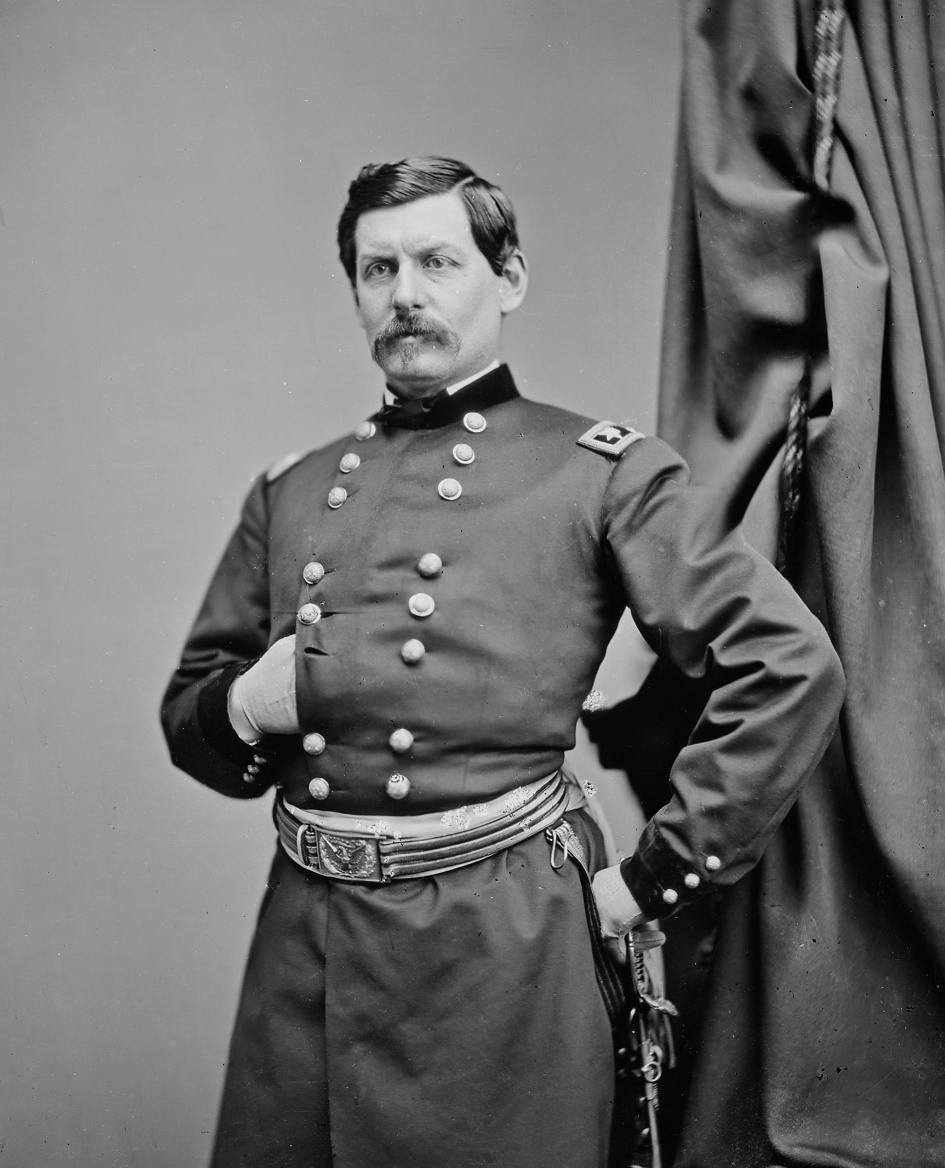
George B. McClellan remains one of the most talented, controversial, and frustrating figures of the American Civil War. Gifted with remarkable organizational ability but often paralyzed by caution, he embodied the tension between military brilliance and ineffective leadership. Few Union generals inspired greater devotion from their soldiers while simultaneously provoking greater exasperation from President Abraham Lincoln.
Born in Philadelphia in 1826, McClellan entered the United States Military Academy at West Point at the remarkably young age of fifteen and graduated near the top of his class in 1846. He served with distinction during the Mexican-American War, where he came into contact with rising officers such as Robert E. Lee and Ulysses S. Grant. Intelligent, ambitious, and highly confident, McClellan gained a reputation as an exceptional engineer and military planner before leaving the army to become a successful railroad executive.
When the Civil War erupted in 1861, McClellan’s early victories in western Virginia made him an instant Northern hero. Following the disastrous Union defeat at the First Battle of Bull Run, Lincoln summoned the young general to Washington to rebuild the shattered Union Army. McClellan responded magnificently. He transformed a defeated collection of volunteers into the disciplined and formidable Army of the Potomac, drilling the men relentlessly and creating an efficient logistical system. His soldiers adored him, affectionately calling him “Little Mac.” Even critics acknowledged that no one organized an army better.
Yet McClellan’s greatest strength was also his greatest weakness. He consistently overestimated Confederate strength, convinced himself he was hopelessly outnumbered, and repeatedly delayed offensive action while demanding more troops. His excessive caution squandered opportunities to strike decisive blows against Confederate forces. Lincoln, desperate for action, grew increasingly frustrated by McClellan’s unwillingness to fight.

The relationship between the two men deteriorated into mutual distrust. McClellan privately viewed Lincoln as intellectually inferior and referred to him in letters as “the original gorilla.” He considered many civilian leaders incompetent meddlers who failed to appreciate military realities. His arrogance occasionally crossed into outright insubordination. On one famous occasion in November 1861, Lincoln visited McClellan’s home seeking a conference. After waiting downstairs, the president was informed that McClellan had gone upstairs and gone to bed without seeing him. Lincoln swallowed the insult, remarking that preserving the Union mattered more than personal slights.
The Peninsula Campaign of 1862 ultimately exposed McClellan’s shortcomings as a battlefield commander. Despite commanding one of the largest armies ever assembled in North America, he advanced slowly toward Richmond, allowing Confederate General Robert E. Lee to seize the initiative during the Seven Days Battles. Later that year, McClellan halted Lee’s first invasion of the North at the Battle of Antietam, achieving an important strategic victory. However, his refusal to aggressively pursue Lee’s retreating army convinced Lincoln that he lacked the determination needed to win the war. In November 1862, Lincoln relieved him of command.
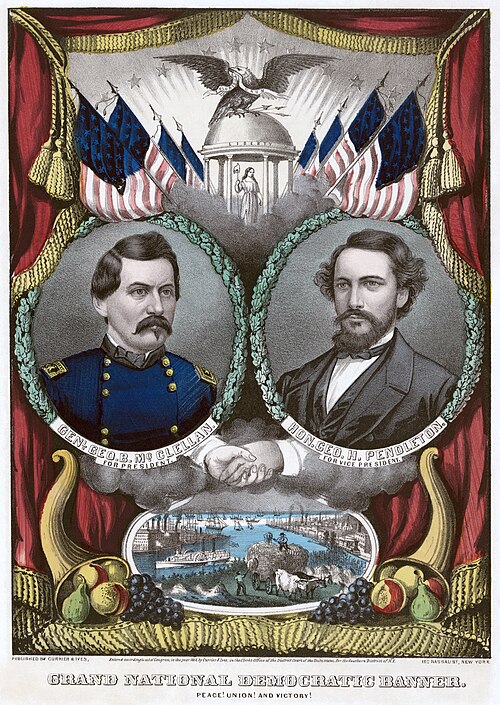
McClellan did not disappear from public life. In 1864 he became the Democratic nominee for president, campaigning against Lincoln while advocating a negotiated peace, although he personally favored preserving the Union. Lincoln defeated him decisively after Union military victories changed public sentiment.
Following the war, McClellan traveled in Europe before returning to the United States. He served as governor of New Jersey from 1878 to 1881, where he earned respect as a capable administrator. He also wrote memoirs defending his conduct during the war and remained convinced that history had judged him too harshly. George B. McClellan died in 1885 at the age of fifty-eight.