
Understanding the role of nations in international relations is essential to grasp how the global system functions. This episode explores the historical development of nations and nation-states, tracing their emergence from tribal and feudal societies to modern sovereign entities. Before the Peace of Westphalia in 1648, political authority was fragmented, and loyalty was personal. Westphalia introduced the principle of sovereignty, laying the foundation for the international system.
The rise of nationalism in the 18th and 19th centuries transformed empires and city-states into nation-states. Events like the French Revolution and the Industrial Revolution fueled this shift, promoting the idea that the people—not monarchs—should define the state. New nations like Greece, Italy, and Germany emerged, reshaping the global map.
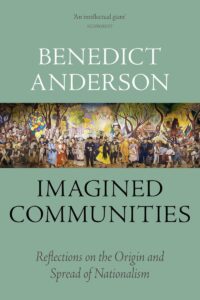
Benedict Anderson’s concept of “imagined communities” highlights that nations are socially constructed. Shared language, media, and rituals create a sense of belonging among people who may never meet. This belief-based identity explains why individuals sacrifice for their nation—it’s a collective faith in an invisible reality.
In international relations, nation-states are the primary actors. Realists view them as power-seeking entities, while constructivists emphasize identity and belief. However, globalization and technology challenge traditional national boundaries, empowering individuals and non-state actors to influence global affairs.
The episode also contrasts earthly nations with the Kingdom of God, which is defined not by borders or ethnicity but by faith and spiritual identity. This theological perspective reframes the role of nations in international relations by highlighting the tension between worldly power and divine purpose.
Ultimately, nations shape diplomacy, conflict, and cooperation. Their role in international relations is both foundational and evolving, driven by belief, identity, and the pursuit of collective meaning.
Here is a link to the book by Benedict Anderson Imagined Communities that we discussed in this session.