The development of atomic and hydrogen bombs represented one of humanity’s greatest scientific achievements. But behind the spectacular mushroom clouds and increasingly powerful weapons was a human tragedy that remained largely hidden from the American public for decades.
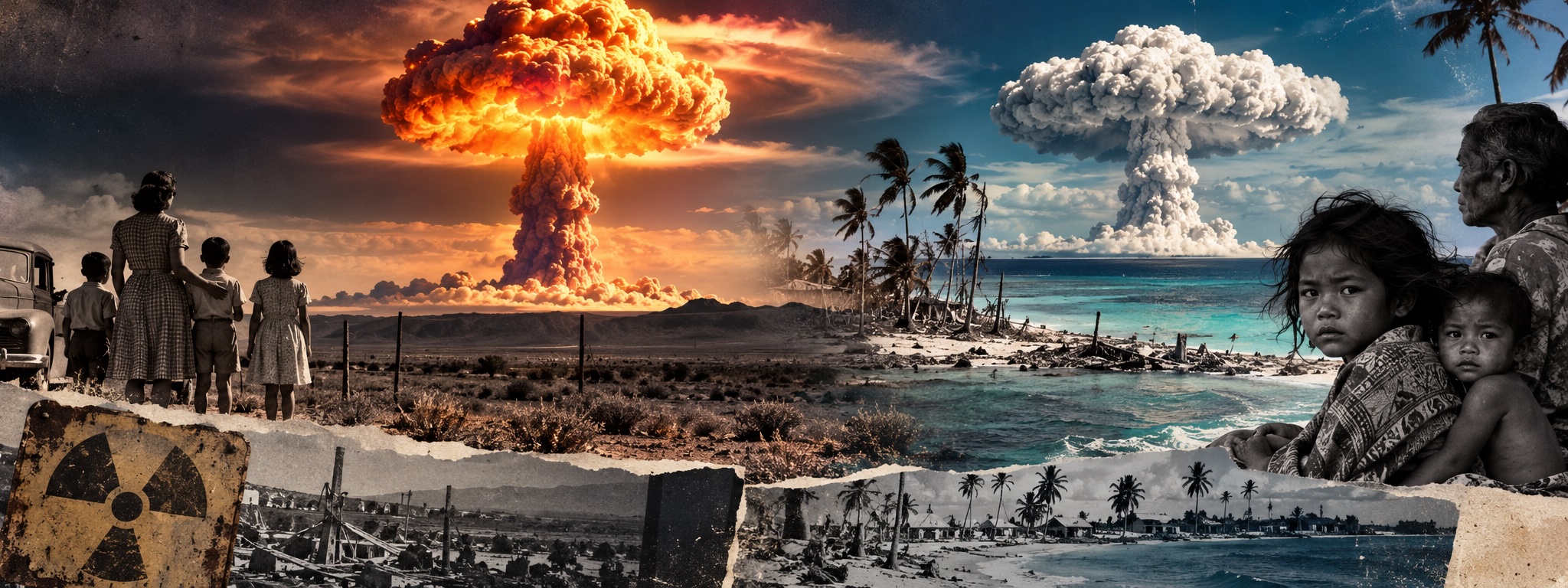
Between 1945 and 1962, the United States conducted more than 200 atmospheric nuclear tests in the deserts of the American Southwest and the islands of the Pacific. Although these locations were selected partly because of their isolation, they were not uninhabited. Thousands of ordinary people lived nearby, often unaware that their governments were exposing them to potentially deadly radiation.
Many would spend the rest of their lives suffering the consequences.
The American Desert: The Downwinders
The tragedy began on July 16, 1945, when American scientists detonated the world’s first atomic bomb at the Trinity test site in New Mexico.
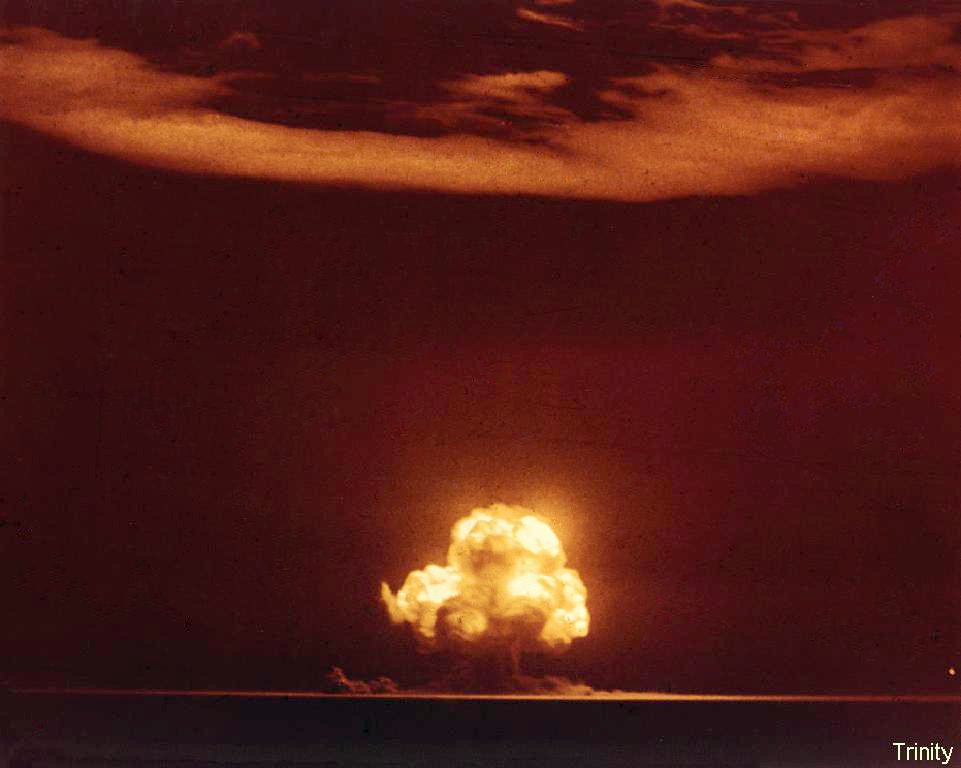
Military officials maintained extraordinary secrecy. Residents were neither warned about the explosion nor informed about the dangers of radioactive fallout.
In nearby communities, radioactive particles settled on homes, farmland, livestock, and drinking water. Families unknowingly consumed contaminated vegetables and milk. Children were particularly vulnerable because radioactive iodine accumulates in the thyroid gland.
Over subsequent decades, residents reported cancers, thyroid disorders, and other serious illnesses. Some families experienced multiple cancer diagnoses across generations.
These people became known as Downwinders.
The government had taken elaborate precautions to protect scientists conducting the experiment but had not systematically monitored the radiation exposure of surrounding civilians. National Park Service
The problem expanded dramatically when the United States began atmospheric nuclear testing in Nevada in 1951.
More than 100 aboveground tests occurred there through 1962. Radioactive fallout traveled across Nevada, Utah, Arizona, Idaho, and other states, sometimes reaching thousands of miles from the explosions.
The National Cancer Institute subsequently established that fallout exposure contributed to increased risks of thyroid cancer, leukemia, and certain other cancers. However, determining precisely how many individual deaths resulted remains difficult. Radiation Calculators
The Pacific Islands: Paradise Contaminated
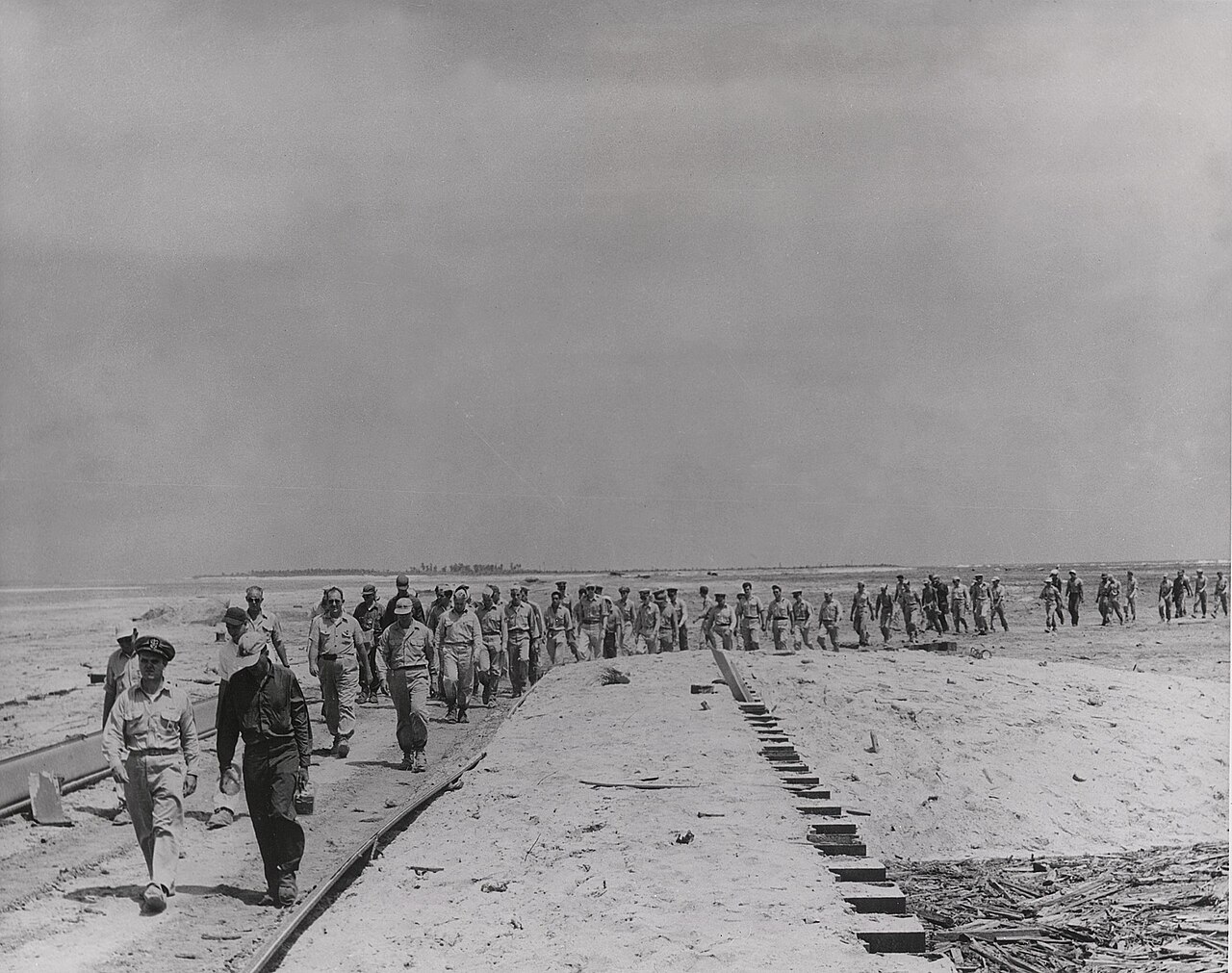
An even more devastating story unfolded in the Marshall Islands, a Pacific archipelago administered by the United States following World War II.
Between 1946 and 1958, the United States conducted 67 nuclear tests there.
Entire communities were displaced to accommodate the experiments. In 1946, approximately 167 residents of Bikini Atoll were relocated after American officials requested their homeland for nuclear testing.
Many believed their displacement would be temporary. Instead, their ancestral homeland became dangerously contaminated.
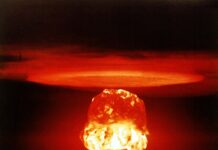
The catastrophe intensified on March 1, 1954, when the United States detonated Castle Bravo, a hydrogen bomb approximately 1,000 times more powerful than Hiroshima.
The explosion produced far more radioactive fallout than scientists anticipated.
On Rongelap Atoll, radioactive debris descended from the sky like white powder. Children played in it, unaware of its danger. Residents experienced nausea, vomiting, skin injuries, and hair loss.
American authorities did not evacuate the exposed islanders immediately. Some remained in contaminated environments for more than two days.
The long-term consequences included thyroid abnormalities, cancers, and profound psychological distress.
American scientists subsequently monitored exposed Marshallese populations for decades. Although medical care was provided, the research also generated controversy over whether these vulnerable communities were being treated primarily as patients or as subjects for studying radiation’s effects.
For many islanders, the damage extended beyond physical illness. Their homes, ancestral burial grounds, traditional food sources, and entire ways of life had been disrupted. EHSS
What Did America Do for the Victims?
For decades, the American government’s response was inconsistent and frequently inadequate.
Officials initially minimized or concealed information about radiation exposure. Victims struggled to demonstrate that illnesses developing years later were connected to government testing.
Eventually, public pressure and scientific evidence forced changes.
In 1990, Congress passed the Radiation Exposure Compensation Act (RECA), providing financial compensation to qualifying Downwinders, uranium workers, and nuclear test participants.
However, the original legislation excluded many affected communities, including Trinity Downwinders in New Mexico.
Only in July 2025 did Congress expand eligibility to include New Mexico and additional affected areas. Qualifying Downwinders can now receive $100,000, with claims permitted through December 2028.
By December 2025, the federal government had approved more than $2.7 billion in compensation under the original program, although payments could never reverse the suffering. Department of Justice
In the Marshall Islands, the United States established medical monitoring programs, funded environmental rehabilitation, and created a $150 million nuclear claims fund through a 1986 agreement.
Nevertheless, many compensation awards exceeded available funding. Marshallese representatives have continued arguing that the assistance falls far short of the damage inflicted upon their people. U.S. Department of the Interior