
What Happened
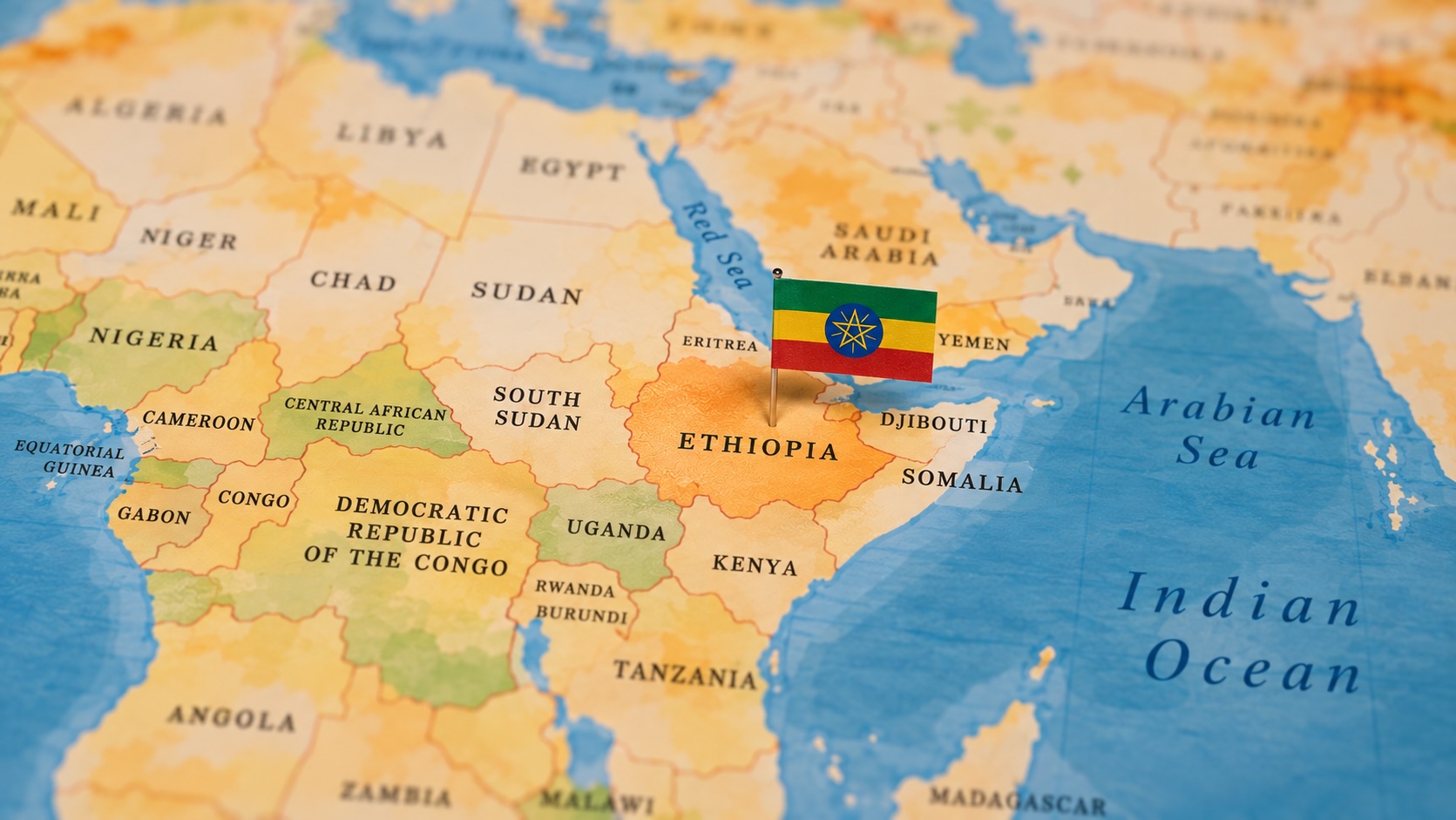
An outbreak of violence in southern Ethiopia has forced approximately 36,000 people to flee into neighboring Kenya, creating a rapidly expanding cross-border humanitarian emergency. The United Nations confirmed the displacement figure on Tuesday, October 27, as fighting continued near Moyale, a town divided by the international border. The conflict involves communities associated with Ethiopia’s Oromia and Somali regional administrations, whose longstanding territorial disagreements escalated into armed confrontations on October 21. The killing of a 13-year-old girl reportedly aggravated tensions. Heavy gunfire and fighting involving regional security forces drove thousands of families from their homes. Reuters confirmed at least nine deaths by October 23, although the current casualty toll remains uncertain. The Kenya Red Cross has established emergency shelters and begun distributing food, water and medical supplies. Most displaced people are women and children, and many have arrived with few possessions. The United Nations refugee agency, UNHCR, is coordinating with Kenyan authorities and humanitarian organizations. The fighting remains concentrated on the Ethiopian side of the border; there is no confirmed wider military confrontation between Ethiopia and Kenya. ABC News Associated Press — October 27 displacement figures and humanitarian response | Reuters — Fighting and confirmed casualties in Moyale
How This Affects Ordinary People
Tens of thousands of families have been uprooted in a matter of days, placing extraordinary pressure on Kenyan communities already struggling with food insecurity, water shortages and limited public services. The displaced population is sheltering in temporary camps, schools, religious facilities and private homes around Moyale in Kenya’s Marsabit County. Local residents have opened their homes to fleeing families, but humanitarian organizations warn that existing resources cannot sustain the rapidly growing population without additional assistance. Food, clean drinking water, sanitation facilities, medical care and shelter are the most urgent needs. Women, children, older people and individuals with disabilities face particular vulnerabilities. The Kenya National Commission on Human Rights has warned that inadequate sanitation and exposure to the elements could create additional health emergencies. Meanwhile, the fighting has disrupted commercial activity around Moyale, an important crossing for trade between Ethiopia and Kenya. Traders, transport workers and small businesses face interrupted livelihoods, while families separated by the violence struggle to communicate. Kenyan authorities have also reported stray bullets crossing the border, demonstrating that the danger is not entirely confined to Ethiopia. The Kenya Red Cross is distributing emergency supplies, but the scale of displacement is growing faster than the initial relief operation was designed to accommodate. ABC News Associated Press — Conditions facing displaced families and host communities | Anadolu Agency — Kenya Red Cross emergency assistance and humanitarian needs
Why This Matters
The crisis is significant because it demonstrates how Ethiopia’s multiple internal conflicts are increasingly creating humanitarian and security consequences beyond its borders, adding another source of instability to the already fragile Horn of Africa. Ethiopia is simultaneously confronting renewed conflict in its northern Tigray region and armed violence elsewhere in the country. The Moyale fighting is a separate conflict involving territorial disagreements between Oromo and Somali communities, rather than a direct extension of the northern war. Nevertheless, these overlapping crises place additional pressure on Ethiopia’s government and its capacity to maintain internal security. Kenya, meanwhile, is already one of Africa’s largest refugee-hosting countries, accommodating people displaced by conflicts in Somalia, South Sudan, Ethiopia and other neighboring countries. A sudden influx of tens of thousands of additional people places new demands on local governments, humanitarian agencies and communities with limited resources. There are also regional economic implications. Moyale is an important commercial gateway connecting the two countries, and prolonged instability could disrupt transportation, agricultural commerce and cross-border employment. The immediate international significance is humanitarian rather than a measurable shock to the global economy. The larger concern is that localized violence in an already unstable region can rapidly produce international displacement, strain neighboring governments and create additional opportunities for conflict to spread. ABC News Associated Press — Cross-border security and humanitarian concerns | UNHCR — Kenya’s existing refugee responsibilities
What Changed
The decisive new development is the extraordinary acceleration of displacement, with the number of Ethiopians seeking refuge in Kenya rising from approximately 14,000 on October 24 to 36,000 on October 27. That represents an increase of roughly 22,000 people in three days, more than doubling the scale of the emergency. When Reuters first reported the fighting on October 22, only hundreds of displaced people had been identified. By October 23, Kenyan authorities reported approximately 2,500 arrivals. The October 24 estimate exceeded 14,000. Tuesday’s United Nations assessment establishes that the violence has now produced a substantially larger international humanitarian crisis. This development is distinct from earlier Global Story Watch reporting about the renewed conflict in northern Ethiopia, including the confrontation involving Tigray and Eritrea. What has materially changed is the emergence of a separate displacement emergency along Ethiopia’s southern border, with tens of thousands of civilians crossing into Kenya within days. The immediate priorities are preventing further violence, expanding humanitarian assistance and protecting the communities receiving displaced families. The most consequential developments to watch are whether fighting spreads, whether additional refugees cross the border and whether humanitarian agencies can secure sufficient resources to prevent worsening conditions. Internazionale Reuters — October 22 initial displacement report | Anadolu Agency — October 24 estimate of 14,000 displaced | Associated Press — October 27 UN confirmation of 36,000 displaced