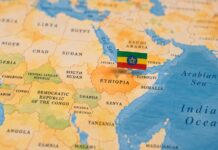
What Happened. The Democratic Republic of Congo’s Ebola outbreak has crossed a grim new threshold: 6,041 confirmed infections and 2,911 deaths, according to government figures released August 31. It is now the largest Ebola outbreak in Congo’s history and is spreading across six provinces, with Ituri, North Kivu and Haut-Uélé among the hardest hit. The outbreak is caused by the Bundibugyo strain, for which there is no approved vaccine or treatment. (Reuters)
How This Affects Ordinary People. Nearly half of all confirmed patients have died. Communities already strained by war, displacement and weak health systems are now facing an epidemic that is spreading faster than previous Ebola outbreaks. Children are particularly vulnerable, health workers have been infected, and insecurity is disrupting contact tracing, treatment and safe burial practices. Neighboring countries remain on alert because cross-border cases have already occurred. (World Health Organization)
Why This Matters. This outbreak is no longer a localized public-health emergency. The World Health Organization says transmission remains intense and difficult to control, with many chains of infection still unidentified. WHO assesses the risk inside Congo as very high and the risk to neighboring countries as high. The combination of a highly lethal virus, armed conflict, mass displacement and the absence of a licensed vaccine for this strain creates the conditions for the crisis to worsen substantially. (World Health Organization)
What Changed. Just three days ago, Congo had reported 5,794 confirmed cases and 2,786 deaths. The new figures mean roughly 247 additional confirmed infections and 125 additional deaths have been recorded in only a few days. Crossing 6,000 cases confirms that the epidemic is continuing to accelerate rather than stabilize, making this a materially larger humanitarian emergency. (World Health Organization)
Strongest Sources: Reuters’ August 31, 2026 reporting based on Congo’s government figures, the World Health Organization’s August 28 outbreak assessment, and Associated Press reporting from the affected region. (Reuters)