
What Happened.
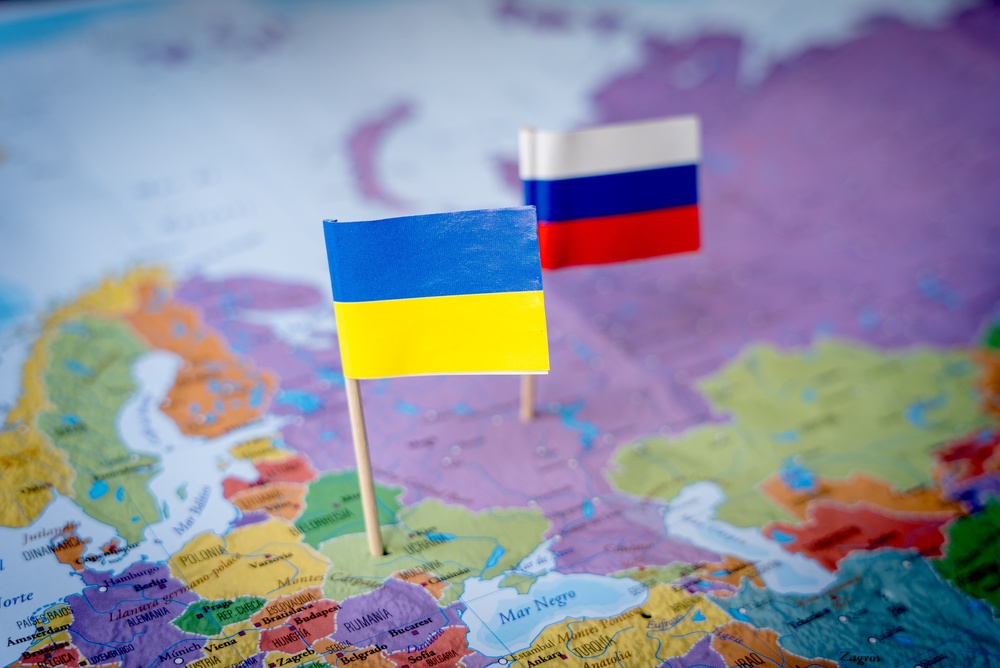
U.S. President Donald Trump has suspended a sweeping new sanctions package against Russia, reversing legislation he signed just four weeks ago and delivering a significant diplomatic victory to Moscow. On Friday, October 16, Trump signed an executive order waiving sanctions against Russian officials, financial institutions and energy operations, along with tariffs targeting countries purchasing Russian oil and gas. The legislation had passed Congress with overwhelming bipartisan support and was scheduled to take effect October 18. Trump justified the suspension as serving American national interests but offered little public explanation. The decision follows his recent agreement to purchase Russian diesel and growing tensions with Ukrainian President Volodymyr Zelenskyy. Existing sanctions imposed under other authorities remain in place. Russian presidential envoy Kirill Dmitriev welcomed the decision as a historic development in American-Russian relations. White House — October 16 executive orderAssociated Press — Trump suspends Russia sanctions Al Jazeera — Russia welcomes American policy shift
How This Affects Ordinary People.
For millions of Ukrainians, the immediate concern is that weakening American pressure on Moscow could prolong a war already devastating civilian communities, particularly as winter approaches. On Saturday, October 17, Zelenskyy reported another massive Russian assault against Ukraine’s electrical infrastructure, involving attacks on more than 15 locations. Ukrainian military officials reported that Russia launched 332 drones and four cruise missiles overnight, with most intercepted or otherwise neutralized. Repeated attacks on power infrastructure threaten heating, electricity and water supplies during the approaching winter. Meanwhile, Ukrainian officials have raised concerns about disruptions to American-provided satellite communications and possible restrictions on intelligence sharing, both important to defending against Russian attacks. The sanctions suspension does not directly cause these attacks, but it removes a planned source of additional pressure on Moscow at a particularly vulnerable moment for Ukrainian civilians. The latest overnight casualty figures remain unclear. Associated Press — October 17 Russian attacks and Ukraine’s response Reuters — American intelligence and satellite disruptions threaten Ukrainian defenses
Why This Matters.
The decision represents a potentially consequential shift in American foreign policy, raising questions about Washington’s commitment to pressuring Russia and the future of Western unity over Ukraine. Since Russia’s full-scale invasion in February 2022, American and European sanctions have been central instruments for limiting Moscow’s ability to finance its war. The newly suspended legislation was intended to expand that pressure by targeting Russian financial institutions, energy shipments and countries facilitating Russian exports. Instead, Washington is now pursuing additional commercial arrangements with Moscow while publicly criticizing Ukraine’s leadership. European governments remain committed to supporting Kyiv, but their ability to compensate for a sustained reduction in American military, intelligence and diplomatic support is uncertain. Reuters reports that the relationship between Trump and Zelenskyy has deteriorated significantly, although Ukrainian officials continue seeking negotiations with Washington. The larger geopolitical question is whether the United States is moving from pressuring Russia to end its invasion toward accommodating Moscow’s interests in pursuit of a negotiated settlement. That interpretation remains contested, and no comprehensive change in American military assistance has been announced. Reuters — Growing U.S.–Ukraine rift threatens Western support Associated Press — Congressional opposition and implications for Ukraine Financial Times — Washington’s changing approach to Russia
What Changed.
The decisive new development is Trump’s October 16 executive order formally waiving the sanctions Congress enacted on September 18, followed by Zelenskyy’s public appeal Saturday for international support to restore them. Until Friday, the new legislation represented a major forthcoming escalation of American pressure against Moscow. The White House has now suspended those additional measures before they could take effect, despite having previously supported their adoption. This moves the diplomatic confrontation beyond rhetoric and disputed commercial agreements into an enforceable policy decision with international consequences. Zelenskyy described the suspension as deeply unfortunate and urged supporters to press for the legislation’s implementation. The decision also follows reports that Ukrainian military satellite communications were disrupted by an action originating within the White House, although Trump denies ordering restrictions. The alert threshold has been crossed because Washington has formally reversed a major sanctions initiative against Russia while its relationship with Ukraine deteriorates, potentially altering the diplomatic balance surrounding Europe’s largest war. Whether the suspension becomes a lasting strategic realignment or a temporary negotiating measure remains uncertain. White House — Executive order confirms the sanctions waiver Associated Press — Zelenskyy’s October 17 response Reuters — Strategic implications of deteriorating U.S.–Ukraine relations