
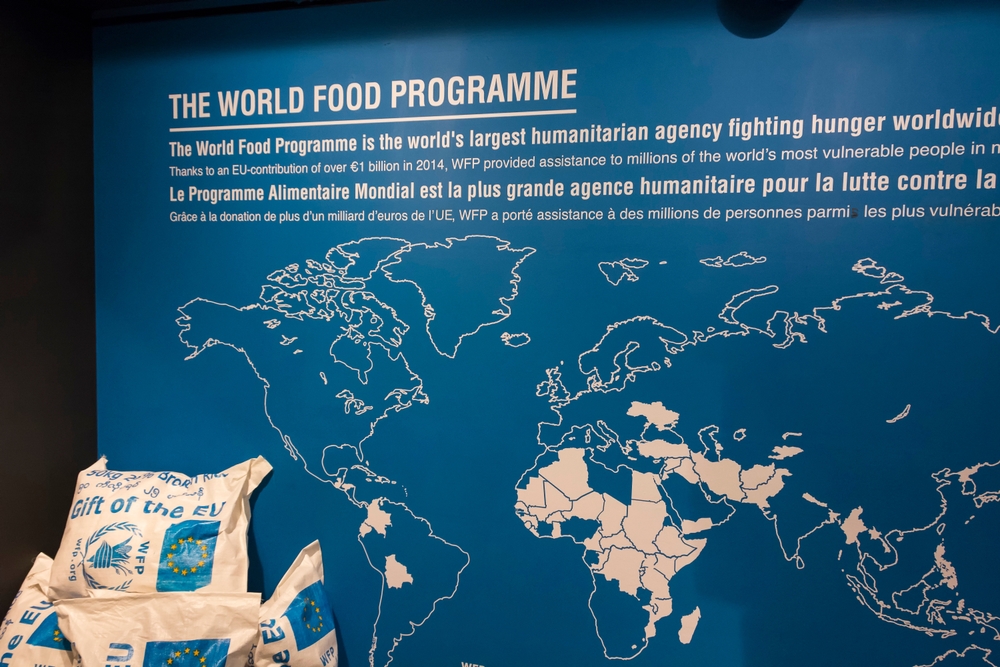
On November 23, World Food Programme Executive Director Luke Lindberg warned the United Nations Security Council that disruptions to international shipping and agricultural supply chains could put food assistance for an additional 7.3 million people at risk by mid-2027. Fighting and insecurity around the Strait of Hormuz, Bab el-Mandeb and the Black Sea have increased transportation costs and complicated the movement of food, fuel and fertilizer. The WFP projects that these pressures could add $727 million to its operating costs if current conditions persist. The agency emphasized that 266 million people already face acute hunger worldwide. The 7.3 million figure is a projection of people whose assistance could be jeopardized, not a confirmed count of people who have already lost aid. World Food Programme — November 23 | Reuters — November 23
How This Affects Ordinary People
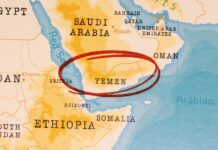
For families already struggling to obtain food, the consequences of rising transportation and agricultural costs are immediate and personal. Higher fuel prices make delivering humanitarian supplies more expensive, while disruptions to fertilizer shipments threaten farmers’ ability to produce adequate harvests. The Strait of Hormuz is particularly important because approximately 30% of global fertilizer supplies pass through it, according to the WFP. Vulnerable countries dependent on imported food, including Yemen, face especially serious exposure. The agency’s increased operating expenses mean that existing humanitarian budgets purchase and deliver less food, potentially forcing reductions in assistance unless additional funding becomes available. The consequences extend beyond aid recipients: higher production and shipping costs can eventually raise food prices for ordinary households in importing countries. World Food Programme | Reuters
Why This Matters
This warning illustrates how separate regional conflicts can combine into a global humanitarian and economic threat. The wars affecting the Middle East and Black Sea are disrupting different parts of the same interconnected food system: energy, fertilizer, grain exports, shipping and humanitarian distribution. The resulting pressures are particularly dangerous in countries already experiencing displacement, poverty and food insecurity, including Sudan, South Sudan and Somalia. Climate-related stresses, including El Niño, could compound the damage by reducing agricultural productivity just as farmers face higher input costs. The broader significance is that military conflicts can cause serious harm far beyond the countries directly involved, particularly when international trade routes become unreliable. A prolonged disruption could worsen food insecurity, encourage displacement and increase pressure on already fragile governments. World Food Programme | Reuters
What Changed
The new development is the WFP’s November 23 assessment quantifying how current shipping and commodity disruptions could affect its humanitarian operations: $727 million in additional costs and assistance for 7.3 million more people potentially endangered by mid-2027. Earlier reporting had documented rising food prices, disrupted trade routes and existing humanitarian emergencies. This assessment connects those pressures to a specific, measurable risk to international food assistance. It does not establish that the projected cuts are inevitable, and the WFP’s warning leaves room for improved shipping conditions, additional donor funding or other measures to reduce the impact. The principal developments to watch are whether maritime access improves, whether food and fertilizer costs stabilize, and whether humanitarian agencies receive sufficient resources to maintain their operations. World Food Programme — November 23 | Reuters — November 23