
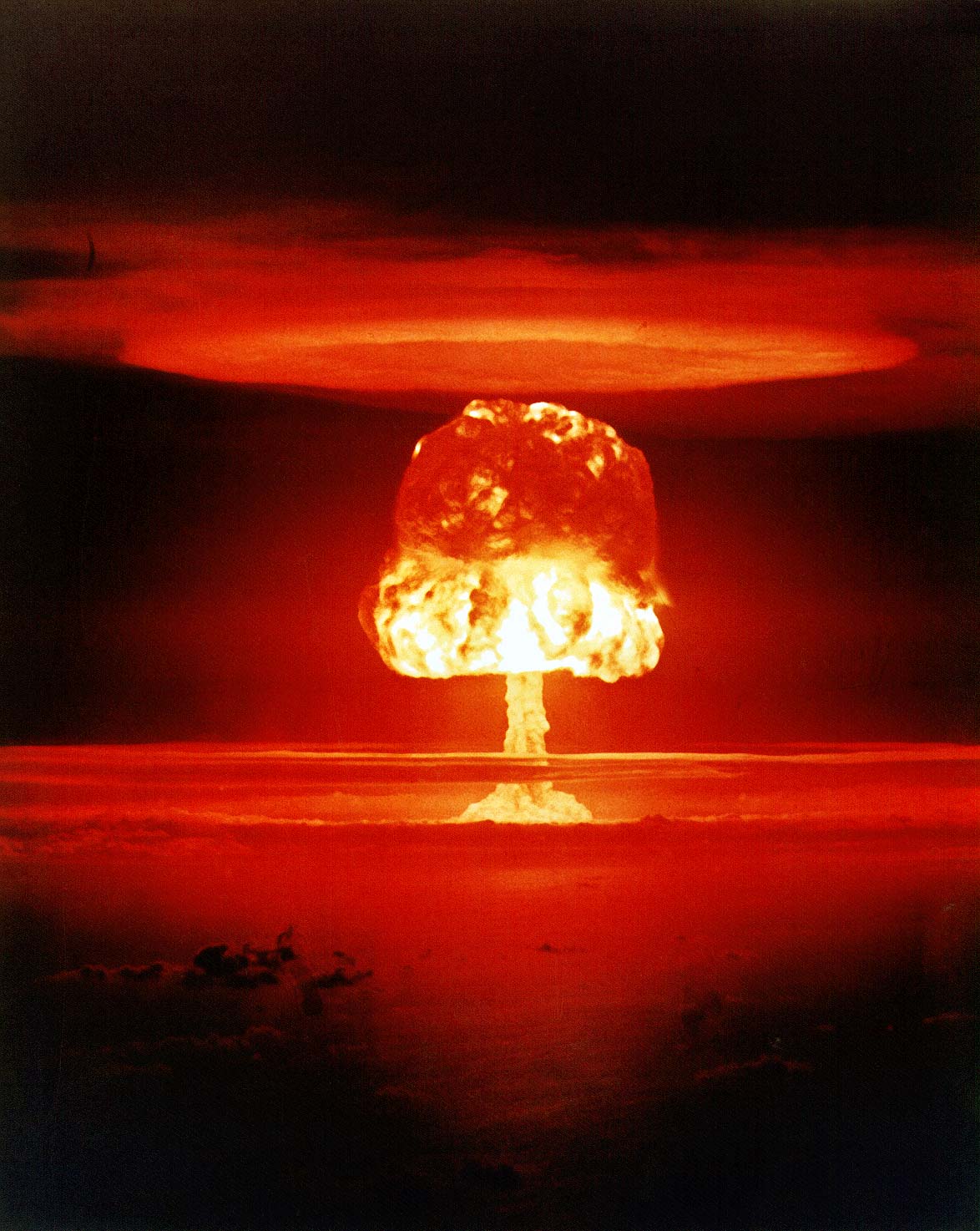
In the summer of 1945, humanity crossed a threshold from which there would be no return. After centuries of increasingly destructive warfare, scientists had unlocked a force unlike anything the world had ever known. The atomic bomb would not merely change how wars were fought. It would fundamentally transform the balance of global power, redefine the relationship between science and warfare, and raise profound questions about humanity’s capacity for destruction.
In this episode of The Empire: A 250-Year American Story, we explore the extraordinary events that led to the creation of the atomic bomb and the decisions that brought this terrifying new technology into the final days of World War II.
The story begins in the laboratories of Europe, where revolutionary scientific discoveries opened possibilities that few could have imagined. As the world descended into war, fears that Nazi Germany might harness these discoveries for military purposes launched an unprecedented American undertaking. What followed was one of the most ambitious and secretive scientific projects in human history.
But developing the bomb was only part of the story.
With Germany defeated and Japan facing inevitable military collapse, American leaders confronted decisions whose moral implications remain fiercely debated more than eight decades later. Was the use of atomic weapons necessary to end the war? Were there alternatives? And how much did America’s emerging rivalry with the Soviet Union influence the decisions being made?
Beyond the political and military calculations were ordinary human beings whose lives would be caught in the consequences.
This episode examines the intersection of scientific ambition, military necessity, political power, and human tragedy at one of history’s most consequential turning points.
It is a story about far more than a weapon. It is about the moment America acquired extraordinary destructive power—and the moral questions that accompanied it.