Understanding the role of power in international relations is essential to grasp how the global system operates. This episode explores how power—not money, ideology, or morality—is the true engine behind international behavior. From wars and treaties to trade agreements and global institutions, power is the currency that drives state actions.
Listen to the session and take the quiz here
Historically, thinkers like Machiavelli and Hobbes emphasized that power is not just strategic but existential. Hobbes, witnessing civil war, argued that without a strong authority, society descends into chaos. This idea laid the groundwork for realism in international relations, where survival and dominance outweigh virtue.
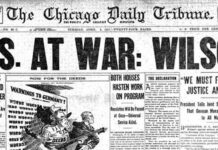
After World War II, the United States emerged as the global Leviathan, shaping a liberal international order through military strength, economic dominance, and cultural influence. Institutions like the IMF and UN, while appearing multilateral, were structured to preserve U.S. power. This illustrates the role of power in international relations as both overt and subtle.
Joseph Nye’s concept of “soft power” adds nuance, showing that influence can also come through attraction—via culture, values, and diplomacy. In today’s multipolar world, nations must blend hard and soft power into “smart power” to navigate complex global dynamics.
This episode also contrasts worldly power with the Kingdom of God, where trust in divine authority replaces the human thirst for control. The biblical narrative of the Fall reveals how the desire to “be like God” birthed humanity’s obsession with power.
Ultimately, the role of power in international relations reflects both the structure of the global system and the condition of the human heart. Recognizing this helps us interpret global events more clearly—and invites us to imagine a different kind of kingdom.