
In this episode of our podcast, we dive deep into the foundational theories of international relations—Realism, Idealism, and Constructivism—and explore how they shape global decision-making, diplomacy, and conflict.
Members Can Access the Episode Here
We begin by unpacking the historical roots of the international system, often traced to the Peace of Westphalia. However, scholars like Amitav Acharya challenge this Eurocentric narrative, pointing to pre-Westphalian traditions in the Global South. This sets the stage for understanding how power and perspective influence the way we study global politics.
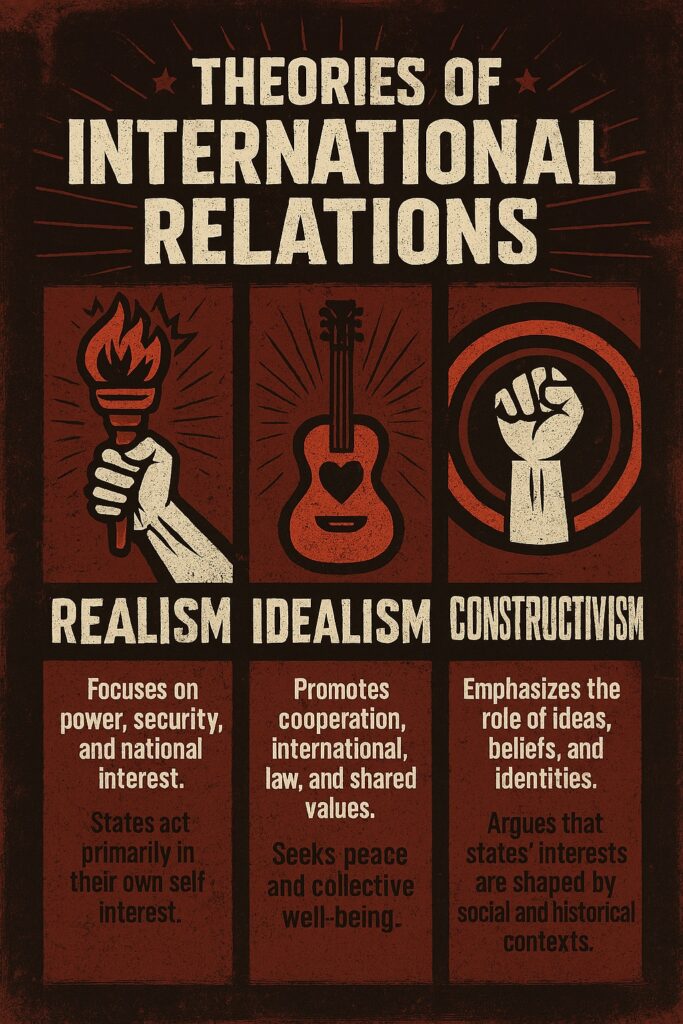
The episode then explores Realism, the dominant theory adopted by many Western policymakers, including Henry Kissinger. Realism views the world as anarchic and driven by self-interest, where states prioritize survival and power over moral values. We examine how this played out in the U.S.-backed coup in Chile, revealing the tension between democratic ideals and strategic interests.
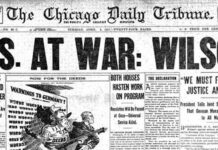
Next, we turn to Idealism, which emphasizes cooperation, ethical principles, and the potential for peace through institutions like the United Nations. Rooted in Enlightenment thinking and championed by Woodrow Wilson, Idealism offers a hopeful vision—but one often criticized as naïve in times of war.
Finally, we explore Constructivism, which argues that global politics is shaped by ideas, identities, and social norms. With insights from Alexander Wendt, we discuss how perceptions and relationships redefine threats, alliances, and values over time.
Whether you’re a student, educator, or global affairs enthusiast, this episode offers a clear, engaging breakdown of the main theories of international relations—and how they continue to influence the world today.
Tune in now to explore how Realism, Idealism, and Constructivism reveal the deeper logic behind global events.