What Happened.
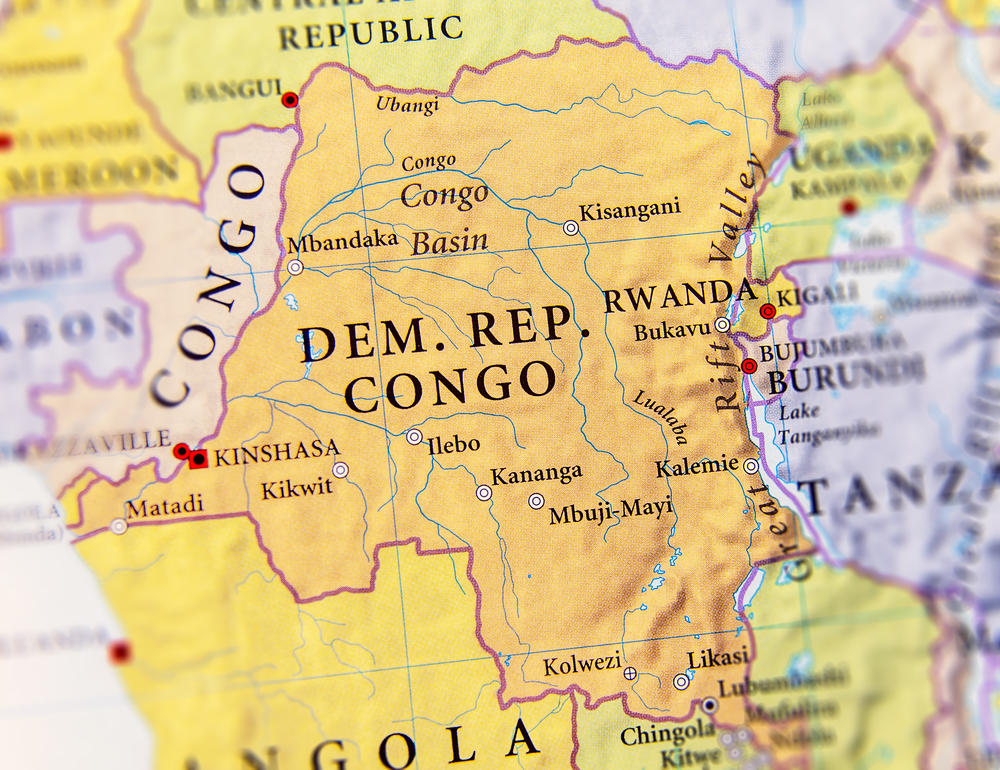
The Ebola outbreak in the Democratic Republic of the Congo has now killed 4,018 people among 8,300 confirmed cases, according to new government figures, making it the deadliest Ebola epidemic in the country’s history and the second-deadliest globally after the 2014–2016 West African epidemic. The outbreak, first declared in May, is caused by the Bundibugyo species of Ebola and has spread across seven provinces. Reuters reports that the epidemic continues to resist containment, while the Associated Press describes it as the fastest-growing Ebola outbreak recorded. ReutersReuters — Congo’s Ebola death toll surpasses 4,000 Associated Press — Congo struggles to contain record Ebola outbreak
How This Affects Ordinary People.
Nearly half of Congo’s confirmed patients have died, and the crisis is increasingly colliding with the country’s chronic insecurity and displacement. More than 50 health workers have died, according to AP, while frontline surveillance workers in Bunia have repeatedly protested delayed wages. Thousands of displaced people also fled an Ebola-affected camp in eastern Congo this week after soldiers entered the site, forcing authorities to try to trace people potentially exposed to the virus after they dispersed into surrounding communities. Community mistrust has become dangerous in its own right: a local politician in Butembo was beaten to death after publicly defending the Ebola response, and resistance to health teams is complicating efforts to identify infections, isolate patients and conduct safe burials. AP News Associated Press — Health workers struggle as Ebola deaths pass 4,000 Reuters — Thousands flee Ebola-affected displacement camp Al Jazeera — Congolese official killed after defending Ebola response
Why This Matters.
This is no longer a localized outbreak approaching containment. Africa CDC has warned that contact tracing is identifying only a fraction of expected exposures: roughly 30,000 potential contacts had been identified when epidemiological modeling suggested approximately 420,000, and more than 80 percent of new infections were occurring among people who were not already being monitored. That means significant community transmission remains undetected. The outbreak has also reached new health zones while conflict and population displacement make surveillance exceptionally difficult. Because Bundibugyo Ebola lacks the proven vaccine and targeted treatments available for the Zaire species responsible for several previous epidemics, health authorities have fewer established medical tools for stopping transmission and reducing mortality. Reuters Reuters — Africa CDC warns Ebola contact tracing is falling dangerously short World Health Organization — WHO assessment of Congo’s Bundibugyo Ebola outbreak
What Changed.
What changed is the convergence of a grim new scale milestone with evidence that the containment system itself is under increasing strain: deaths have now exceeded 4,000, confirmed infections have reached 8,300, health workers are dying and protesting unpaid wages, thousands of displaced people have suddenly scattered from an Ebola-affected camp, and Africa CDC says the overwhelming majority of new cases are appearing outside known contact lists. Four days ago Congo reported 8,067 infections and 3,901 deaths; the latest figures therefore represent another 233 confirmed cases and 117 deaths in only a few days. The combination of accelerating human loss, uncontrolled community transmission and disruption of frontline containment makes this a materially worsening large-scale humanitarian and public-health emergency and crosses the alert threshold now. Reuters Reuters — Latest government figures show deaths exceeding 4,000 Reuters — Earlier figures show the outbreak’s rapid recent growth