

Bartolomé de las Casas stands as one of the most remarkable and morally complex figures of the early colonial era—a man who began his life in the New World as a conqueror and encomendero, yet transformed into the most passionate and influential defender of Indigenous rights in the Spanish Empire. His long life, spanning from 1484 to 1566, unfolded alongside the first decades of European colonization, and his writings, activism, and moral courage reshaped imperial policy and left a legacy that still resonates today.
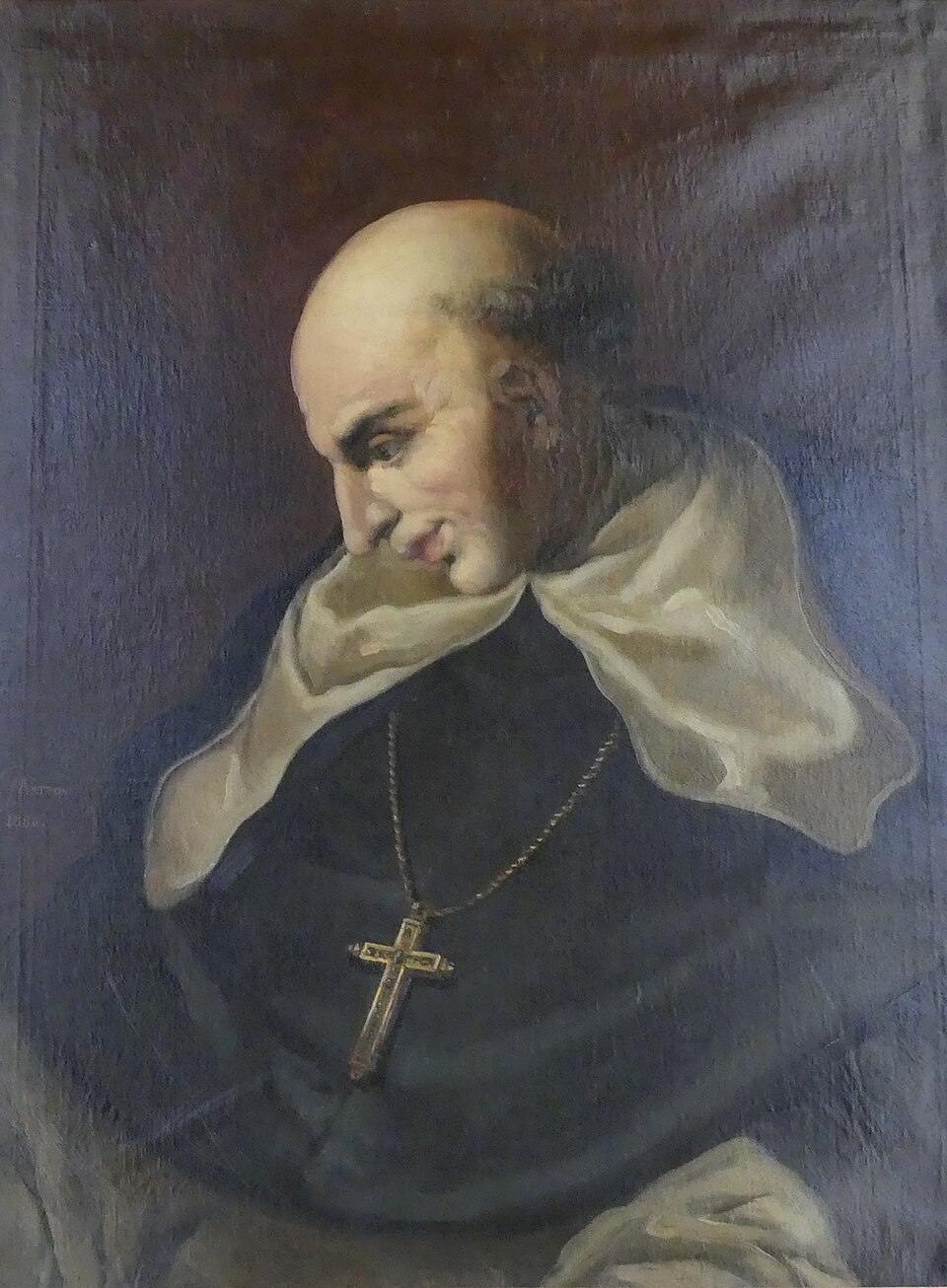
Las Casas was born on November 11, 1484, in Seville, Spain, into a prosperous merchant family. His father, Pedro de las Casas, had sailed with Christopher Columbus on his second voyage, bringing home stories of opportunity and wealth in the Indies. These tales shaped young Bartolomé’s imagination. He received a strong education at the cathedral school in Seville and later studied law and theology—training that would become essential to his later advocacy.
In 1502, at age eighteen, Las Casas sailed to Hispaniola as part of the early wave of Spanish settlers. Like many colonists, he sought fortune and advancement. He participated in military campaigns and was granted an **encomienda**, a royal land grant that included the forced labor of Indigenous people. At this stage of his life, Las Casas was not yet the reformer he would become. He used Indigenous laborers on his land and even owned African slaves, reflecting the norms of the colonial economy.
Everything changed in 1514. After witnessing the brutal treatment of Indigenous communities—forced labor, massacres, and the collapse of entire populations under Spanish rule—Las Casas experienced a profound moral and spiritual crisis. Influenced by a sermon from Dominican friars condemning the conquest as sinful, he renounced his encomienda and returned his serfs to the governor. On August 15, 1514, he preached a sermon declaring that all Indigenous people were fully human, rational, and deserving of freedom. This moment marked the beginning of his lifelong mission.
Las Casas traveled to Spain in 1515 to advocate before King Ferdinand and later before Cardinal Francisco Jiménez de Cisneros, seeking reforms to protect Indigenous peoples. He proposed peaceful colonization based on cooperation, evangelization, and respect. Although his early reform plan failed disastrously due to resistance from colonists, Las Casas refused to abandon his cause.
In 1522, he joined the Dominican Order, withdrawing from public life for nearly a decade to study theology and deepen his understanding of justice and Christian ethics. This period transformed him intellectually. When he returned to public advocacy, he did so with sharper arguments, deeper conviction, and a powerful theological foundation.
Throughout the 1520s and 1530s, Las Casas traveled extensively in Central America, especially among the Maya in Guatemala, where he attempted to establish peaceful missionary communities. His efforts were only partially successful, but they strengthened his belief that Indigenous peoples could be converted through persuasion rather than force.
Las Casas’s most influential work emerged from his pen. His monumental *Historia de las Indias* chronicled the early decades of colonization, though it was not published in his lifetime. More explosive was his 1542 polemic, **A Short Account of the Destruction of the Indies**, a searing indictment of Spanish atrocities that described massacres, enslavement, torture, and the near‑annihilation of entire peoples. Though sometimes exaggerated for rhetorical effect, the work was grounded in eyewitness testimony and personal experience. It shocked Europe and fueled debates about the morality of empire.
Las Casas’s activism reached its peak in 1542 when he successfully persuaded King Charles V to pass the **New Laws**, which restricted the encomienda system and aimed to end Indigenous slavery. These laws represented one of the earliest attempts by a European empire to regulate colonial conduct on moral grounds. Although colonists in the Americas resisted fiercely—sometimes violently—the New Laws marked a turning point in imperial policy.
In 1544, Las Casas was appointed **Bishop of Chiapas**, becoming the first bishop to hold the official title “Protector of the Indians”. His tenure was turbulent. He refused absolution to colonists who held Indigenous slaves, sparking riots and threats against his life. Eventually, he was forced to leave his diocese, but he continued his advocacy in Spain.
One of the most famous moments of his career occurred in 1550–1551 during the **Valladolid Debate**, where Las Casas argued against Juan Ginés de Sepúlveda, who claimed that Indigenous peoples were “natural slaves.” Las Casas countered with a revolutionary argument: all humans are equal, rational, and capable of receiving the Christian faith. While the debate ended without a clear verdict, Las Casas’s position profoundly influenced later moral philosophy and international law.
In his later years, Las Casas continued writing, advising the Crown, and defending Indigenous rights. He retracted his early suggestion that African slaves could replace Indigenous laborers, declaring all slavery morally wrong. His final works condemned colonial greed and called for justice, compassion, and peaceful evangelization.
Bartolomé de las Casas died on July 18, 1566, in Madrid at the age of 81 or 91, depending on the disputed birth year. He was buried in the Basilica of Our Lady of Atocha. His legacy is immense. He is remembered as the **“Apostle of the Indians”** and the **first major advocate for universal human rights in the Americas**.
His writings shaped European perceptions of colonization, influenced imperial policy, and provided future generations with a moral framework for critiquing oppression. Though not without flaws—he participated in conquest, owned slaves, and sometimes exaggerated for effect—Las Casas stands as one of the earliest voices to insist that Indigenous peoples possessed inherent dignity and rights.
More than five centuries later, his work continues to inspire scholars, activists, theologians, and anyone committed to justice. He remains a towering figure in the history of human rights, a man who confronted the empire he served and demanded that it live up to its highest ideals.