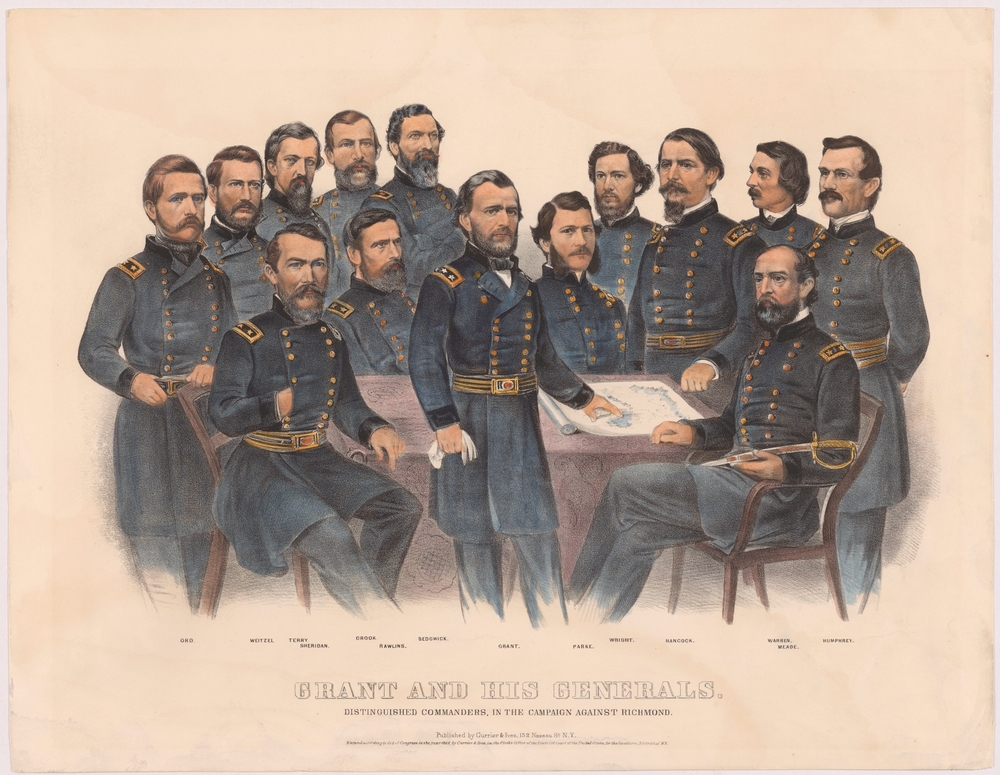
Before Ulysses S. Grant emerged as the Union’s dominant commander, the Army of the Potomac and other Union armies were led by a cast of generals whose personalities, talents, and shortcomings shaped the course of the Civil War. Some became legendary battlefield commanders, while others gained fame for engineering, logistics, or political leadership.
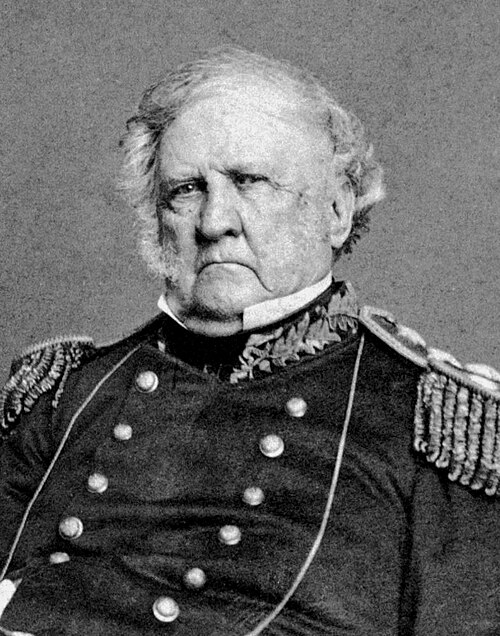
Among the most important was Winfield Scott, the aging general-in-chief when the Civil War began. Nicknamed “Old Fuss and Feathers” because of his strict attention to military discipline and appearance, Scott had been America’s greatest soldier for decades before the conflict. He had won national fame during the Mexican-American War and had written many of the Army’s training manuals. Though too old and ill to command in the field by 1861, Scott developed the famous “Anaconda Plan,” which called for blockading Southern ports and controlling the Mississippi River rather than launching reckless frontal assaults. Many politicians mocked the strategy as too slow, but history ultimately proved Scott remarkably farsighted. The Union eventually won the war largely by following the broad outlines of his plan.
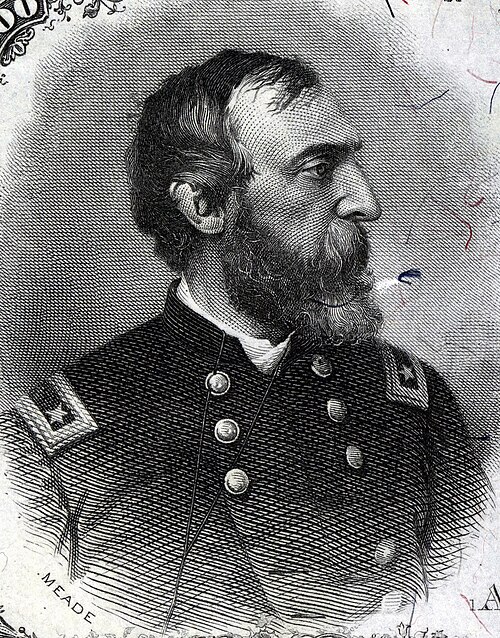
Few Union generals possessed the engineering brilliance of George Gordon Meade. A graduate of West Point, Meade initially worked as a civil engineer before returning to military service. Quiet, irritable, and often blunt, he was known among his soldiers as the “Old Snapping Turtle” because of his temper. In one of history’s most remarkable promotions, Meade was given command of the Army of the Potomac only three days before the Battle of Gettysburg. Despite having almost no time to familiarize himself with his new command, he successfully directed the Union victory during the war’s most famous battle. Although often overshadowed by Grant, Meade remained an indispensable commander through the remainder of the war and demonstrated exceptional professionalism despite frequently receiving little public recognition.
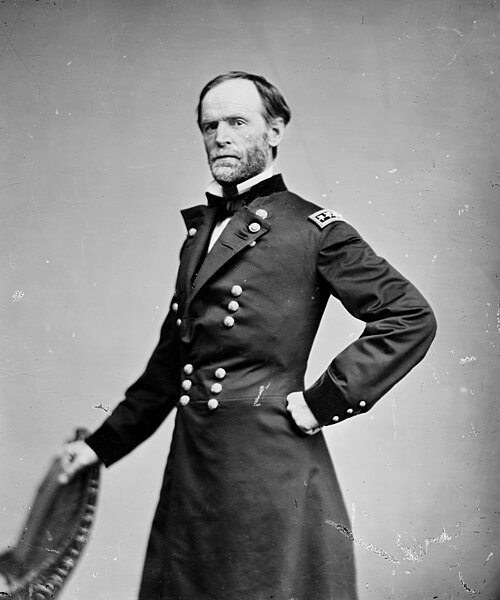
Another gifted soldier was William Tecumseh Sherman, whose military reputation became inseparable from the concept of total war. Before the conflict, Sherman had struggled through several careers, including banking and education, and many questioned his mental stability after he suffered what would today likely be recognized as severe stress early in the war. Yet he emerged as one of the Union’s most capable commanders. His capture of Atlanta in 1864 dramatically boosted Northern morale and helped secure Abraham Lincoln’s reelection. Sherman then led his famous March to the Sea, destroying railroads, factories, warehouses, and other infrastructure that sustained the Confederate war effort. His campaign demonstrated that modern warfare extended beyond defeating armies to breaking an enemy’s ability and will to continue fighting.
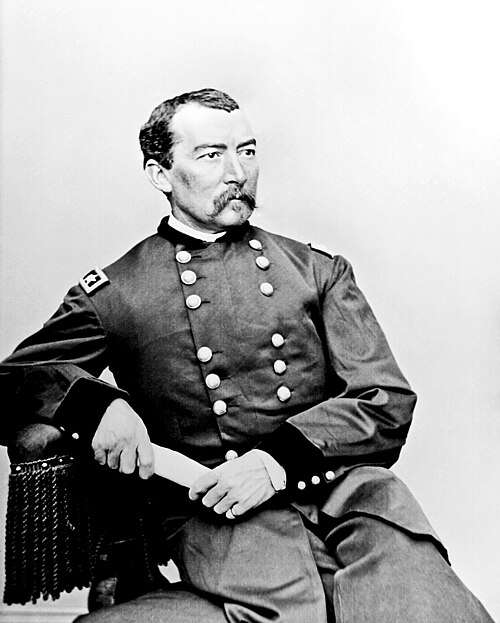
Sherman’s close friend Philip Sheridan became one of the Union’s most aggressive battlefield commanders. Barely over five feet tall, Sheridan hardly looked like the image of a great general, but his fearless leadership earned the admiration of his soldiers. His greatest triumph came in the Shenandoah Valley, where he systematically destroyed Confederate resources that had long supplied General Robert E. Lee’s army. Sheridan became immortalized in American folklore during the Battle of Cedar Creek, when he dramatically rode nearly twenty miles to rally retreating Union soldiers and transform defeat into victory. The ride inspired poems, paintings, and generations of schoolchildren who learned the story as an example of courage and decisive leadership.
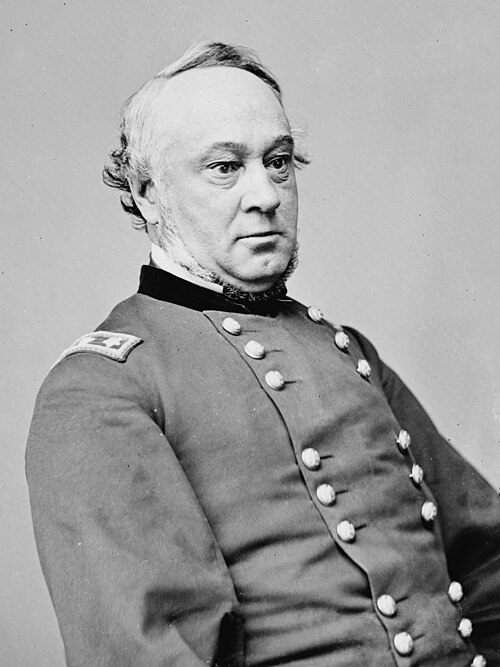
One of the Union’s most respected strategic thinkers was Henry Wager Halleck. Nicknamed “Old Brains,” Halleck graduated near the top of his West Point class and became one of America’s foremost military scholars. Before the Civil War, he authored respected books on military science and helped draft California’s state constitution. As general-in-chief, however, Halleck often struggled with field command. He excelled at administration, logistics, and organization but hesitated to issue bold battlefield decisions. Though sometimes criticized as overly cautious, his organizational skills helped coordinate the enormous Union war effort and ensured that armies received the supplies, reinforcements, and transportation necessary for sustained campaigns.
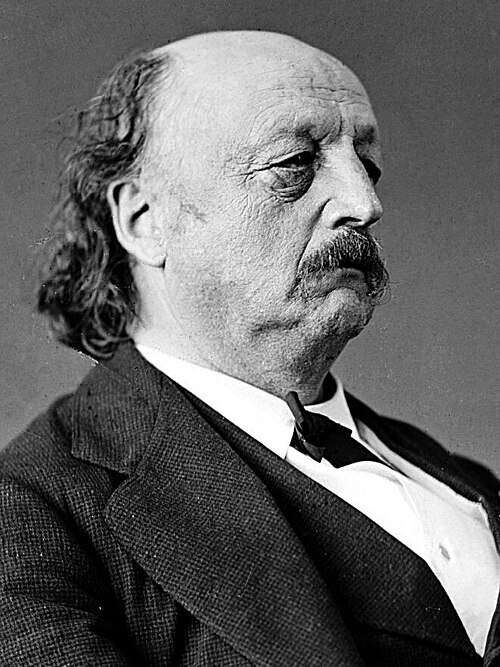
One of the Civil War’s most colorful personalities was Benjamin Butler. Unlike many Union generals, Butler was not a professional soldier but a successful lawyer and politician from Massachusetts. His military record was mixed, and he often drew criticism for poor battlefield performance. Yet Butler made one of the war’s most significant legal contributions. Early in the conflict, three enslaved men escaped to Union lines seeking protection. Rather than returning them under the Fugitive Slave Act, Butler declared them “contraband of war,” arguing that since the Confederacy considered enslaved people property used to support its rebellion, the Union could lawfully confiscate them. This decision opened the door for hundreds of thousands of enslaved people to seek refuge behind Union lines and became an important step toward emancipation.
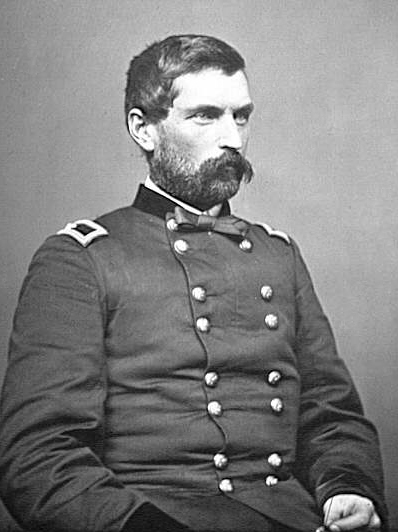
Among the Union’s finest defensive commanders was John Gibbon. Born in Pennsylvania but raised partly in North Carolina, Gibbon found himself fighting against many former friends when the war erupted. His brigade earned the nickname the “Iron Brigade,” one of the Army of the Potomac’s toughest fighting units. Gibbon later commanded divisions and corps during Gettysburg and other major campaigns, earning widespread respect for his calm leadership under fire.
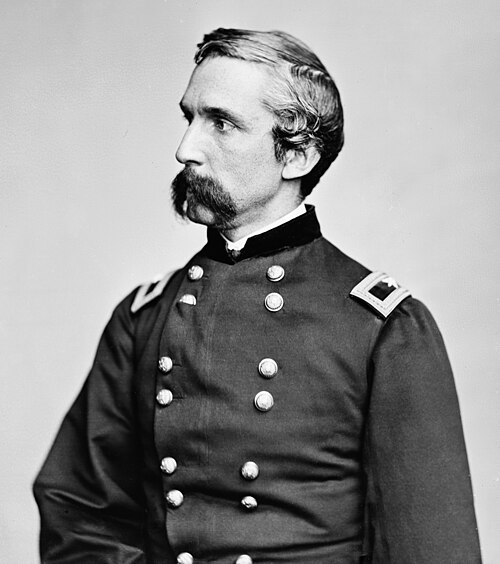
Finally, Joshua Lawrence Chamberlain became one of the war’s most beloved heroes despite having little formal military experience before the conflict. A professor of rhetoric and languages at Bowdoin College, Chamberlain volunteered out of a deep sense of duty. At Gettysburg, his defense of Little Round Top became legendary. When his regiment exhausted its ammunition, Chamberlain ordered a desperate bayonet charge that swept down the hillside and captured hundreds of Confederate soldiers. The action helped secure the Union’s left flank during one of the battle’s most critical moments. Chamberlain survived multiple serious wounds during the war and later had the honor of presiding over the formal surrender ceremony at Appomattox, where he famously ordered Union troops to salute the defeated Confederate soldiers as a gesture of reconciliation.