
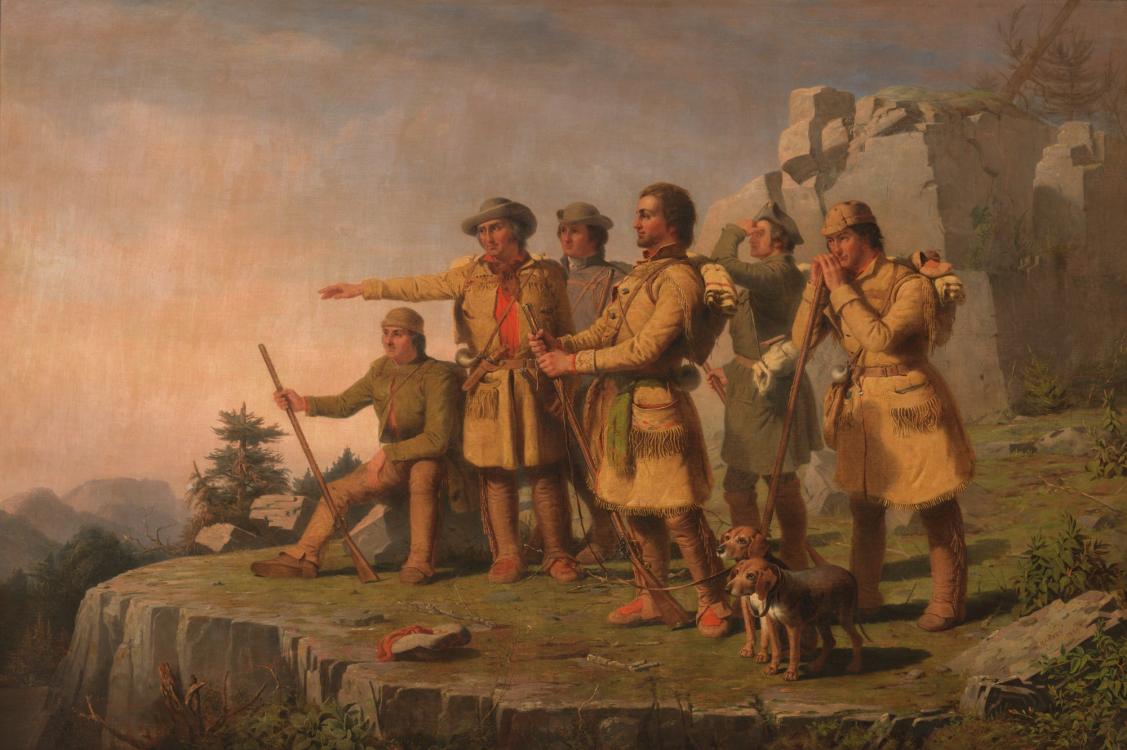
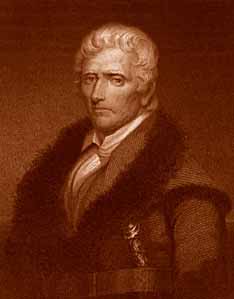
Few Americans have become as legendary as Daniel Boone. In popular imagination, Boone was the fearless woodsman wearing buckskin, carrying a long rifle, and carving civilization out of an untamed wilderness. Although many stories about him grew larger than life, the real Daniel Boone was no less remarkable. He was not the first European-American to explore Kentucky, nor did he single-handedly “discover” the frontier, but his courage, endurance, and leadership helped transform the American wilderness into a place where thousands of settlers believed they could build new lives. More than almost any other individual, Boone became the symbol of America’s westward expansion.
Daniel Boone was born on November 2, 1734, in Berks County, Pennsylvania, into a large Quaker family of English descent. From childhood he preferred forests to farms. While many boys learned trades, Boone learned the woods. He became an expert hunter and tracker, able to navigate by rivers, stars, and mountain ridges. Throughout his life he would display an uncanny ability to survive in harsh conditions with little more than his rifle, hunting knife, and intimate knowledge of nature.
As settlement spread southward, Boone’s family moved to North Carolina. The move placed him closer to the Appalachian Mountains, whose rugged peaks formed the great barrier separating the Atlantic colonies from the vast interior of North America. Beyond those mountains lay rich lands inhabited by Native American nations, especially the Cherokee, Shawnee, and others who had hunted there for generations.
Following the end of the French and Indian War in 1763, interest in lands west of the Appalachians exploded. Hunters returned with stories of fertile valleys filled with buffalo, deer, elk, and towering forests. Among those captivated by these tales was Daniel Boone.
In 1769, Boone joined an expedition through the narrow passage known as the Cumberland Gap. This natural break in the Appalachian Mountains became one of the most important gateways into the West. Boone spent nearly two years exploring Kentucky, hunting, mapping trails, and learning the terrain. He described the country in glowing terms, calling it “a second paradise.”
Yet Kentucky was anything but empty. Numerous Native American tribes considered it a valuable hunting ground. The Shawnee in particular fiercely resisted American settlement, believing that permanent settlements threatened both their sovereignty and way of life. Boone himself was captured by Shawnee warriors in 1778 while gathering salt for the settlement at Boonesborough. Rather than killing him, they adopted him into the tribe, giving him the name Sheltowee, meaning “Big Turtle.” Boone impressed many of his captors with his calm demeanor and wilderness skills. After several months, he escaped upon learning of plans to attack Boonesborough, racing nearly 160 miles through the wilderness to warn the settlement. His timely arrival helped prepare the fort for a lengthy siege, which ultimately failed.
Boonesborough became one of Boone’s greatest achievements. In 1775, working for the land company headed by Richard Henderson, Boone led workers in blazing what became known as the Wilderness Road. Cutting through forests, climbing mountains, and crossing rivers, the party created a route that thousands of families would soon follow. Wagons could not always pass, but packhorses carrying supplies could. Entire families traveled this difficult path seeking farmland and opportunity.
The Wilderness Road changed American history. Historians estimate that more than 200,000 settlers traveled through the Cumberland Gap into Kentucky by the early nineteenth century. Boone did not simply explore the frontier—he made it accessible. The road became one of the great migration routes in American history and accelerated the nation’s movement westward.
Life on the frontier was extraordinarily dangerous. Settlers faced disease, harsh winters, isolation, food shortages, and constant conflict along contested borders. Boone himself buried children, endured repeated attacks, lost property, and often struggled financially despite his fame. Ironically, he never became wealthy from the lands he helped open. Poor record-keeping, disputed land claims, and his own generous nature caused him to lose much of the property he acquired. Boone seemed far more interested in exploring the next horizon than in accumulating wealth.
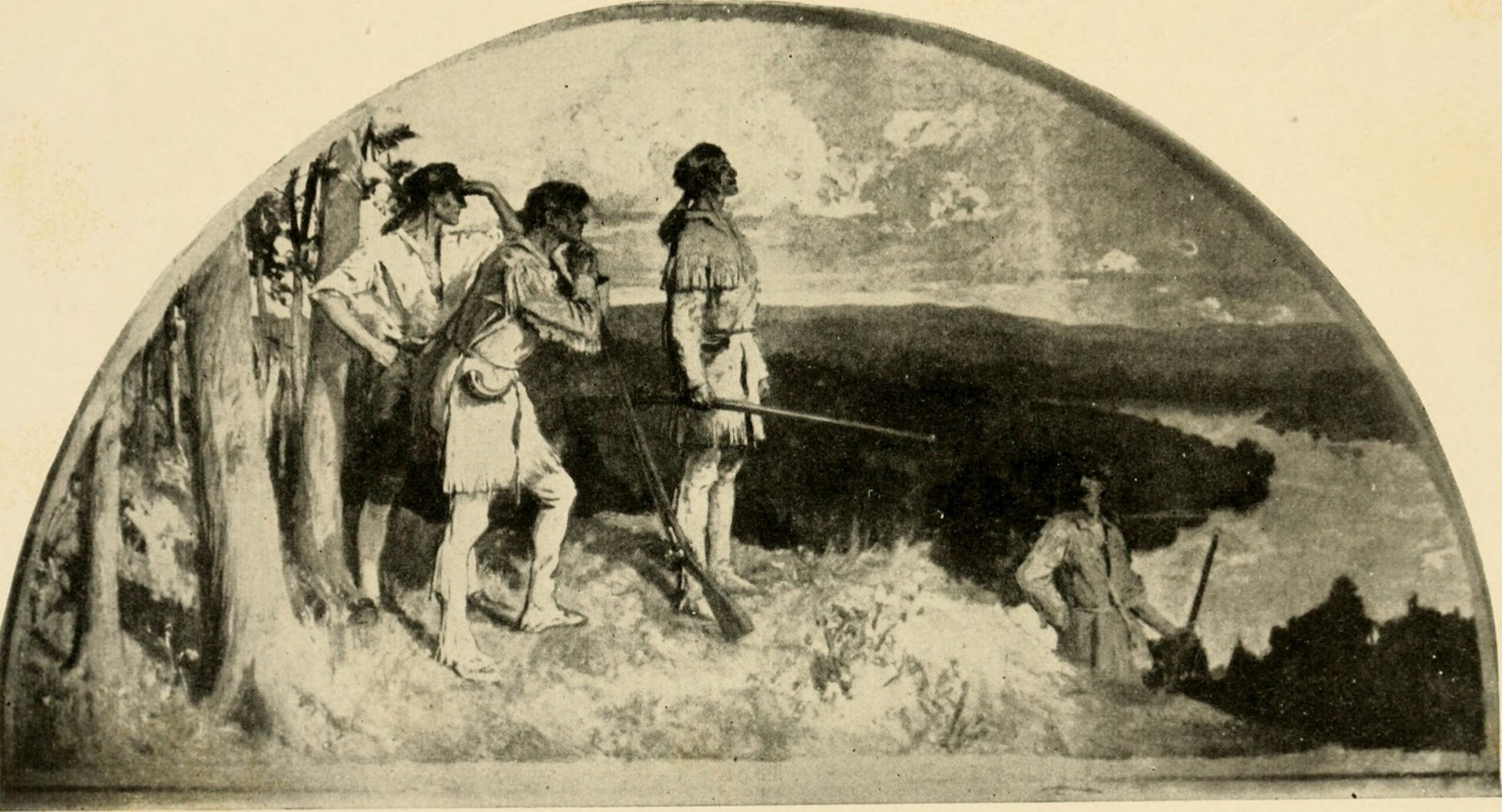
His restless spirit eventually carried him beyond Kentucky into what is now Missouri, then controlled by Spain. Spanish officials welcomed experienced American settlers who could strengthen their frontier. Boone served as a local magistrate and continued hunting and exploring well into old age. Even in his seventies and eighties he was known to disappear into the wilderness for weeks at a time, returning with stories of distant rivers and forests.
As Boone aged, his reputation grew into legend. Early American writers transformed him into the ideal frontiersman—a fearless individual whose courage and self-reliance embodied the nation’s character. Books, paintings, and later television programs often exaggerated his adventures, portraying him as a lone hero conquering an empty wilderness. The historical reality was more complex. Boone relied on companions, learned valuable survival skills from Native Americans, and operated in regions already occupied by Indigenous peoples whose displacement became an inseparable part of westward expansion. Recognizing this fuller history neither diminishes Boone’s accomplishments nor ignores the profound costs borne by Native nations as American settlement advanced.
Daniel Boone died on September 26, 1820, at the age of eighty-five. By then, the frontier he had helped open was filling rapidly with farms, towns, and new states. The nation he left behind stretched far beyond the Appalachian Mountains that had once seemed an impassable barrier.
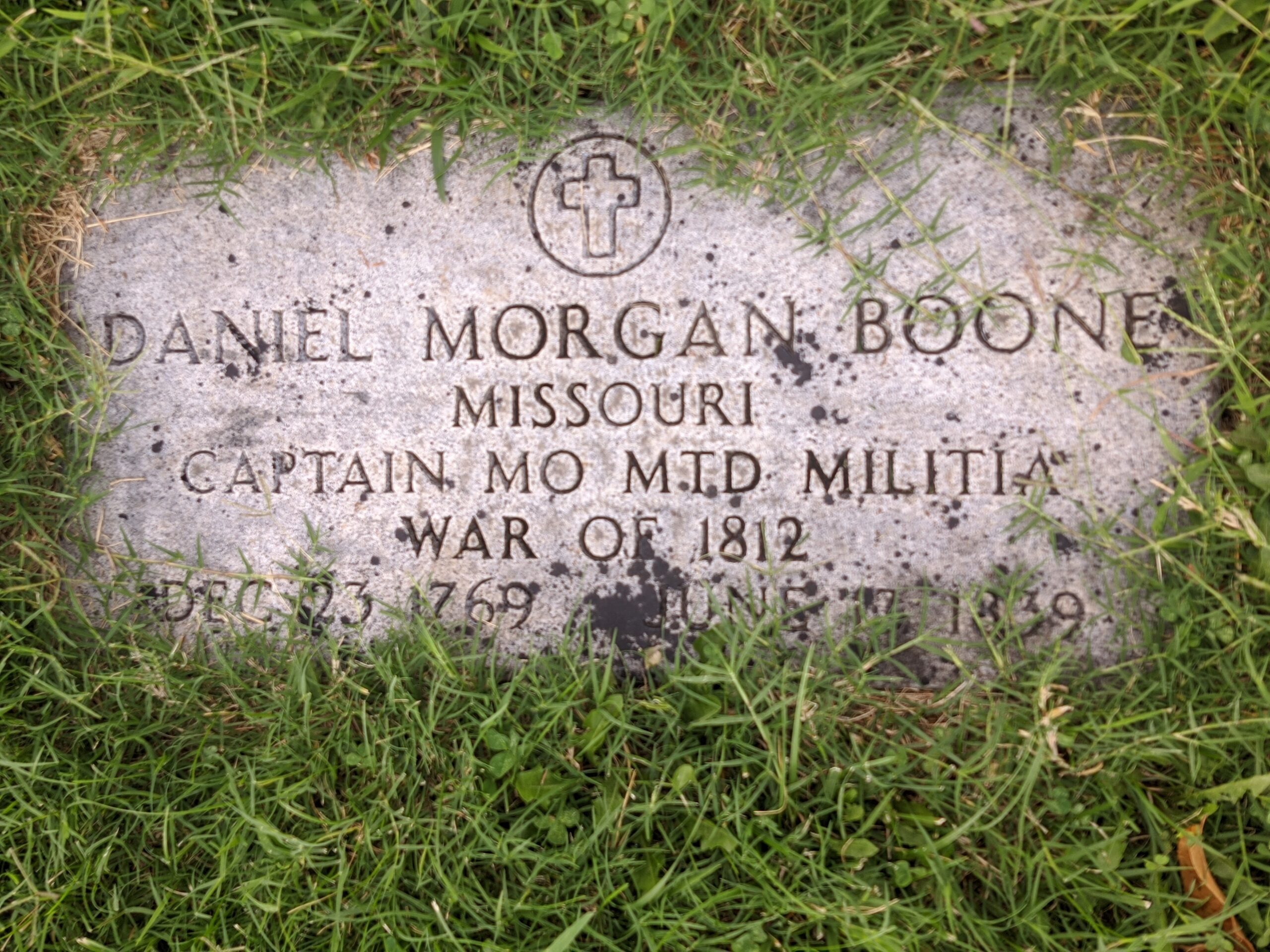
Today, Daniel Boone remains one of America’s defining frontier figures. His remarkable endurance, mastery of the wilderness, and leadership in opening the Wilderness Road helped turn the dream of westward settlement into reality. While history has separated myth from fact, the legend endures because it reflects something deeply rooted in the American story: the belief that beyond every mountain lies another opportunity, another beginning, and another frontier waiting to be explored.