
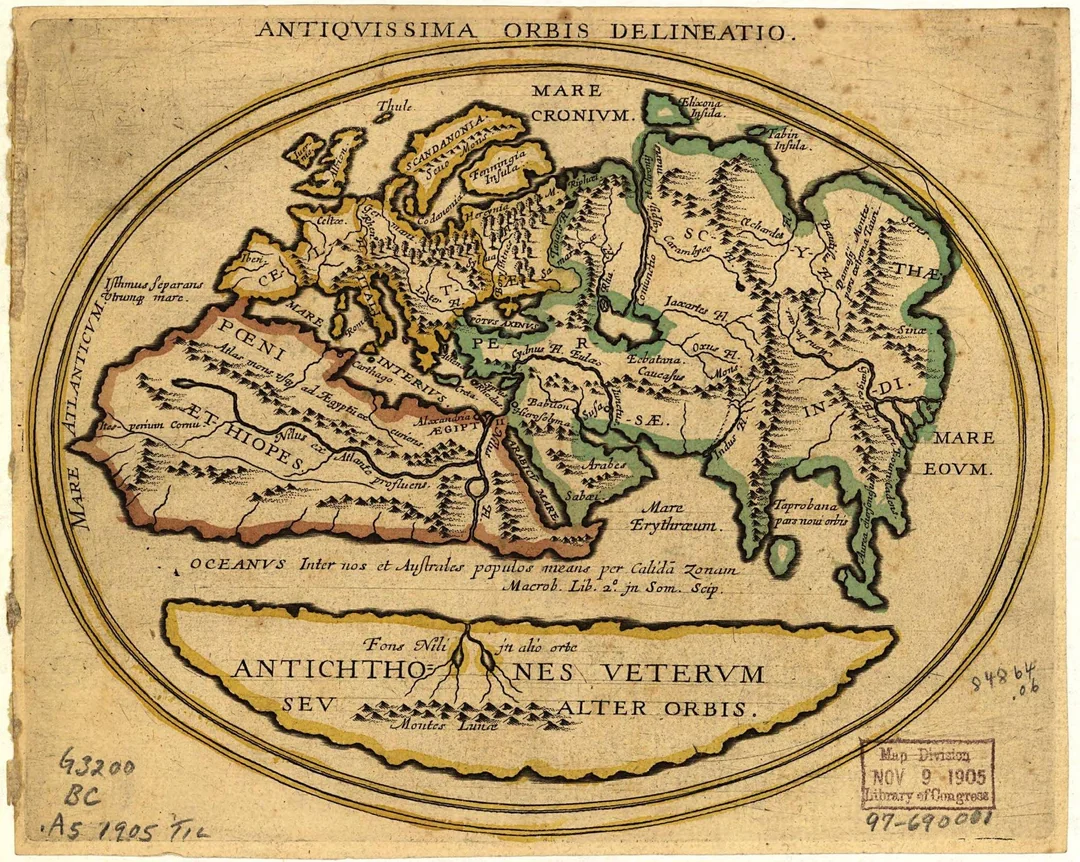
When we imagine Europe on the eve of Columbus’s 1492 voyage, we often picture a continent brimming with confidence—cathedrals rising, kings expanding their power, explorers ready to conquer the seas. But the real story of Europe between 1000 and 1492 is far more complicated, turbulent, and surprising. It is a story of fear and famine, rebirth and revolution, plagues and power struggles. And it is precisely this long, uneven journey that created the world Columbus stepped into—and the world he helped transform.
The Year 1000: A Continent in the Shadows
Around the year 1000, Europe was not the center of global civilization. Far from it. The Islamic empires of the Middle East were the intellectual and economic powerhouses of the world. China’s Song Dynasty was producing gunpowder, printing books, and building cities that dwarfed anything in Europe. Meanwhile, Europe was still recovering from the collapse of the Roman Empire centuries earlier.
Most Europeans lived in small, isolated villages. Literacy was rare. Trade was limited. The Catholic Church was the only institution with continent‑wide influence, and even it was plagued by corruption, political manipulation, and internal conflict. Europe was not yet a unified cultural force—it was a patchwork of feudal kingdoms, each ruled by local lords who often fought one another more than any external enemy.
Yet beneath the surface, change was brewing.
The Medieval Warm Period and the Agricultural Revolution
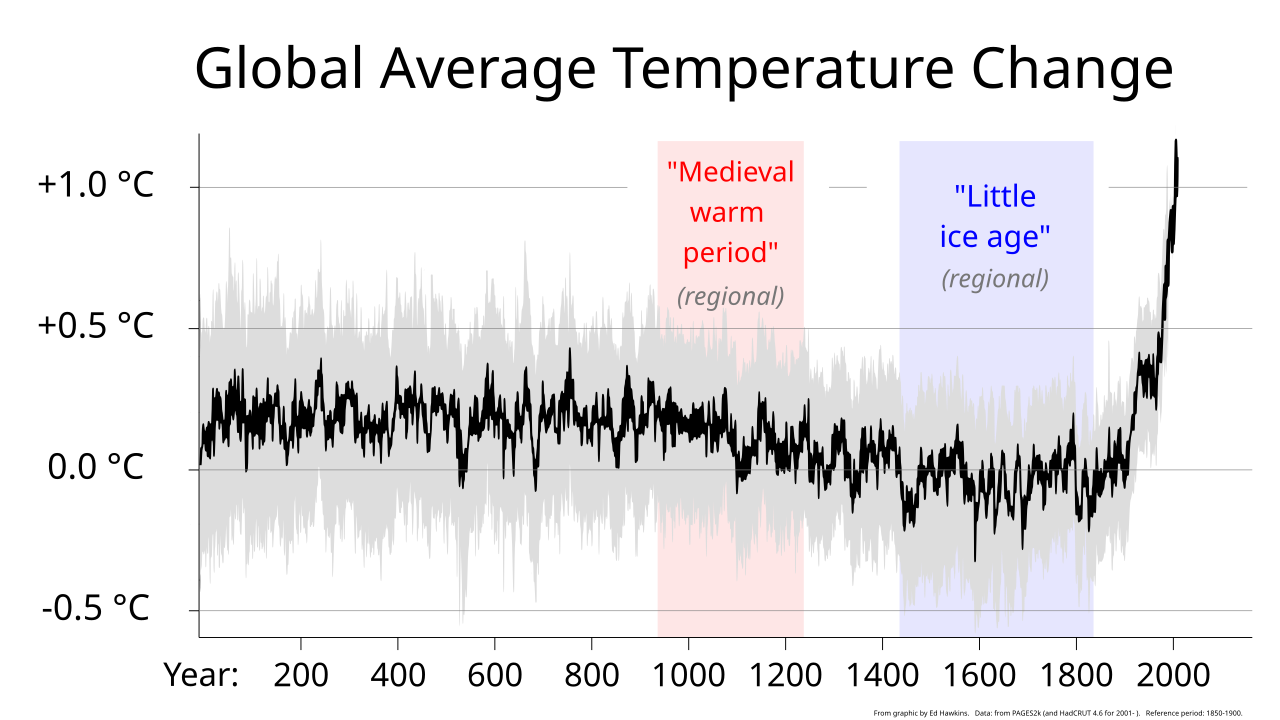
Around the 10th and 11th centuries, Europe experienced a climatic shift known as the Medieval Warm Period. Warmer temperatures lengthened growing seasons, increased crop yields, and allowed farming to expand northward. This agricultural boom transformed Europe.
Farmers adopted the “three‑field system,” rotating crops to keep soil fertile. Heavy plows and horse collars improved efficiency. Surplus food meant population growth, and population growth meant towns—real towns—began to reappear. Markets expanded. Trade routes revived. A merchant class emerged.
Europe was waking up.
The Rise of Cathedrals and Kingdoms
As wealth increased, so did ambition. Between 1050 and 1300, Europe entered a building frenzy. Massive stone cathedrals rose across France, England, and Germany—structures so large and complex that they took generations to complete. Gothic architecture, with its soaring arches and stained glass, symbolized a new confidence in human creativity and divine favor.
At the same time, kings began consolidating power. France, England, and Spain slowly evolved from loose feudal territories into centralized monarchies. The idea of “Europe” as a cultural space began to take shape.
But this growing strength came with growing conflict.
The Crusades: Europe Looks Outward
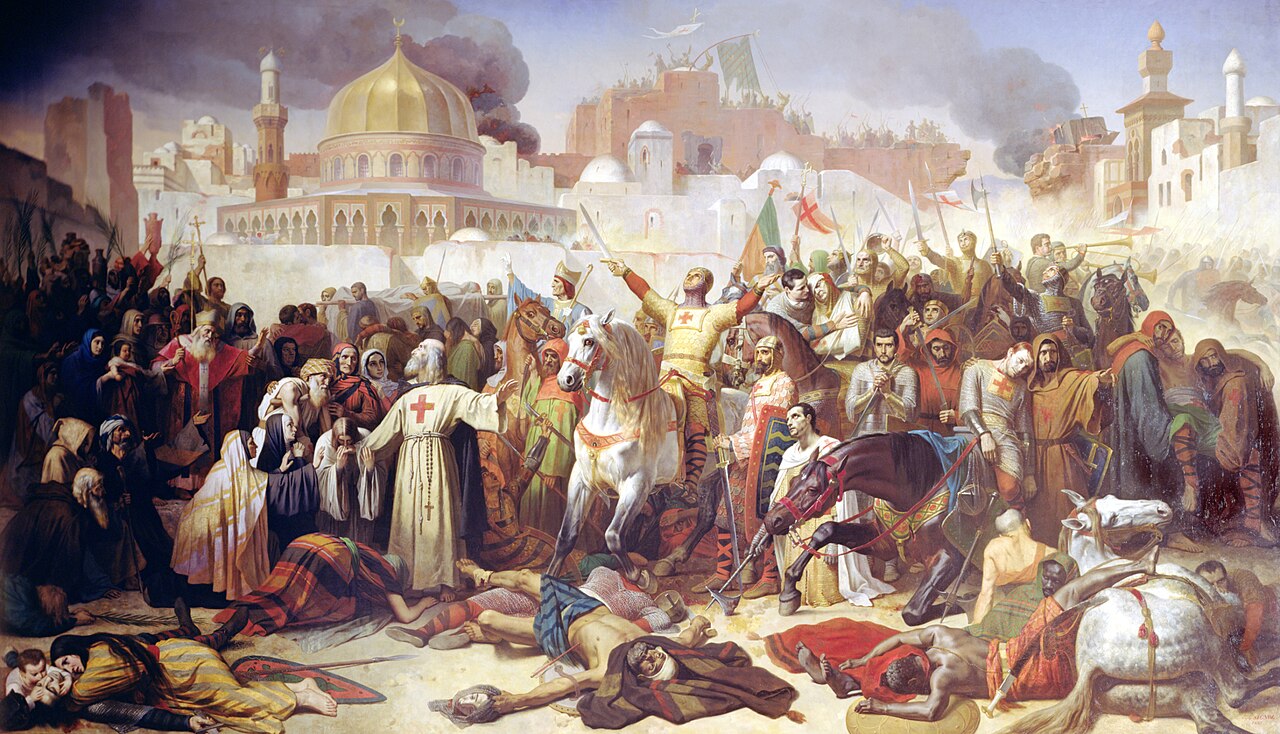
Beginning in 1095, European rulers launched a series of military expeditions known as the Crusades, aimed at reclaiming the Holy Land from Islamic control. Though the Crusades ultimately failed in their stated goals, they had enormous consequences.
Europeans encountered advanced Islamic science, medicine, mathematics, and trade networks. They tasted new foods, saw new technologies, and realized how far behind they were. The Crusades also opened Mediterranean trade routes, enriching Italian city‑states like Venice and Genoa.
Europe was no longer isolated. It was becoming curious.
The Mongols and the Shockwaves of the East
In the 13th century, a new force exploded onto the world stage: the Mongol Empire. Under Genghis Khan and his successors, the Mongols conquered vast territories across Asia and the Middle East. Their conquests shattered old powers, disrupted trade routes, and reshaped global politics.
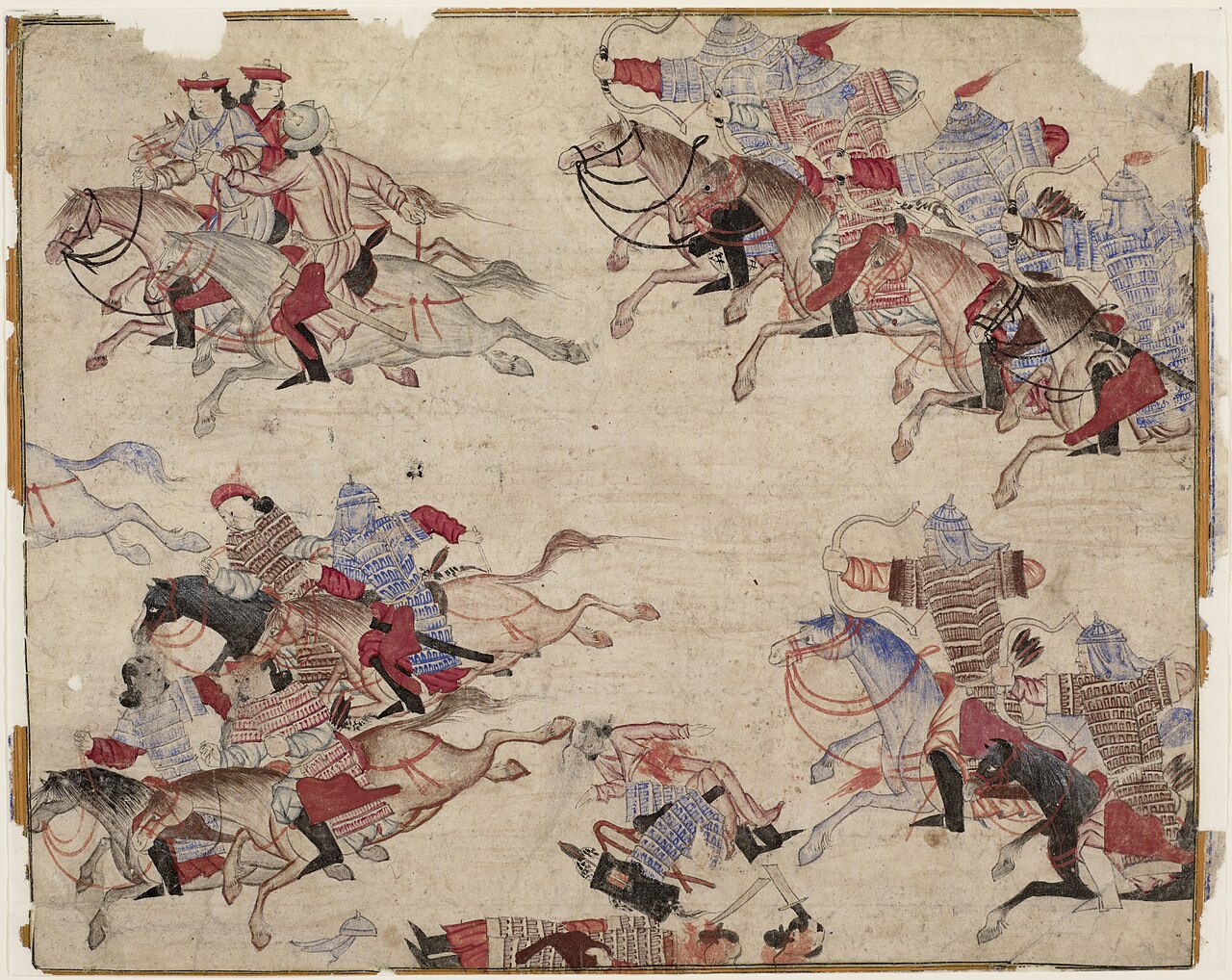
For Europe, the Mongols were both a terror and an opportunity. Their empire created the Silk Road, a relatively safe corridor linking Europe to China. Goods, ideas, and technologies flowed more freely than ever before. Europeans learned of gunpowder, compasses, and paper—innovations that would later fuel exploration.
But this golden thread was fragile.
The Black Death: A Continent in Crisis
In 1347, the bubonic plague arrived in Europe. Over the next five years, it killed between one‑third and one‑half of the population. Entire villages vanished. Labor shortages upended the feudal system. The Church, unable to stop the suffering, lost credibility. Fear, superstition, and social unrest spread across the continent.
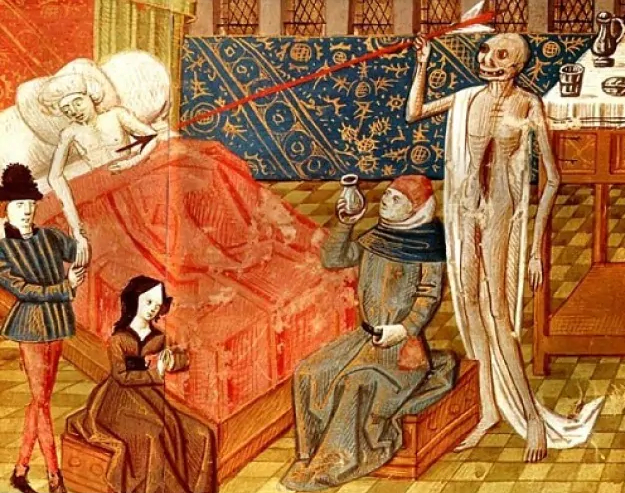
Yet the aftermath of the plague also accelerated change. With fewer workers, wages rose. Serfs demanded freedom. Landowners shifted from feudal dues to market‑based agriculture. Europe was shaken—but also transformed.
The Renaissance: A Rebirth of Curiosity
By the 1400s, Europe was entering the Renaissance, a cultural revival centered in Italy. Scholars rediscovered ancient Greek and Roman texts. Artists like Leonardo da Vinci and Michelangelo redefined beauty and human potential. Wealthy merchant families funded exploration, science, and art.
At the same time, technological breakthroughs reshaped society. Johannes Gutenberg’s printing press (c. 1450) made books cheaper and ideas easier to spread. Knowledge was no longer the exclusive property of the elite.
Europe was becoming a place of innovation—and ambition.
The Ottoman Empire and the Closing of the East
In 1453, the Ottoman Empire captured Constantinople, cutting off Europe’s traditional land routes to Asia. Spices, silk, and luxury goods became harder—and more expensive—to obtain. European rulers and merchants desperately needed a new route to the riches of the East.
Portugal began exploring the African coast. Spain, newly unified under Ferdinand and Isabella, wanted its own path to Asia.
Enter Christopher Columbus.
1492: The Voyage That Changed the World
Columbus believed he could reach Asia by sailing west across the Atlantic. His calculations were wrong, but his timing was perfect. Europe had the ships, the navigational tools, the political will, and the economic hunger to support such a voyage. The world Columbus sailed from was not the confident Europe of legend—it was a continent forged by centuries of struggle, rebirth, fear, and curiosity.

And so, in 1492, Europe’s long, uneven journey collided with the Americas, setting the stage for a new—and often tragic—chapter in world history.
This post is part of our collection and series The Empire: A 250 Year American Story. Each week for the duration of 2026, new episodes will release, telling the unique, complex, and fascinating story of America’s history.