

What Happened
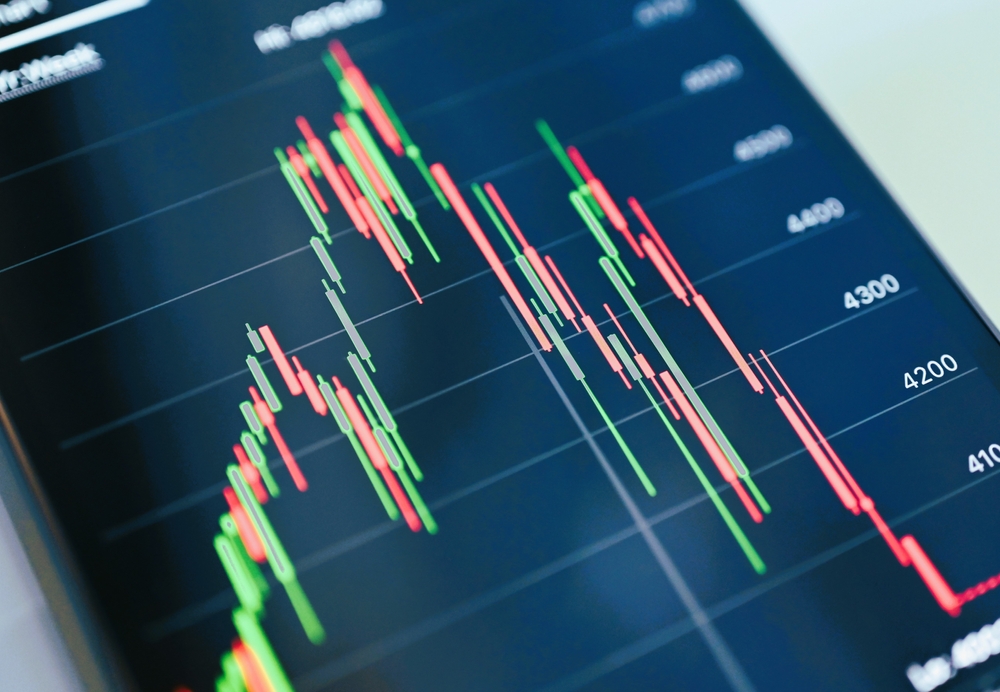
A dramatic sell-off in American technology stocks on November 5 has spread across Asian financial markets on November 6, erasing trillions of dollars in market value and raising concerns about the sustainability of the global artificial intelligence investment boom. The technology-heavy Nasdaq Composite fell 5.52% on Thursday, its largest daily decline in 19 months, while the broader S&P 500 lost 4.36%. Approximately $3 trillion in market capitalization disappeared from companies in the S&P 500. Semiconductor stocks suffered particularly severe losses, with the Philadelphia Semiconductor Index falling more than 12%. The turmoil spread into Asian trading Friday morning. South Korea’s KOSPI plunged more than 8%, triggering a temporary trading halt, while Japan’s Nikkei fell approximately 6% and Taiwanese stocks also dropped sharply. Investors are reassessing the enormous sums being invested in AI infrastructure, particularly amid concerns that the Democratic Party’s victory in the American midterm elections could lead to greater regulatory scrutiny and restrictions on data-center construction. The losses are confirmed, but they do not establish that the global AI industry is collapsing or that a broader financial crisis has begun. Reuters — November 5 Wall Street sell-off | Associated Press — Technology stocks lead sharp market decline | Financial Times — Asian markets plunge November 6. Reuters
How This Affects Ordinary People
The immediate consequences include substantial losses for investors and retirement accounts, while the longer-term danger is that a sustained decline could reduce business investment, employment opportunities and economic growth. Americans holding diversified retirement savings have experienced losses as major stock indexes declined, although the effect on individual accounts depends on their investments. Employees whose compensation includes technology-company shares may be particularly exposed. The consequences extend internationally because semiconductor manufacturers, electronics suppliers and equipment producers in South Korea, Taiwan and Japan depend heavily on demand from American technology companies. If businesses reduce planned AI infrastructure spending, manufacturers and construction companies could face fewer orders, potentially affecting hiring and wages. Smaller companies that borrowed heavily to finance data centers may encounter additional difficulty obtaining credit. There is also a distinction between financial-market losses and immediate household hardship: declining stock prices do not automatically translate into layoffs, reduced wages or shortages of goods. The greatest concern for ordinary workers is whether the market correction becomes a sustained contraction in investment and employment rather than a temporary repricing of financial assets. Associated Press — Market losses and economic implications| Reuters — Asian manufacturers exposed to AI investment slowdown. AP News
Why This Matters
The international significance is that artificial intelligence investment has become an important source of economic activity across multiple countries, making a sudden reassessment of its profitability consequential far beyond American technology companies. The AI expansion has generated enormous demand for advanced semiconductors, memory chips, electricity-generation equipment, data centers and construction services. Much of the underlying manufacturing takes place in Asia, while substantial financing comes from American capital markets. This creates a closely connected international investment system in which doubts about future AI profits can rapidly affect companies across several continents. The latest sell-off also exposes concerns about financial leverage. Some smaller infrastructure companies have borrowed heavily against expectations of continued demand, leaving them vulnerable if investors become less willing to provide financing. Political uncertainty has intensified those concerns, but it is not the only explanation: analysts have also questioned whether AI companies can generate sufficient revenue to justify the enormous capital expenditures already planned. Investors have responded by moving toward safer government bonds, while some currencies have strengthened against the dollar. The broader danger is that a major source of global investment growth could weaken simultaneously across technology, manufacturing, energy infrastructure and financial markets. However, the available evidence does not yet demonstrate that planned AI spending has actually collapsed. Reuters — Global AI investment concerns and financial-market contagion | Financial Times — Japanese and Korean technology shares plunge | The Wall Street Journal — Investors question AI infrastructure profitability. Reuters
What Changed
The decisive new development is the transformation of growing concerns about AI valuations into a severe, internationally synchronized market sell-off involving approximately $3 trillion in lost American equity value and extraordinary declines across Asian semiconductor markets. Previous Global Story Watch reporting documented the November 3 American midterm elections and their potential implications for financial markets and technology regulation. Those developments established the possibility of changing investor expectations. The November 5–6 market reaction is materially different because investors have now acted on those concerns at a scale not seen since the major tariff-related sell-off of April 2025. The Nasdaq has entered correction territory, falling approximately 12% below its October peak. South Korea’s decision to halt trading temporarily after an 8% market decline demonstrates the intensity of the international reaction. Taiwan and South Korea have also taken measures intended to stabilize their markets. What has materially changed is the scale of actual financial losses and their transmission across international markets—not confirmation that the AI investment boom has permanently ended. The next developments worth watching are whether markets stabilize, whether heavily indebted AI infrastructure companies encounter financing difficulties, and whether major technology companies begin reducing their capital investment plans. Reuters — November 6 international market reaction | Associated Press — Nasdaq enters correction territory | Financial Times — Asian trading disruptions and investor concerns. Reuters