
What Happened
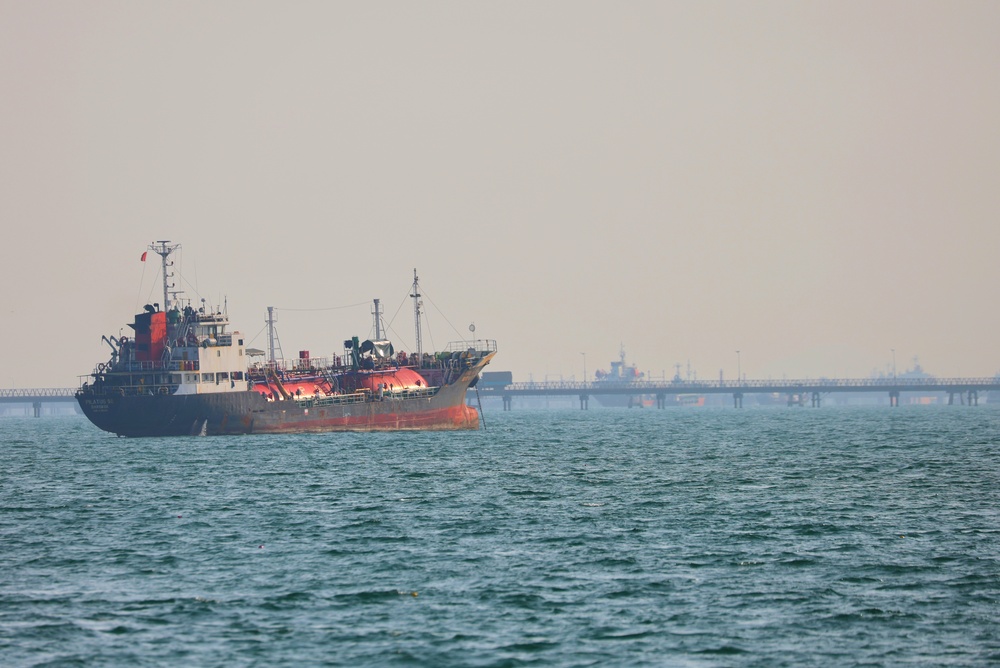
Two very large crude carriers carrying Saudi oil were struck by unidentified projectiles within minutes of one another while exiting the Strait of Hormuz late on August 31. The Saudi-flagged Sidr and Liberian-flagged Senegal Prosperity had each loaded roughly 2 million barrels of crude at Saudi Arabia’s Juaymah terminal. All crew were reported safe, but maritime intelligence firm Marisks called the near-simultaneous attacks a further escalation in the threat environment inside the Omani corridor. (Reuters) Reuters: Two tankers carrying Saudi oil attacked in Strait of Hormuz
Oil prices rose again on September 1, with Brent at about $91.67 a barrel and U.S. crude near $87.03 in early trading. The attacks come as only a small fraction of normal commodity traffic is moving through Hormuz and mediation efforts by Qatar and Oman have failed to produce a reopening agreement. Before the war, roughly one-fifth of global oil supply moved through the strait. (Reuters) Reuters: Oil rises as renewed fighting revives supply fears | Reuters: Hormuz reopening efforts remain inconclusive
How This Affects Ordinary People
The immediate consumer risk is that tanker owners, insurers and energy companies become even less willing to send ships through Hormuz. That can raise shipping insurance, tanker rates and ultimately the delivered cost of crude oil, even without a large physical loss of supply. Those higher costs can filter into gasoline, diesel, heating fuel, airline fares and freight charges, while energy-intensive businesses face another increase in operating expenses. (Reuters) Reuters: Attacks raise the threat level for commercial shipping | Reuters: Oil prices rise on renewed supply fears
For households far from the Gulf, the larger danger is inflation. Energy prices are already one of the reasons bond yields and expectations for central-bank rate increases have climbed. If shipping attacks keep crude above $90—or push it materially higher—consumers could face the combination of higher fuel prices and higher borrowing costs at the same time, affecting mortgages, auto loans and business credit. (Reuters) Reuters: Higher oil prices add to global inflation pressure | Reuters: Euro-zone inflation rises above 3% as energy costs climb
Why This Matters
The key economic issue is Saudi Arabia, not simply another attack on commercial shipping. Saudi crude represents one of the world’s most important sources of replacement supply during an energy crisis. If tankers carrying Saudi barrels cannot transit Hormuz reliably, then having oil available inside the Gulf becomes less useful because producers still need a safe way to deliver it to global customers. The attacks therefore threaten the logistical mechanism the world relies upon to turn Gulf production into usable global supply. (Reuters) Reuters: Saudi-loaded supertankers struck while leaving Hormuz
That matters particularly because the world’s emergency buffers are already unusually thin. Strategic petroleum stocks have been heavily drawn down, Russian refined-fuel exports remain constrained and alternative routes are being pushed harder. If commercial owners begin withdrawing ships from Hormuz again, the global energy system could move from a period of restricted but functioning trade toward another severe physical bottleneck. (Reuters) Reuters: Hormuz traffic remains severely below normal | Reuters: Regional trade is already rerouting around Gulf disruption
What Changed
The previous development was that military exchanges had resumed around Hormuz and Iranian forces were suspected of preparing additional mines, raising the possibility that shipping conditions would worsen. The materially new development is that the threat has now moved directly onto large commercial tankers carrying millions of barrels of Saudi crude. This is no longer primarily a warning about what might happen to merchant shipping; major oil cargoes have actually been struck while attempting to leave the Gulf. (Reuters) Reuters: Two Saudi-loaded supertankers struck within minutes | Associated Press: U.S. strikes had already signaled renewed military escalation
That crosses the alert threshold because the global economic story has shifted from “renewed fighting could undermine the tentative reopening of Hormuz” to “commercial Saudi oil shipments are now being physically attacked inside the corridor.” If attacks continue, the next consequential move would be tanker operators suspending additional voyages, insurers sharply increasing war-risk premiums or Saudi and other Gulf exporters reducing loadings because they cannot safely move cargo out. Any of those would turn today’s security escalation into a larger global supply shock. (Reuters) Reuters: Tanker attacks represent a further escalation in the Omani corridor | Reuters: Brent moves above $91 as markets reassess supply risk