
What Happened
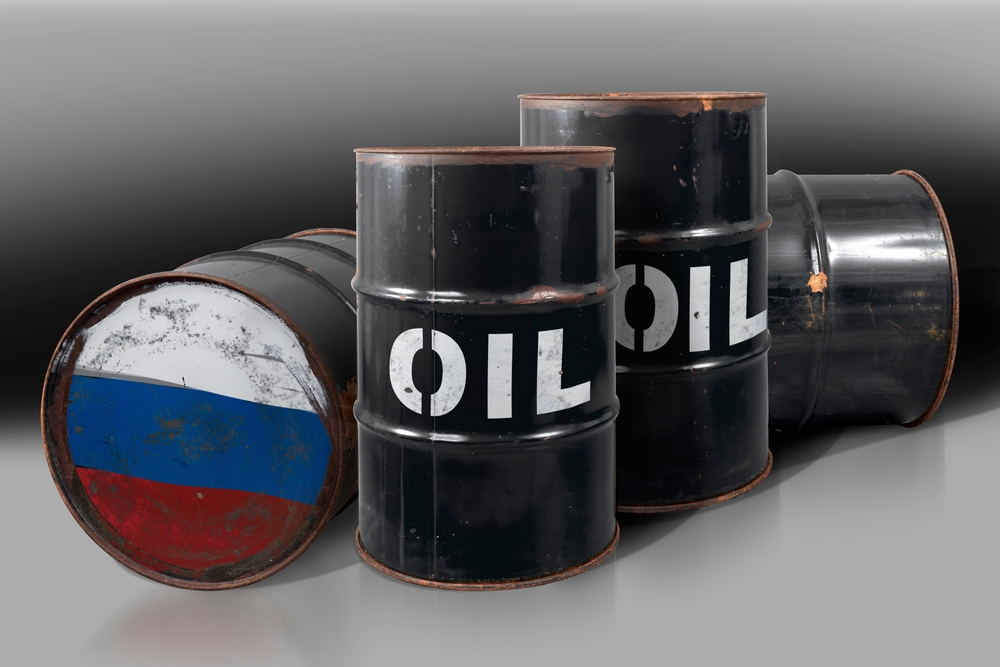
Russia has slashed its 2026 oil-production forecast to the lowest level since 2009, a significant deterioration in the outlook for one of the world’s largest energy producers. A Russian government draft forecast obtained by Reuters now expects production of 494.2 million metric tons, or about 9.88 million barrels per day, roughly 17 million tons below 2025 and 16–20 million tons below projections published only a few months ago. Moscow also lowered its production forecasts through 2029, citing export bottlenecks and the cumulative effects of the war, sanctions and damage to energy infrastructure. (Reuters) Reuters: Russia cuts 2026 oil-output forecast to a 17-year low | Interfax: earlier Russian forecasts had anticipated substantially higher production
The deterioration extends beyond crude production. Russia now expects fuel exports of only 98.5 million tons this year, substantially below earlier projections, after repeated attacks on refineries contributed to domestic gasoline shortages and forced Moscow to restrict exports of diesel, gasoline and other fuels. Russia is attempting to compensate by exporting more unrefined crude in the near term, but the government’s own projections show both production and exports remaining weaker than previously expected for several years. (Reuters) Reuters: Russia’s refining disruptions are now affecting its long-term energy forecast | Reuters: earlier attacks had already pushed Russian output below target
How This Affects Ordinary People
For consumers, the most immediate risk is persistent pressure on gasoline, diesel, airline fuel and freight costs. Russia remains one of the world’s largest oil producers, so reduced Russian production matters particularly now, when Middle Eastern supply is simultaneously constrained by the Hormuz crisis. Diesel prices in the United States have already risen about 47% over the past ten weeks, according to Reuters, as refinery outages in Russia and the Middle East tighten the market for refined fuels. (Reuters) Reuters: refinery disruptions are driving diesel prices sharply higher| Reuters: Russia lowers its oil and fuel outlook
Inside Russia, the effects are more direct. Refinery damage has contributed to domestic fuel shortages and export restrictions, while the broader economy is projected to grow only weakly. Higher transportation and production costs can spread through food prices, agriculture and manufacturing, while lower energy revenues reduce the government’s ability to fund civilian spending without raising taxes, borrowing more heavily or redirecting resources from elsewhere. (Reuters) Reuters: Russian officials warn the wartime economy is increasingly straining civilian sectors | Reuters: lower oil production compounds pressure on Russia’s economy
Why This Matters
The global energy system is increasingly losing multiple sources of flexibility at the same time. Iranian exports through Hormuz have nearly stopped, Gulf shipping remains severely disrupted, Russian refining capacity has been damaged, and now Russia itself expects materially less oil production for years. At the same time, oil from the Americas is increasingly being redirected toward Asia, with Western Hemisphere exports reaching a record 11.7 million barrels per day in 2026 as buyers search for more reliable supply. (Reuters) Reuters: Russia’s production outlook deteriorates through 2029 | Reuters: the Americas gain structurally as global oil trade shifts
That raises the possibility that today’s energy shock becomes more persistent than markets originally expected. If Russian supply capacity is genuinely being impaired rather than merely temporarily disrupted, then even an eventual easing of the Hormuz crisis may not return the oil market to its previous equilibrium. Higher structural energy costs would reinforce the inflation pressures already pushing bond yields higher and central banks toward tighter monetary policy. (Reuters) Reuters: Russia’s government now sees lasting damage to its oil outlook | Reuters: rising energy prices are already feeding the global bond sell-off
What Changed
Until now, the Russian energy story was primarily about temporary refinery outages, domestic fuel shortages and export bans. The material change is that those disruptions have now migrated into Russia’s own official medium-term production assumptions. Moscow had expected roughly 511–515 million tons of oil production in 2026 earlier this year; the new draft forecast cuts that to 494.2 million tons and lowers projections all the way through 2029. (TASS) Reuters: Russia’s new forecast marks a major downward revision | Interfax: April forecast had production near 515 million tons
That crosses the alert threshold because the story has shifted from “Russia is struggling to refine and export its oil” to “Russia now expects its underlying oil-production capacity to fall to a 17-year low.” In a normal energy market that would be significant; during a simultaneous Middle Eastern supply crisis it is much more consequential. If the September forecast is finalized near these levels, it would strengthen the case that the current global energy shock is becoming a longer-term restructuring of supply rather than a temporary wartime disruption. (Reuters) Reuters: Russia acknowledges a lasting reduction in its oil outlook | Reuters: global oil trade is already structurally shifting toward the Americas