
What Happened
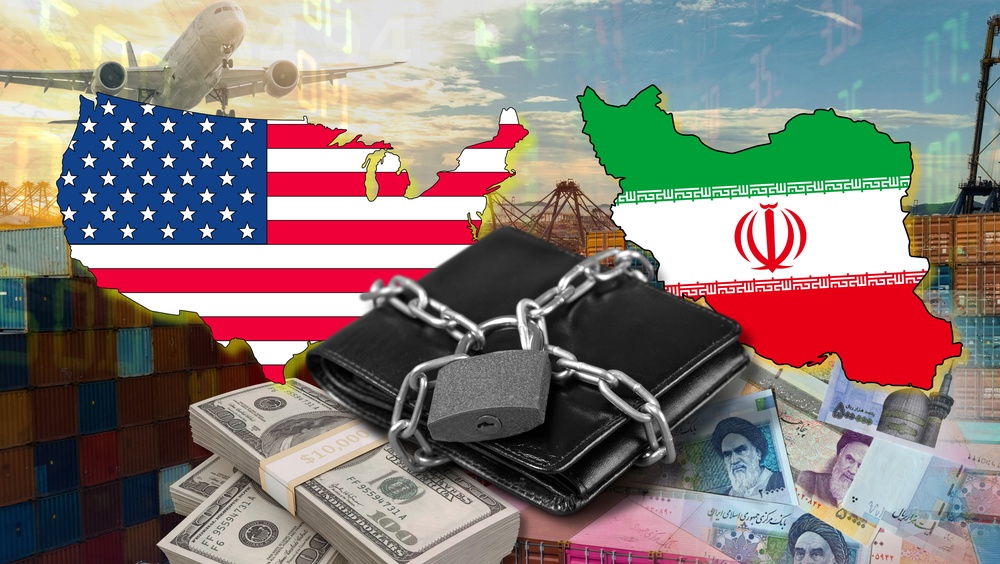
The United States has escalated its economic campaign against Iran from a series of warnings and isolated penalties into what Treasury Secretary Scott Bessent now says will be a recurring weekly sanctions program, initially focused on banks. Speaking on August 30 ahead of the G20 finance meetings, Bessent said Washington expects to announce new secondary sanctions “every week” and warned that institutions facilitating Iranian transactions could ultimately be cut off entirely from the U.S. dollar-based financial system. (Reuters)
Bessent separately told the Associated Press that another bank is expected to be targeted this week, following Friday’s proposed action against the UAE branches of Egypt’s Banque Misr. More significantly, he said he will press G20 finance ministers and central-bank governors to reduce economic ties with Iran and said “all options are on the table” regarding sanctions connected to China’s continued purchases of Iranian oil. China is Iran’s largest trading partner and leading oil customer, making it the critical threshold between a targeted sanctions campaign and a much broader disruption to international trade. (AP News)
How This Affects Ordinary People
The near-term effects will be concentrated in Iran and among businesses trading with it. Banks facing the possibility of losing dollar access have a powerful incentive to stop processing Iranian-linked payments before they themselves are formally sanctioned. That can make it harder and more expensive to finance imports, obtain foreign currency, insure shipments and settle international transactions—costs that ultimately flow through to businesses and households in the form of higher prices, scarcer imports and weaker purchasing power. (Reuters)
The larger consumer risk would emerge if Washington begins penalizing major buyers of Iranian energy. China remains the leading customer for Iranian oil, while other Asian economies depend heavily on imported crude. If secondary sanctions significantly reduce those flows before alternative supplies are available, oil prices could rise further—feeding into gasoline, diesel, electricity, airline fares, shipping and food costs at a time when the Strait of Hormuz remains disrupted and Brent crude is already near $90 a barrel. (AP News)
Why This Matters
Secondary sanctions derive their power from the central role of the U.S. dollar in global finance. Washington does not have to prohibit every Iranian transaction directly; it can instead force international banks to decide whether business with Iran is worth risking access to American correspondent banking and dollar clearing. By announcing that such penalties may now arrive every week, Treasury is attempting to create continuing uncertainty across banks, commodity traders, refiners and shipping companies far beyond Iran itself. (Reuters)
The G20 dimension makes the development especially important. Bessent is no longer framing the campaign simply as American sanctions enforcement; he plans to pressure finance ministers and central bankers from the world’s largest economies to choose between maintaining economic relationships with Iran and exposure to U.S. secondary sanctions. If countries such as China, India or major Gulf economies resist, the dispute could start fragmenting international payment networks and trade relationships rather than merely isolating Iran. (Reuters)
What Changed
The previous sanctions alert marked the first concrete action against a foreign bank, but there was still uncertainty over whether Banque Misr’s UAE branches represented a carefully contained example or the beginning of a wider campaign. That uncertainty has now been substantially reduced. Bessent has explicitly said more measures will come every week, another bank is already expected to be targeted, and the U.S. intends to use the G20 meetings to broaden compliance internationally. (Reuters)
That crosses the alert threshold because the story has shifted from “Washington has begun testing secondary sanctions” to “Washington is constructing an ongoing international financial-pressure campaign.” The decisive escalation has not yet occurred: major Chinese or Indian banks and large oil buyers have not been cut off from the dollar system. But Washington has now publicly identified that possibility, established a recurring sanctions cadence and begun pushing the world’s largest economies to participate. The next step could therefore have consequences not merely for Iran, but for global energy trade and the international financial system itself. (Reuters)