
What Happened
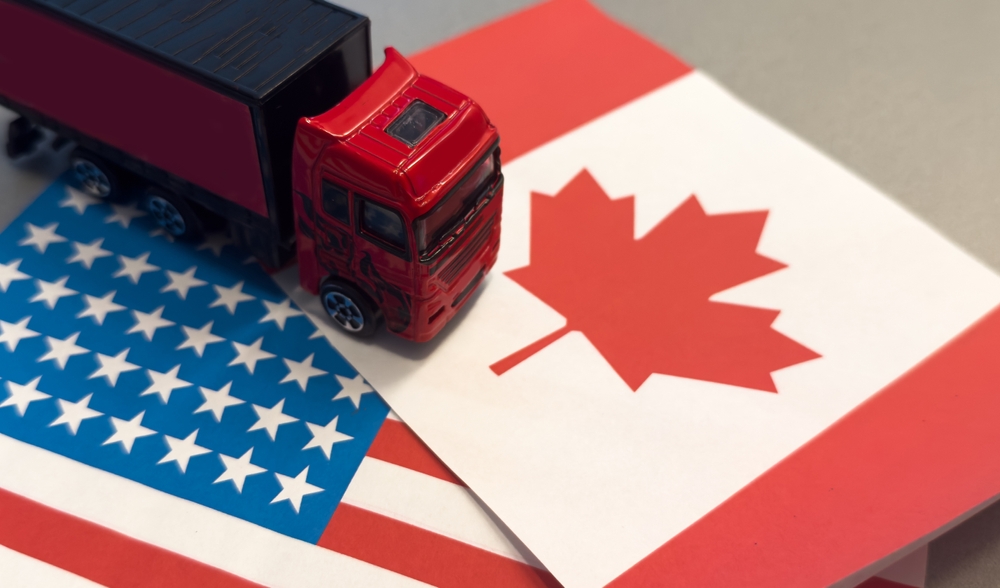
The United States imposed 50% tariffs on roughly $20 billion of Canadian goods on August 22 after last-minute negotiations between Washington and Ottawa collapsed. The measures affect a relatively small share of total bilateral trade—just over 5% of Canada’s exports to the U.S.—but Canada immediately pledged dollar-for-dollar retaliationand suspended further trade talks. No new negotiations are currently scheduled. (Reuters) Reuters | Associated Press
The dispute is especially notable because the U.S. is invoking Section 338 of the Tariff Act of 1930, an obscure provision allowing tariffs of up to 50% against countries deemed to discriminate against American commerce. The new duties cover selected Canadian products while larger unresolved disputes remain over steel, aluminum, automobiles, dairy and other sectors. (United States Trade Representative) U.S. Trade Representative | Reuters
How This Affects Ordinary People
The immediate consumer impact should be noticeable but limited, because the newly targeted goods represent only a fraction of U.S.–Canadian trade. American importers may pass some of the added cost onto customers, while Canadian producers exposed to the U.S. market could face falling orders, squeezed margins or job losses. Canadian retaliation will similarly raise costs for some U.S. exporters attempting to sell into Canada. (AP News) Associated Press | Reuters
The larger risk is what happens if the fight spreads into the deeply integrated North American supply chain. Cars, machinery, metals, agriculture and manufactured components routinely cross borders during production. Broader tariffs in these areas could eventually mean higher vehicle and construction costs, pressure on manufacturing employment and additional inflation at a time when borrowing and energy costs are already elevated. (Reuters) Reuters on North American trade negotiations | Associated Press
Why This Matters
Canada and the United States have one of the world’s largest and most integrated trading relationships, so the significance is less about the $20 billion currently targeted than about what the breakdown says about the future of North American trade. The collapse makes already difficult negotiations surrounding the U.S.–Mexico–Canada Agreement more complicated and raises the possibility that businesses can no longer assume relatively stable rules across the continent. (Reuters) Reuters | Reuters on USMCA negotiations
If this becomes a prolonged cycle of tariff and retaliation, companies may increasingly reorganize supply chains, postpone cross-border investment or shift production to reduce exposure. That would deepen a broader global trend toward less predictable and more politically fragmented trade, potentially sacrificing some of the efficiencies that kept manufacturing costs lower under decades of expanding economic integration. (AP News) Associated Press | Axios
What Changed
Until hours ago, the important possibility was that intense negotiations might produce a compromise and reduce trade tensions. That possibility has now failed: the tariffs are actually in force, Canada has promised matching retaliation, negotiations have been suspended and neither side has announced plans to return immediately to the table. That moves the story from a threatened trade dispute to an active escalation between two of the world’s closest economic partners. (Reuters) Reuters | Associated Press
The $20 billion tariff package alone is not yet an economic game-changer, as Reuters notes. The material change is the breakdown of negotiations and the increased danger that the dispute spills into the far larger system of U.S.–Canadian and ultimately North American trade. The next thing to watch is whether Washington and Ottawa reopen talks—or instead broaden the sectors subject to retaliation. (Reuters) Reuters| Reuters on Mexico and USMCA