
What Happened.
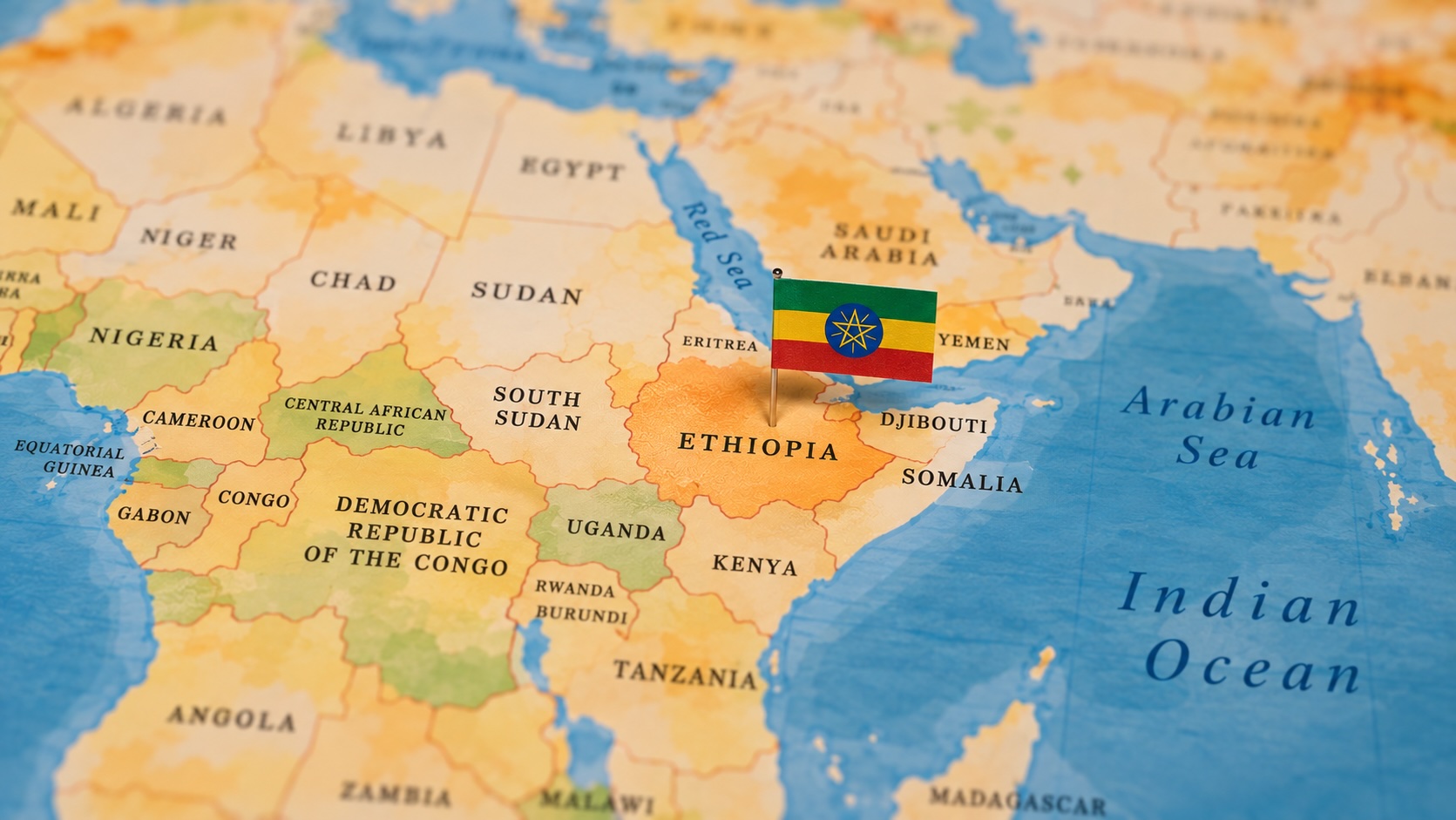
Ethiopian federal forces and allied militias have captured Mekelle, the capital of the Tigray region, after a rapid counteroffensive against the opposition alliance led by the Tigray People’s Liberation Front. Unlike earlier claims that pro-government forces had merely entered the city, the TPLF has now confirmed its withdrawal, saying the regional government will temporarily relocate. Reuters independently corroborated the change of control through a Mekelle resident, a humanitarian worker and a member of a pro-government militia. The capture represents the most important territorial reversal since the TPLF and allied groups launched their September 23 offensive against Prime Minister Abiy Ahmed’s government. Reuters Reuters — Ethiopian government forces seize Mekelle from Tigrayan rebelsAssociated Press — Federal forces retake Mekelle airport amid renewed Tigray war
How This Affects Ordinary People.
The immediate danger for Mekelle’s civilians is what happens after the takeover: residents have reported disrupted communications and services and fear looting, reprisals and renewed isolation, while commercial flights remain suspended after weeks of fighting around the city and its airport. The humanitarian stakes extend far beyond Mekelle because roughly one million people were still displaced by the devastating 2020–2022 Tigray war before this renewed conflict began. That earlier war killed hundreds of thousands through combat, hunger and disease, leaving communities particularly vulnerable to another interruption of food distribution, medical care, transportation and humanitarian access. The capture may reduce immediate fighting inside Mekelle if the TPLF continues withdrawing, but it could instead shift combat into rural areas and produce another prolonged insurgency. Reuters Reuters — Mekelle changes hands after rapid federal counteroffensive Associated Press — Residents fear renewed isolation after federal advance
Why This Matters.
Control of Mekelle fundamentally changes the military balance in northern Ethiopia. The TPLF has lost the political and administrative center of Tigray only days after launching what initially appeared to be a major challenge to the federal government, giving Addis Ababa an important battlefield victory. But the precedent from the previous war is cautionary: federal forces captured Mekelle in November 2020 only for Tigrayan fighters to retreat into the countryside, reorganize and recapture the city seven months later. The present crisis is potentially even more internationally dangerous because Ethiopia has severed diplomatic relations with Eritrea and accused Eritrea, Sudan and Egypt of supporting the TPLF-led alliance—allegations those governments deny. A TPLF retreat therefore does not necessarily end the conflict and could instead transform it into another insurgency amid increasingly volatile interstate tensions across the Horn of Africa. Reuters Reuters — Capture of Mekelle comes amid widening regional tensionsReuters — Eritrea cuts diplomatic ties with Ethiopia as regional crisis deepens
What Changed.
What changed is confirmation that Mekelle itself has now fallen: the TPLF has acknowledged withdrawing, its regional administration is relocating, and independent witnesses have confirmed that federal and allied forces control the capital. This moves the story from an advancing offensive to a confirmed transfer of control over Tigray’s political center and constitutes the most consequential battlefield development of the renewed war so far. Whether it produces a rapid TPLF collapse or another transition to guerrilla warfare remains uncertain, but the confirmed loss of Mekelle materially alters the conflict and crosses the alert threshold now. Reuters Reuters — TPLF confirms retreat as government forces take Mekelle Associated Press — Federal forces consolidate control around Mekelle