What Happened.
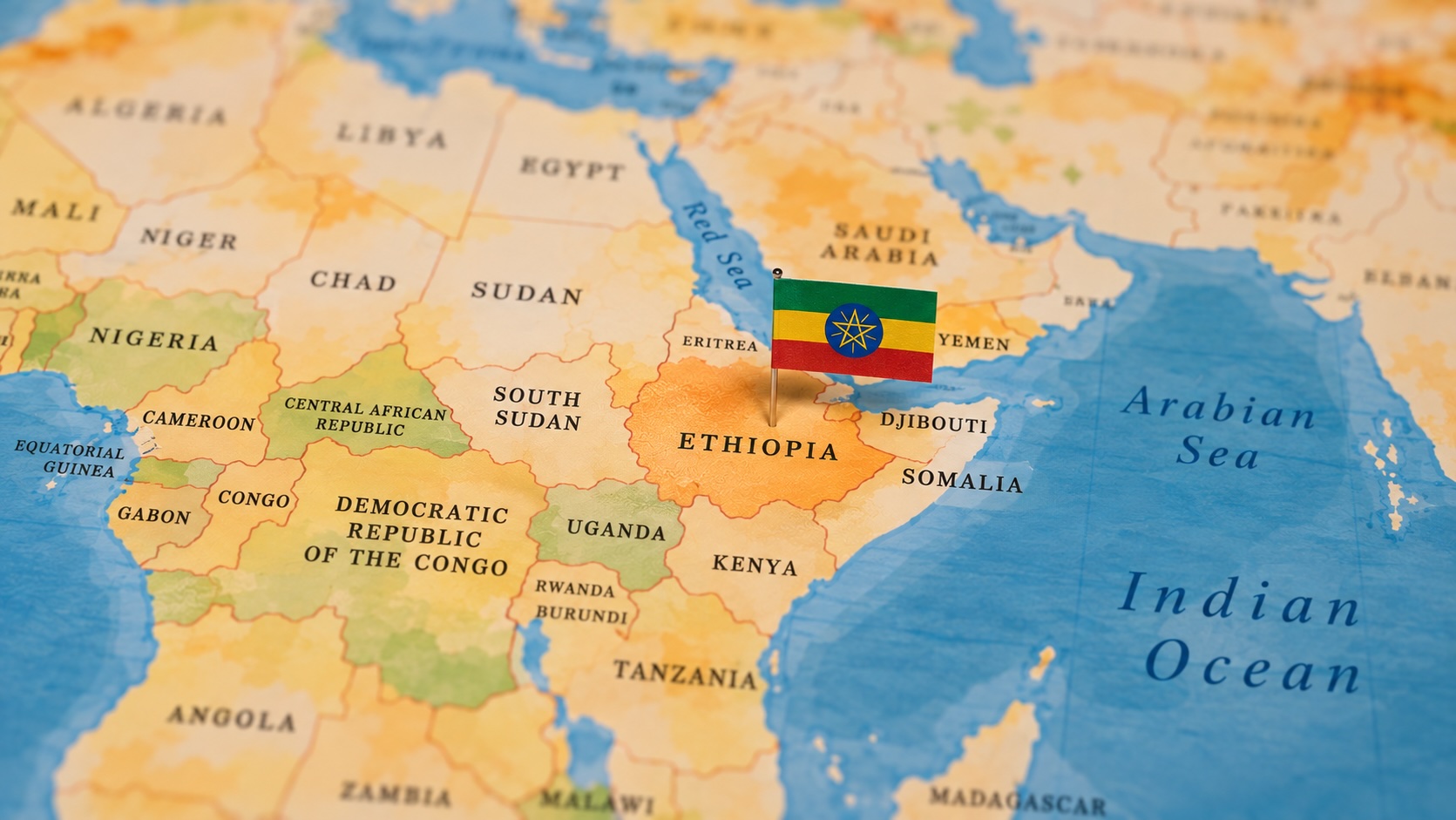
Seven Ethiopian armed groups have formed a new nationwide alliance whose stated objective is to remove Prime Minister Abiy Ahmed’s government and establish a transitional administration, bringing together several of Ethiopia’s most powerful—and previously hostile—insurgent movements. The Ethiopian Peoples’ Forces Alliance for Survival includes the Tigray People’s Liberation Front (TPLF), the Amhara Fano National Movement and the Oromo Liberation Army (OLA), alongside four smaller regional movements. TPLF Vice President Amanuel Assefa confirmed the alliance and its goal of removing the government. Federal authorities had not publicly responded as of early Monday. Reuters Reuters — Seven Ethiopian armed groups announce anti-government alliance AFP/Africanews — Ethiopia’s armed movements form alliance against federal government
How This Affects Ordinary People.
The immediate announcement has not itself produced new reported casualties, but it raises the danger of another large-scale Ethiopian war with potentially enormous civilian consequences. The 2020–2022 Tigray war killed an estimated hundreds of thousands of people, while current conflicts already affect Amhara and Oromia. Recent federal-Tigrayan clashes have included drone strikes, and the African Union says federal and Tigrayan forces have been massing troops near Tigray’s border. A coordinated conflict spanning Tigray, Amhara, Oromia and potentially several additional regions could expose civilians across much of Africa’s second-most-populous country to renewed displacement, hunger, disrupted healthcare and ethnic violence. Africanews AFP/Africanews — Troop buildups raise fears of renewed Ethiopian war Al Jazeera — Former adversaries unite as fears of expanding war grow
Why This Matters.
The alliance is remarkable because some of its most powerful members were enemies during Ethiopia’s previous civil war. Amhara Fano forces fought alongside Abiy’s federal army against the TPLF during the Tigray war; Amhara and Tigrayan forces still have unresolved territorial disputes. The OLA, meanwhile, has waged a separate insurgency in Oromia since 2018. Their decision to subordinate those differences—at least temporarily—to a common effort against Abiy potentially transforms several regional insurgencies into a coordinated national challenge. One regional specialist cautioned that the rebels may struggle against the federal government’s military and drone capabilities, but said coordinated operations could force Addis Ababa to confront four or five simultaneous fronts. Reuters Reuters — Former battlefield enemies unite against Ethiopia’s federal government AFP/Africanews — Coordinated rebels could confront government across multiple fronts
What Changed.
Ethiopia has already been experiencing separate conflicts in Tigray, Amhara and Oromia, and several opposition movements have discussed cooperation before. What changed is that seven armed movements have now formally created a joint alliance explicitly committed to removing the federal government—and the coalition includes both the TPLF and Fano, forces that fought on opposite sides of one of the world’s deadliest recent wars. The alliance’s actual military cohesion remains untested, and deep territorial and ideological disputes among its members could limit its effectiveness. But formal coordination among armed movements operating across several of Ethiopia’s largest regions substantially increases the possibility that localized insurgencies could converge into a renewed nationwide conflict, making this a significant change in Ethiopia’s stability and crossing the Global Story Watch threshold. Reuters Reuters — Seven-region alliance creates new challenge to Abiy government Al Jazeera — Ethiopia’s armed groups formally unite as war fears deepen