What Happened.
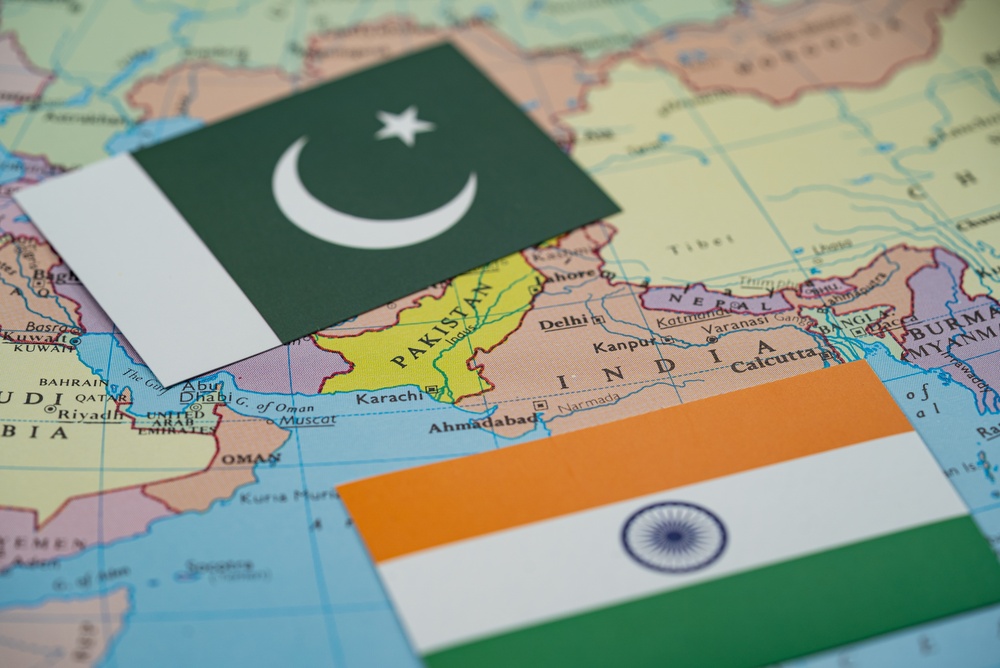
An Indian Navy warship and a Pakistani naval vessel collided in international waters in the northern Arabian Sea on September 15, prompting India to summon Pakistan’s top diplomat and lodge a formal protest. New Delhi says the Pakistani vessel approached a frontline Indian warship at high speed during a routine surveillance mission and accuses Pakistan of violating a 1991 bilateral agreement requiring the countries’ naval vessels and submarines to maintain safe separation. No major damage or casualties were reported. Pakistan has not yet publicly provided its account of the encounter, so responsibility for the collision cannot independently be established. Reuters Reuters — India protests to Pakistan after naval collision in Arabian Sea Associated Press — India summons Pakistan’s top diplomat following naval collision
How This Affects Ordinary People.
There were no reported casualties, but the significance for civilians lies in what an escalation between these two countries could become. India and Pakistan are nuclear-armed neighbors with a history of wars and recurring military crises, and their most recent direct conflict occurred only last year. That four-day confrontation followed the killing of 26 people, mostly tourists, in Indian-controlled Kashmir and escalated into retaliatory military action before a ceasefire was reached. The latest incident ended without serious damage, but close encounters between heavily armed naval vessels create opportunities for accidents, misinterpretation or retaliation that could rapidly affect millions of civilians on both sides. Reuters Reuters — Naval collision renews military tension between India and Pakistan Associated Press — Maritime confrontation follows last year’s India-Pakistan conflict
Why This Matters.
This is the first overt military confrontation between India and Pakistan since their four-day conflict in 2025, making an otherwise limited maritime collision geopolitically significant. The countries have not maintained ambassadors in each other’s capitals since 2019, and India says the latest encounter violated a longstanding bilateral mechanism specifically designed to prevent military accidents from becoming crises. New Delhi has now formally protested both in Delhi and Islamabad and demanded that Pakistani military units observe existing agreements. The fact that the confrontation occurred between operational naval forces in international waters adds a new maritime dimension to a rivalry more commonly centered on Kashmir and their land border. Al Jazeera Reuters — India says Pakistan violated military safety agreement during collision Al Jazeera — Naval incident marks first direct military tension since 2025 conflict
What Changed.
India-Pakistan relations have remained deeply strained since last year’s fighting, but what changed is that military units from the two nuclear-armed states have now physically collided for the first time since that ceasefire. There was no major damage, no exchange of fire and no indication yet that either government intends to escalate, which sharply limits the immediate danger. But India’s decision to summon Pakistan’s senior diplomat, accuse Pakistani forces of violating their military safety agreement and formally protest in both capitals elevates the episode beyond a routine maritime accident. The return of direct military friction after more than a year without an overt confrontation crosses the Global Story Watch threshold. Reuters Reuters — India formally protests first overt military confrontation since last year’s war Associated Press — India demands measures to prevent another naval encounter
Report timestamp: September 16, 2026, 9:28 AM CT