

What Happened
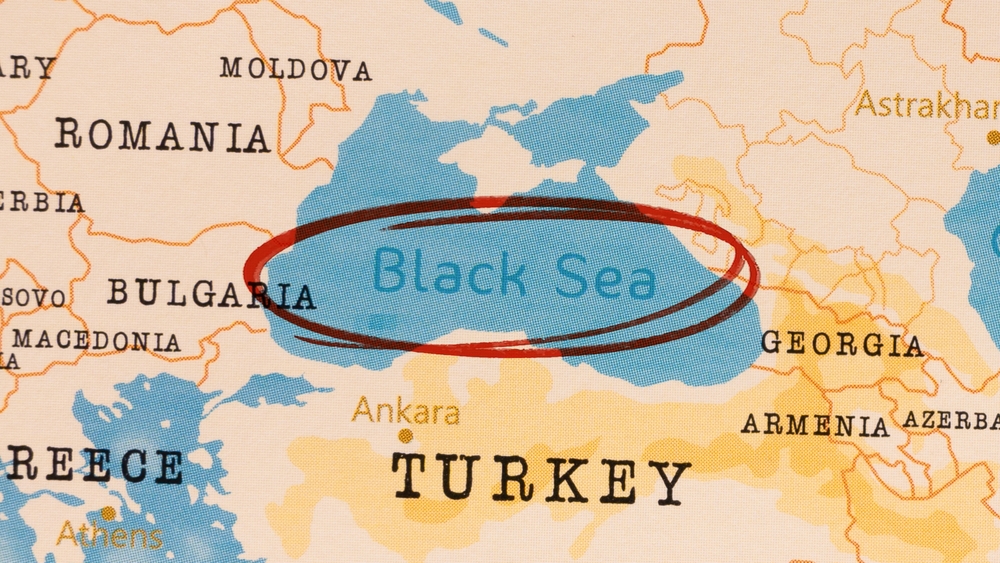
NATO announced Tuesday, October 20, that it will deploy additional maritime patrol aircraft, surveillance drones and radar systems to the Black Sea following a series of deadly attacks against commercial vessels near alliance territory. The decision followed an emergency meeting of NATO’s North Atlantic Council in Brussels, convened amid growing concerns that the war in Ukraine is spreading into international shipping routes. NATO military spokesperson Colonel Martin O’Donnell confirmed that member countries are also deploying intelligence specialists and forensic teams to investigate explosives used in recent attacks. At least seven commercial vessels have been struck near the coasts of Romania and Bulgaria in recent weeks, leaving at least 23 sailors dead or missing, with seven additional sailors reported missing following attacks on two chemical tankers last week. NATO has not formally attributed responsibility for the attacks, although military analysts strongly suspect Russian involvement. Moscow has not acknowledged responsibility. Reuters Reuters — NATO announces additional Black Sea military deploymentsAssociated Press — Drone attacks threaten shipping near NATO territory
How This Affects Ordinary People
The immediate beneficiaries of NATO’s expanded surveillance could be commercial sailors, port workers and coastal communities increasingly exposed to military attacks in what were previously considered relatively secure shipping corridors. Recent drone strikes have set commercial tankers ablaze, sunk cargo vessels and left families waiting for news of missing crew members. For Ukrainian farmers and exporters, the attacks threaten an essential commercial lifeline. Ukraine relies heavily on Black Sea and Danube shipping routes to export grain and other agricultural products, particularly to customers in Africa and the Middle East. Continued disruption could increase shipping insurance premiums, raise transportation costs and ultimately affect food prices in countries dependent on imported grain. Romanian and Bulgarian coastal communities also face growing risks from unauthorized drones, falling debris and possible damage to civilian infrastructure. Additional NATO surveillance may improve early detection and emergency responses, but the deployments do not guarantee that commercial vessels will be protected from future attacks. The Guardian Associated Press — Maritime attacks threaten civilians and commercial transportation The Guardian — Black Sea attacks endanger international grain shipments
Why This Matters
NATO’s decision represents a significant expansion of collective military activity in the Black Sea, demonstrating that the consequences of Russia’s war against Ukraine are increasingly becoming a direct security concern for the entire alliance. Romania, Bulgaria and Turkey are NATO members bordering the Black Sea, making the region strategically important to European security and international commerce. The alliance has already strengthened defenses along its eastern frontier, but the latest attacks have exposed vulnerabilities involving commercial shipping and increasingly sophisticated drone technology. The additional aircraft, drones and radar systems should improve NATO’s ability to identify threats, monitor suspicious military activity and coordinate defensive responses. However, a greater concentration of military aircraft and surveillance equipment also increases the possibility of encounters involving Russian forces. The central geopolitical danger is miscalculation: an attack that kills civilians or military personnel inside NATO territory could generate pressure for a substantially stronger response. For now, the alliance’s announced measures remain defensive, and there is no indication that NATO has authorized offensive operations against Russian forces. Reuters Reuters — NATO strengthens Black Sea security operationsNATO — Existing eastern-flank defense commitments
What Changed
The decisive new development is Tuesday’s formal NATO decision to send additional military surveillance assets into the Black Sea, converting earlier diplomatic consultations and requests for assistance into a coordinated alliance response. Previous Global Story Watch reporting documented Romania’s October 17 destruction of two advanced attack drones inside its territorial airspace, as well as the growing number of attacks against commercial vessels near NATO territory. Bulgaria subsequently requested additional NATO combat aircraft and counter-drone systems, while Romania called for alliance-level discussions. Until Tuesday, those developments had primarily produced warnings, diplomatic consultations and national defensive actions. The North Atlantic Council has now agreed to strengthen surveillance capabilities across the region, with additional aircraft, drones, radar systems and investigative personnel. The alert threshold has been crossed because NATO has moved from assessing the expanding maritime threat to authorizing a tangible multinational military response in a strategically important region bordering an active war. This does not constitute NATO’s entry into the Russia-Ukraine conflict, but it materially changes the alliance’s operational posture and establishes a new level of collective involvement in protecting Black Sea security. Reuters Reuters — October 20 decision establishes the new military response Reuters — Bulgaria’s earlier request for NATO assistance Reuters — Romania’s drone interceptions and emergency NATO consultations