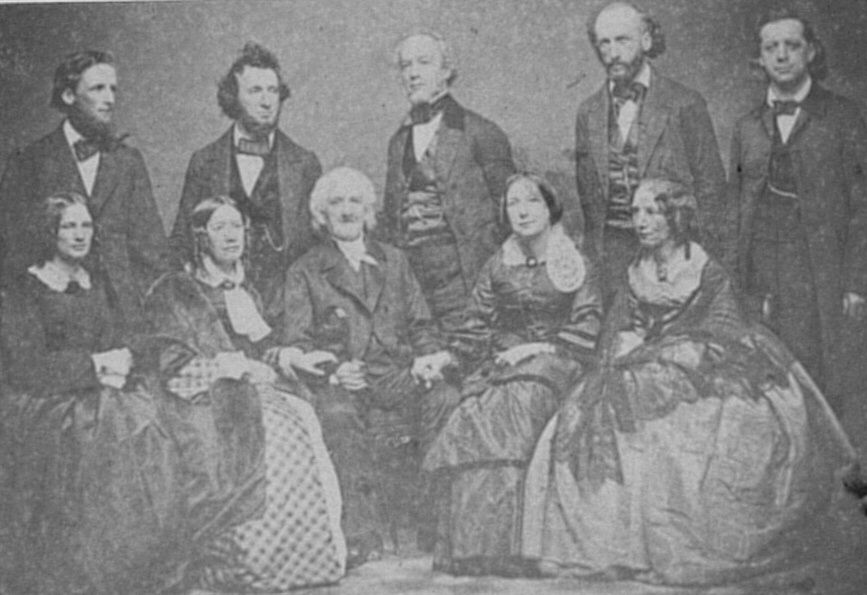
The Beecher family became one of the most influential families in nineteenth-century America, standing at the crossroads of revival religion, education, abolitionism, women’s rights, and moral reform. More than any other family, they embodied the spirit of the Second Great Awakening and demonstrated how religious revival could transform not only individual lives but an entire nation’s culture. Their influence spread through churches, schools, books, newspapers, and public lectures, helping create what historian Mark Noll has called America’s emergence as a “Bible civilization” or “Bible society.” The Beechers believed that Christianity demanded active engagement with society. Faith was not merely about preparing for heaven—it was about reshaping America into a more righteous nation.
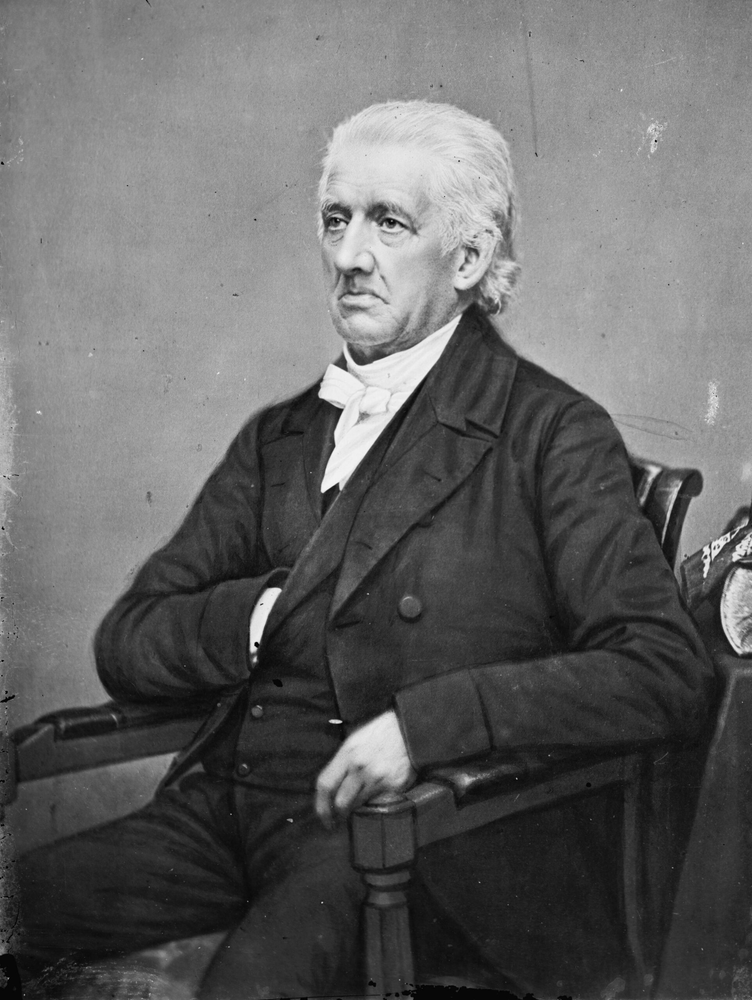
The family’s patriarch, Lyman Beecher, was one of the most famous Presbyterian ministers of his generation. Born in Connecticut in 1775, Beecher rose to prominence during the early decades of the nineteenth century as one of the leading voices of the Second Great Awakening. Unlike the emotional frontier camp meetings associated with revivalists such as Charles Grandison Finney, Lyman Beecher represented the more educated and organized wing of the movement. His sermons combined passionate appeals for repentance with intellectual arguments rooted in Calvinist theology. He believed America stood in a unique covenant with God and that its future depended upon the moral character of its people.
Beecher’s greatest concern was that America’s expanding democracy and frontier culture might descend into chaos unless guided by Christian principles. He therefore viewed revivals not as isolated religious experiences but as engines of social stability. Every converted heart strengthened the republic. Every new church, Sunday school, and Bible society helped preserve liberty by cultivating virtue. This conviction became one of the defining assumptions of antebellum Protestantism.
Lyman Beecher also helped launch many of the reform organizations that flourished during the Second Great Awakening. He vigorously supported temperance, arguing that alcohol destroyed families, impoverished workers, and encouraged crime. His famous Six Sermons on Intemperance became one of the foundational texts of the temperance movement. He also encouraged missionary societies, educational institutions, and organizations dedicated to spreading Bibles throughout America. These voluntary associations became one of the hallmarks of antebellum culture. Ordinary Christians increasingly believed they possessed both the responsibility and the ability to improve society through organized action.
The Beecher children expanded their father’s influence into nearly every major reform movement of the nineteenth century. Among them was Catharine Beecher, who devoted her life to improving education for women. While she did not embrace the more radical calls for political equality advanced by later feminists, Catharine argued that women possessed unique moral gifts that made them especially suited to educate children and shape the nation’s character. She founded schools, trained teachers, and wrote widely read educational manuals that elevated teaching into one of America’s most respected professions. Through education, she believed women could profoundly influence the moral future of the republic.
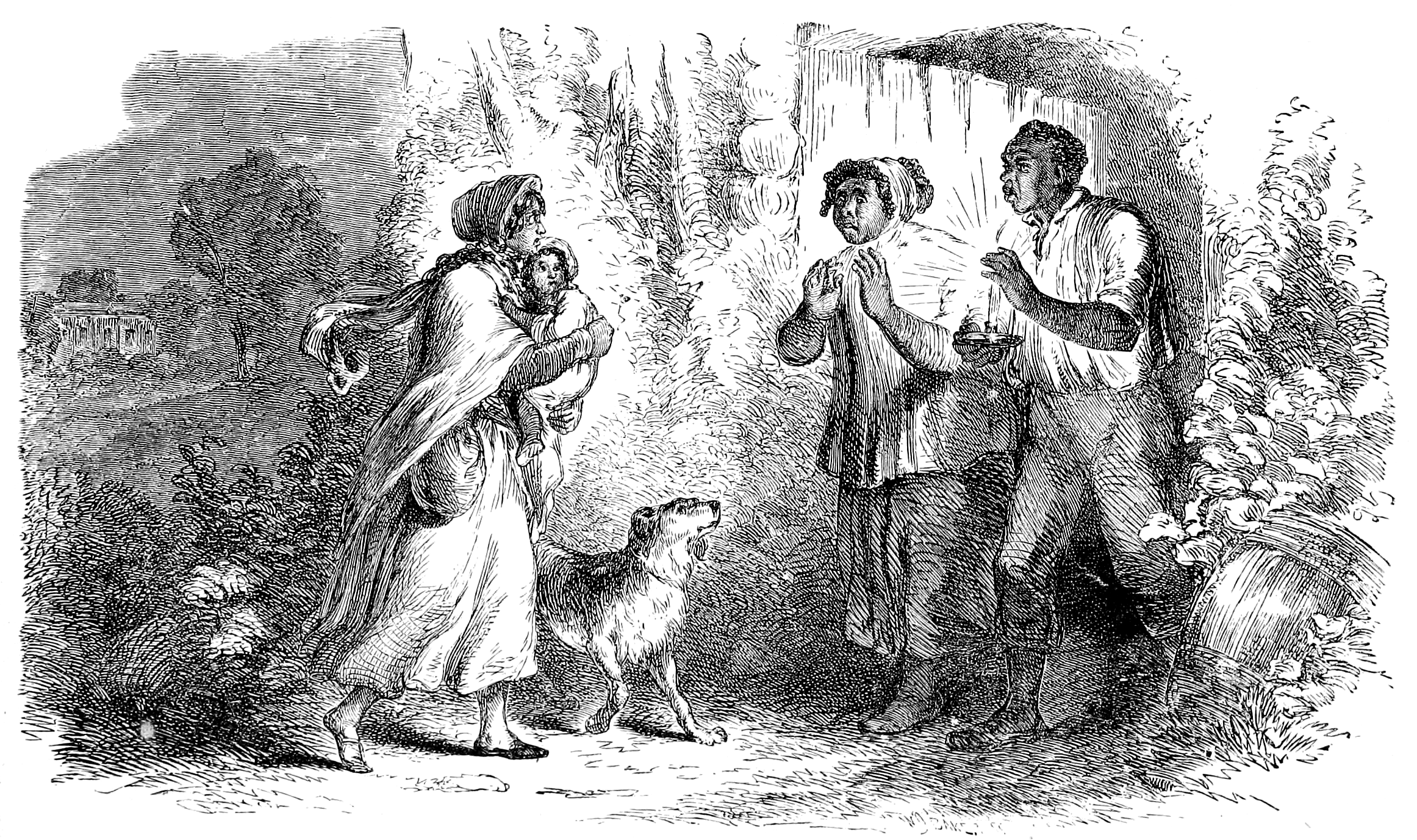
Another daughter, Harriet Beecher Stowe, carried the family’s reforming zeal into the battle against slavery. After years of hearing antislavery sermons and witnessing the human suffering caused by slavery, she wrote Uncle Tom’s Cabin in 1852. The novel became an international sensation, selling hundreds of thousands of copies within its first year. By portraying enslaved families as fully human, loving, and deeply Christian, Stowe challenged many Northern readers to confront the moral evil of slavery. Rather than presenting abstract political arguments, she appealed directly to readers’ consciences and emotions. Her work illustrated one of the central characteristics of the Second Great Awakening: the conviction that genuine Christian faith demanded moral action against injustice.
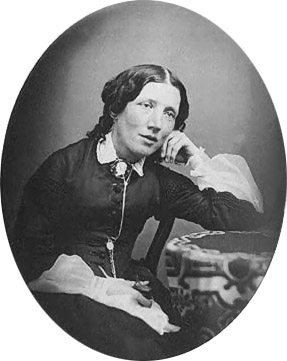
Harriet Beecher Stowe’s novel also demonstrated how deeply biblical language had become woven into American public life. Characters quoted Scripture, debated theology, and appealed to divine justice. Readers who encountered the novel generally possessed enough biblical literacy to understand its many references. This reflected the broader culture created by the revivals. As Mark Noll has argued, nineteenth-century America increasingly became a society in which public debates, political speeches, newspapers, and reform movements all assumed widespread familiarity with the Bible. Americans did not merely own Bibles in unprecedented numbers; they interpreted nearly every major public question through biblical categories.
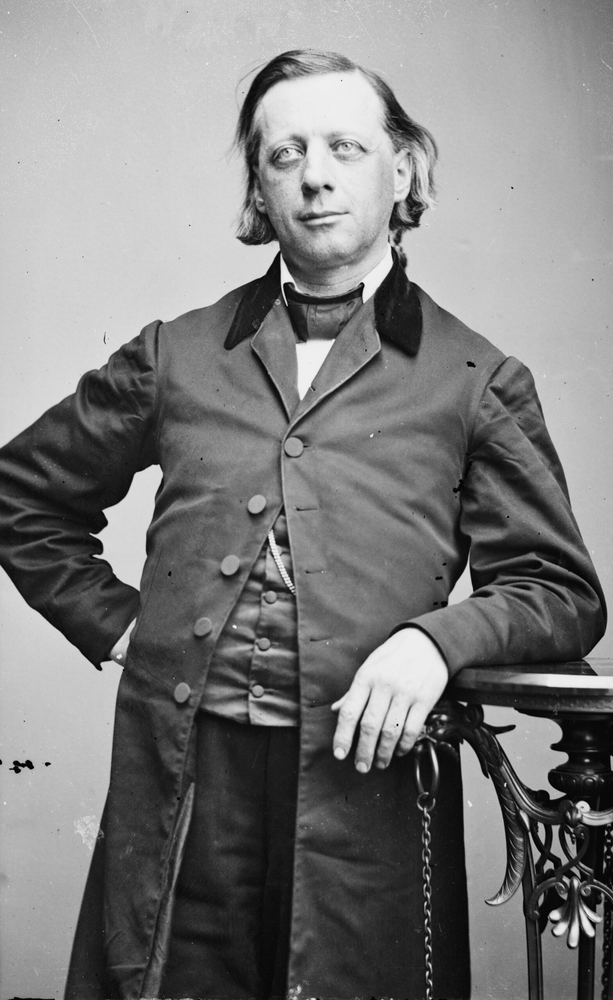
Perhaps the family’s most famous preacher after Lyman was his son, Henry Ward Beecher. Serving a large congregation in Brooklyn, Henry became one of America’s most celebrated ministers. His sermons attracted thousands, while his published writings reached countless more readers. Although he possessed a warm and optimistic theology that differed from his father’s stricter Calvinism, he retained the family’s conviction that Christianity should transform society. He became one of the nation’s leading abolitionists, denouncing slavery as incompatible with the gospel. During the 1850s he even helped raise money to send rifles—known jokingly as “Beecher’s Bibles”—to antislavery settlers fighting in Kansas, illustrating how moral conflict over slavery increasingly escalated into armed confrontation.
The Beecher family’s story also reveals one of the unintended consequences of the Second Great Awakening. The same biblical convictions that inspired reform movements also intensified national division. Revival preachers taught that every person must choose between righteousness and sin. As reformers increasingly applied this framework to political issues, compromise became more difficult. Temperance advocates viewed alcohol not merely as a social problem but as a moral evil. Abolitionists came to see slavery not simply as an unfortunate institution but as a national sin demanding immediate repentance. Southern Christians, meanwhile, defended slavery using their own biblical interpretations, producing fierce theological debates that divided churches along sectional lines.
By the 1850s, many of America’s largest Protestant denominations had fractured over slavery. Presbyterians, Methodists, and Baptists split into Northern and Southern branches. What had begun as a religious revival increasingly became a source of political polarization. Americans who believed deeply in biblical authority often reached radically different conclusions about the nation’s greatest moral crisis. Yet both sides framed their arguments in the language of Scripture, demonstrating just how completely the Bible had shaped American public discourse.
The Beecher family stood at the center of this remarkable transformation. Through preaching, education, literature, and reform, they helped define the moral culture of antebellum America. Their influence reached millions of Americans and inspired countless movements dedicated to improving society. At the same time, their passionate commitment to biblical morality contributed to the growing righteous indignation that made peaceful compromise over slavery increasingly impossible. In many ways, the Beechers exemplified both the greatest achievements and the deepest tensions of the Second Great Awakening. They helped create a nation that increasingly measured itself against biblical ideals, even as disagreement over those very ideals drove the United States toward the Civil War.