
The Second Great Awakening was one of the most influential religious movements in American history. Sweeping across the United States between roughly 1790 and 1845, it transformed the nation’s moral imagination and reshaped its politics, culture, and social reform movements. More than a series of emotional revivals, it changed how ordinary Americans understood authority, morality, and their role in society. According to historian Mark Noll, the movement helped turn the United States into a “Bible civilization” or “Bible society,” a nation in which Scripture became the common language through which nearly every important public issue was debated. Ironically, the very movement that inspired remarkable efforts toward moral reform also deepened the divisions that would eventually erupt into the Civil War.
The Second Great Awakening differed significantly from the First Great Awakening of the eighteenth century. While the earlier revivals emphasized the sovereignty of God and humanity’s dependence on divine grace, the later movement stressed individual responsibility. Charismatic preachers traveled from town to town holding revival meetings where listeners were urged to make an immediate decision for Christ. Religion became intensely personal, emotional, and practical. Salvation was presented not merely as a theological doctrine but as an urgent choice each individual had to make.
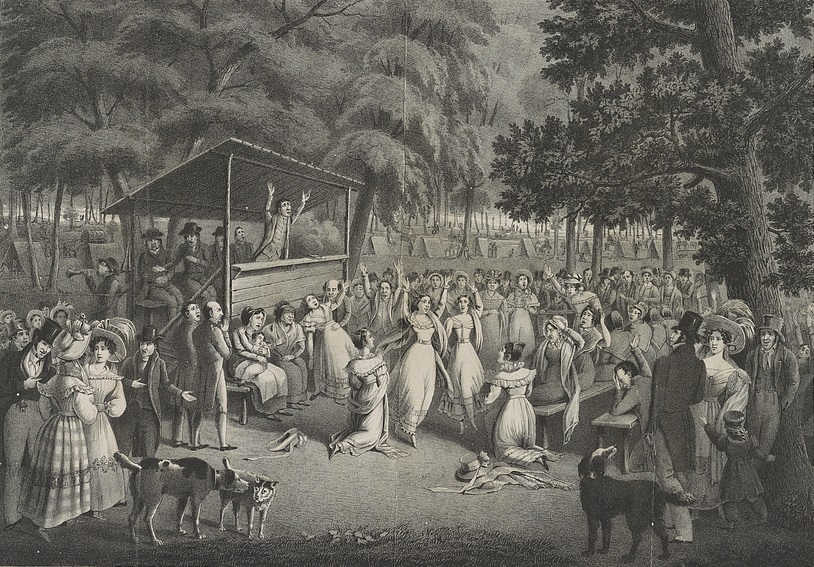
This emphasis fit naturally within the spirit of the young American republic. The same democratic ideals that encouraged citizens to govern themselves politically also encouraged them to take responsibility for their own spiritual lives. Ordinary men and women increasingly believed they could help transform not only themselves but also the nation around them. If individuals could be converted, communities could be reformed, and if communities could be reformed, America itself could become a more righteous nation.
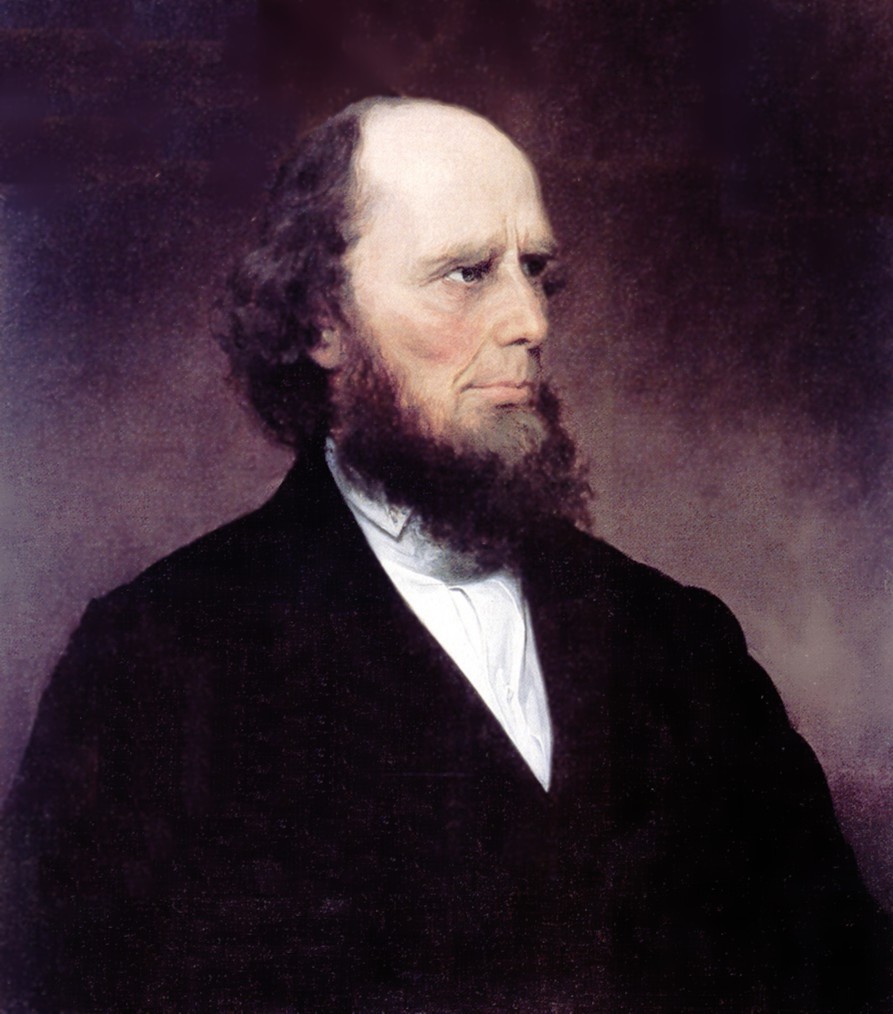
No figure better represented this new approach than Charles Grandison Finney. Rejecting the older Calvinist emphasis on predestination, Finney argued that revival was not simply an act of God but could be encouraged through intentional methods of preaching, prayer, and public invitation. His famous “new measures” included extended revival meetings, public calls for repentance, and direct appeals to the conscience. Finney believed Christians had both the ability and the obligation to improve society by confronting sin wherever it appeared.
These revivals dramatically increased Bible reading. The rapid spread of inexpensive printing, combined with organizations such as the American Bible Society, placed millions of Bibles into American homes. Literacy increased, family devotions became more common, and Scripture became the shared moral vocabulary of the nation. Whether discussing politics, education, family life, or economics, Americans increasingly framed their arguments in biblical terms.
Noll argues that nineteenth-century America became, in many respects, a Bible society. Americans from virtually every region and denomination accepted the Bible as the highest moral authority. Politicians quoted it. Newspaper editors cited it. Reformers appealed to it. Even people who disagreed profoundly with one another usually assumed that the Bible would ultimately settle the argument.
This widespread reverence for Scripture produced extraordinary energy for reform. Inspired Christians organized movements promoting temperance, prison reform, public education, missionary work, and care for the poor. Women assumed increasingly prominent roles in voluntary organizations, Sunday schools, and charitable societies. Although many still lacked political rights, they exercised enormous influence through religious activism, helping shape the moral character of countless communities. Americans increasingly believed that faith demanded visible action rather than merely private belief.
Yet the same biblical culture that united Americans also intensified their disagreements. Because nearly everyone accepted Scripture as authoritative, political debates became moral debates. Questions that might once have been viewed as matters of policy were increasingly treated as questions of righteousness and sin. Opponents were no longer merely mistaken; they were believed to be resisting God’s will.
No issue demonstrated this more dramatically than slavery.
The abolitionist movement drew enormous strength from the evangelical revival tradition. Leaders such as William Lloyd Garrison insisted that slavery violated the clear teachings of Scripture concerning the dignity of every human being. Many revival converts concluded that genuine Christian faith required immediate opposition to human bondage. They viewed slavery not simply as an unfortunate institution but as a national sin demanding repentance.
Southern Christians responded with equal confidence that the Bible supported their position. They pointed to passages regulating slavery in both the Old and New Testaments and argued that Scripture nowhere explicitly condemned the institution itself. Ministers throughout the South preached sermons defending slavery as compatible with biblical teaching and even essential to maintaining social order.
Mark Noll has argued that this revealed a profound weakness in America’s Bible-centered culture. Because both sides shared the same commitment to biblical authority but employed different methods of interpretation, they found themselves unable to persuade one another. Instead of producing consensus, the Bible became the central battlefield upon which the nation’s greatest conflict was fought.
The result was increasing moral polarization. Revival preaching encouraged believers to distinguish sharply between righteousness and wickedness, conversion and rebellion, obedience and sin. That moral clarity inspired remarkable courage and conviction, but it also made compromise increasingly difficult. As sectional tensions grew during the 1840s and 1850s, Americans often interpreted political disagreements through absolute moral categories. Each side became convinced that it stood on God’s side of history.
The Second Great Awakening therefore left a complicated legacy. It expanded churches, increased literacy, strengthened voluntary associations, encouraged charitable reform, and gave millions of Americans a vibrant personal faith. It also helped create a culture in which biblical language dominated public life and moral questions carried unprecedented political weight. By making America a Bible society, it elevated Scripture to the center of national debate. Yet because Americans increasingly read that same Bible through opposing sectional and ideological lenses, the movement also contributed to the righteous indignation that hardened divisions over slavery. In doing so, the Second Great Awakening helped shape both the nation’s greatest moral achievements and the tragic path that ultimately led to the Civil War.
This post is part of our collection and series The Empire: A 250 Year American Story. Each week for the duration of 2026, new episodes will release, telling the unique, complex, and fascinating story of America’s history.