
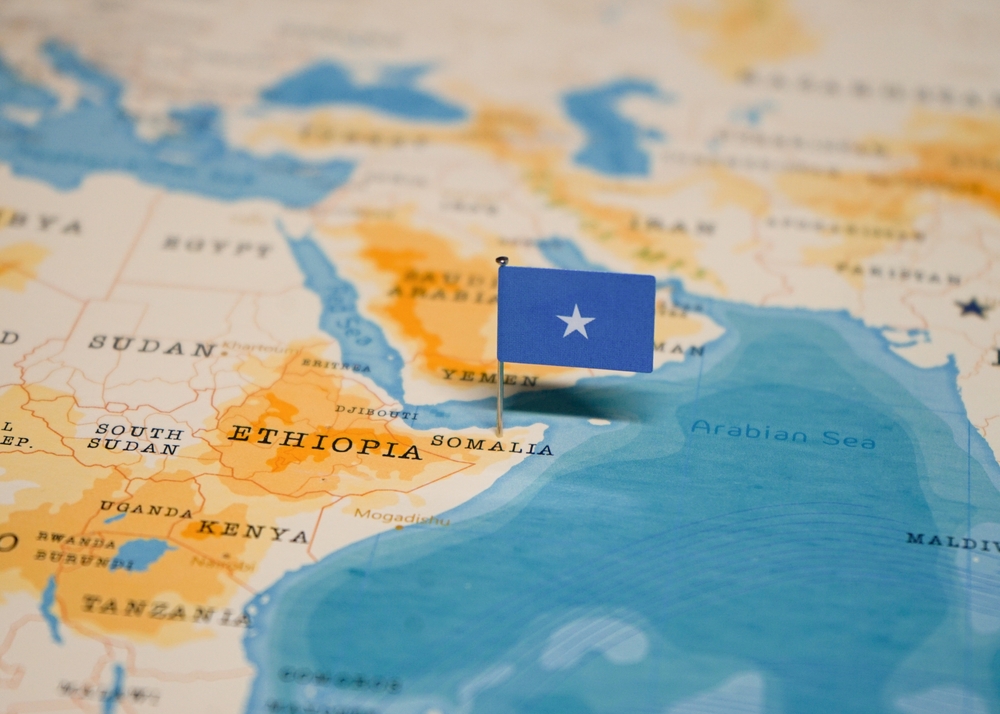
What happened: The World Food Programme says 6 million people in Somalia are now facing acute food insecurity, while the agency has only about one-tenth of the resources it had during the 2022 famine scare. WFP chief Carl Skau told the Associated Press on August 20 that the agency is now able to provide only the most basic assistance to the worst-hit children. (AP News)
Human cost: About 1.9 million children under five are projected to suffer acute malnutrition this year, including nearly 500,000 children requiring urgent treatment for severe acute malnutrition. Health and nutrition centers are already overwhelmed, while drought, conflict and displacement continue to drive families from their homes. (AP News)
Why it matters: Somalia has been close to famine before, but the dangerous change is the weakening of the system that previously prevented it. In 2022, international aid helped avert a declared famine. Today, WFP says it has only a fraction of those resources even though roughly one-third of Somalia’s population is acutely hungry and nearly 2 million people are at emergency hunger levels. (AP News)
The crisis is being compounded by drought, al-Shabaab violence, displacement and sharply reduced international aid funding. WFP and other U.N. agencies have already identified famine risk in parts of the country. (World Food Programme)
What changed: The overall hunger emergency is not new. The alert-worthy development is that the humanitarian response is now operating at roughly one-tenth of its 2022 resource level while millions remain in severe need—substantially reducing the international community’s ability to prevent the crisis from tipping into famine. (AP News)