
What Happened
The energy shock has moved beyond crude oil into the refined fuel that keeps much of the physical economy running. Asian diesel refining margins surged above $87 a barrel on September 16, an all-time record and roughly four times their pre-war level of about $22. Europe is simultaneously dealing with diesel and jet-fuel inventories near multi-year lows, while Russia has restricted exports after attacks shut additional refinery capacity. The strain is now spreading into emerging economies: Ghana has cut fuel exports to Burkina Faso and Mali to protect domestic supplies, while Brazilian independent importers are delaying diesel purchases because international prices have risen so far above domestic prices. Reuters Reuters: Asian diesel margins reach an all-time record | Reuters: Russian refinery outages deepen fuel-supply problems
How This Affects Ordinary People
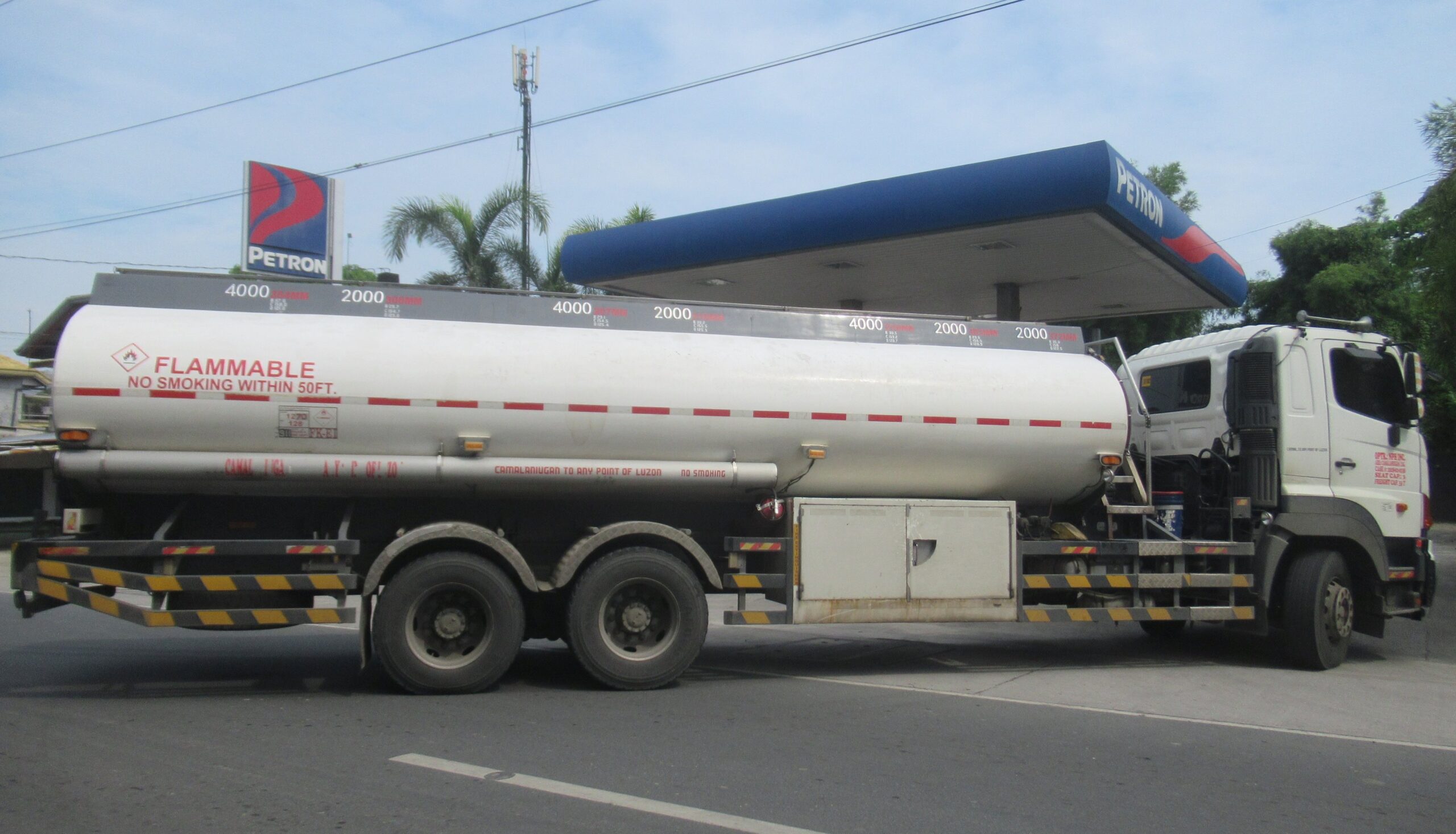
Diesel matters disproportionately because it powers trucks, farm equipment, construction machinery, ships and large portions of industrial production. A sustained diesel shortage therefore raises costs throughout the supply chain rather than simply at filling stations. Brazil is already seeing localized delivery problems during its critical agricultural planting season, while landlocked Burkina Faso and Mali are receiving substantially less fuel from Ghana than requested. In the United States, diesel has climbed above $6 per gallon and is roughly 70% more expensive than a year ago. These costs can eventually appear in grocery bills, freight charges, construction costs and prices for manufactured goods even for households that never purchase diesel directly. Reuters Reuters: Brazil’s diesel market comes under growing strain | Reuters: Ghana restricts exports to protect domestic fuel supplies | Reuters: U.S. diesel rises above $6 a gallon
Why This Matters
The more troubling development is evidence that the world’s ability to absorb additional energy disruptions is diminishing. Senior executives at Shell and Equinor warned Wednesday that the market’s traditional “shock absorbers” are weakening after months of inventory drawdowns, rerouted cargoes and alternative supplies. Reuters reports that roughly 1.6 billion barrels of crude oil and condensates and 36 million metric tons of LNG have been lost to the market since the Middle East conflict began in February. Europe enters the coming winter with low gas inventories, while continued uncertainty over Hormuz threatens LNG as well as petroleum. That means another major supply disruption could now have a considerably larger economic impact than a similar disruption earlier in the crisis. Reuters Reuters: Shell and Equinor warn that global energy shock absorbers are weakening
What Changed
Today’s evidence shows why that did not resolve the larger energy problem. The pressure has migrated downstream into diesel and other refined products, with record Asian refining margins, Russian refinery shutdowns, European shortages and fuel-export restrictions beginning to appear in Africa. In other words, the global story has changed from “Saudi rerouting may prevent the oil shock from becoming substantially worse” to “even with crude barrels being rerouted, the world’s capacity to turn crude into the fuels the economy actually consumes is becoming a bottleneck.” That distinction is important enough to warrant a new alert because refined-fuel shortages transmit directly into transportation, agriculture and consumer inflation—and could make the renewed global interest-rate tightening reported earlier today harder to reverse. Reuters Reuters: Record diesel margins reveal the new bottleneck | Reuters: Additional Russian refineries shut after attacks | Reuters: Energy markets have less capacity to absorb another shock