

Few figures in American history embody the triumph of courage, intellect, and perseverance more completely than Frederick Douglass. Born into slavery around 1818 on Maryland’s Eastern Shore, Douglass rose from bondage to become one of the nineteenth century’s most influential writers, speakers, and reformers. His life demonstrated that the human spirit could overcome extraordinary oppression, while his Christian faith gave him a moral framework from which he condemned slavery as a profound sin against both God and humanity.
Douglass never knew his exact birth date, a painful reminder of how slavery stripped people of even the most basic elements of identity. Separated from his mother as an infant, he experienced the cruelty and uncertainty that defined plantation life. As a young boy he was sent to Baltimore, where his enslaver’s wife briefly taught him to read before being ordered to stop. Her husband insisted that literacy would make an enslaved person “unfit to be a slave.” Instead, the prohibition only strengthened Douglass’s resolve. Secretly teaching himself to read, he later realized that education was the key that would eventually unlock his freedom.
In September 1838, Douglass carried out a daring escape. Disguised as a free Black sailor and carrying borrowed identification papers, he boarded trains and steamboats bound for the North. Every stop carried the risk of discovery and capture. After an anxious journey, he reached New York City, where he finally experienced freedom. Soon afterward, he married Anna Murray, a free Black woman who had supported his escape, and together they settled in Massachusetts.
Douglass quickly emerged as one of the abolitionist movement’s most compelling voices. His remarkable intellect, commanding presence, and firsthand testimony captivated audiences throughout the United States and Great Britain. In 1845 he published Narrative of the Life of Frederick Douglass, an American Slave, one of the most influential autobiographies ever written. The book exposed the brutality of slavery to readers around the world while establishing Douglass as one of America’s greatest writers.
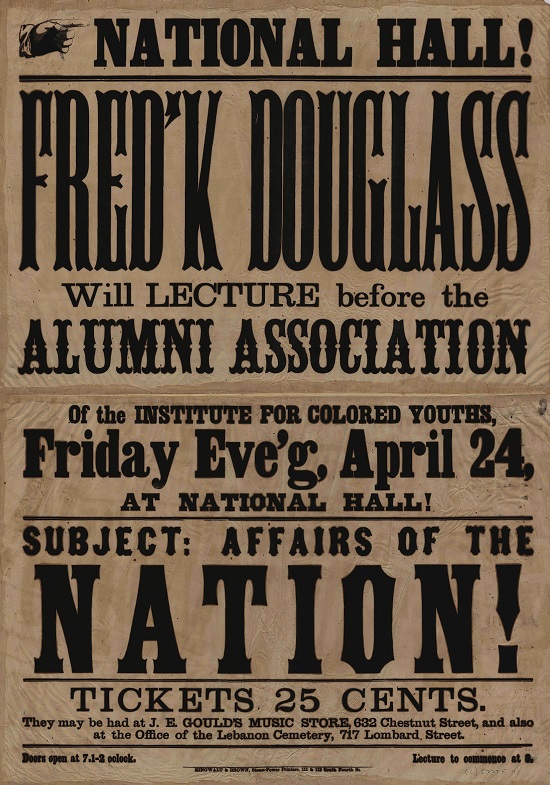
Throughout his life, Douglass’s Christian faith shaped his understanding of justice and human dignity. He believed every person was created in the image of God and therefore deserved freedom and equal treatment. Yet he fiercely condemned those who used Christianity to defend slavery. In one of the most famous passages of his autobiography, he wrote, “I love the pure, peaceable, and impartial Christianity of Christ: I therefore hate the corrupt, slaveholding, women-whipping, cradle-plundering, partial and hypocritical Christianity of this land.” To Douglass, slavery was not simply a political failure—it was a moral rebellion against the teachings of Jesus Christ.
During the Civil War, Douglass became an important advisor to President Abraham Lincoln. He urged Lincoln to transform the conflict into a war for emancipation and passionately advocated for the enlistment of Black soldiers into the Union Army. After the war, he continued fighting for equal citizenship, voting rights, education, and justice for formerly enslaved people. He also championed women’s suffrage, believing that the God-given rights of liberty belonged equally to all people.
Douglass’s speeches remain among the most powerful in American history. In his famous address, What to the Slave Is the Fourth of July?, he exposed the contradiction between America’s celebration of liberty and its acceptance of slavery, declaring, “This Fourth of July is yours, not mine. You may rejoice, I must mourn.” His words pierced the conscience of a nation.
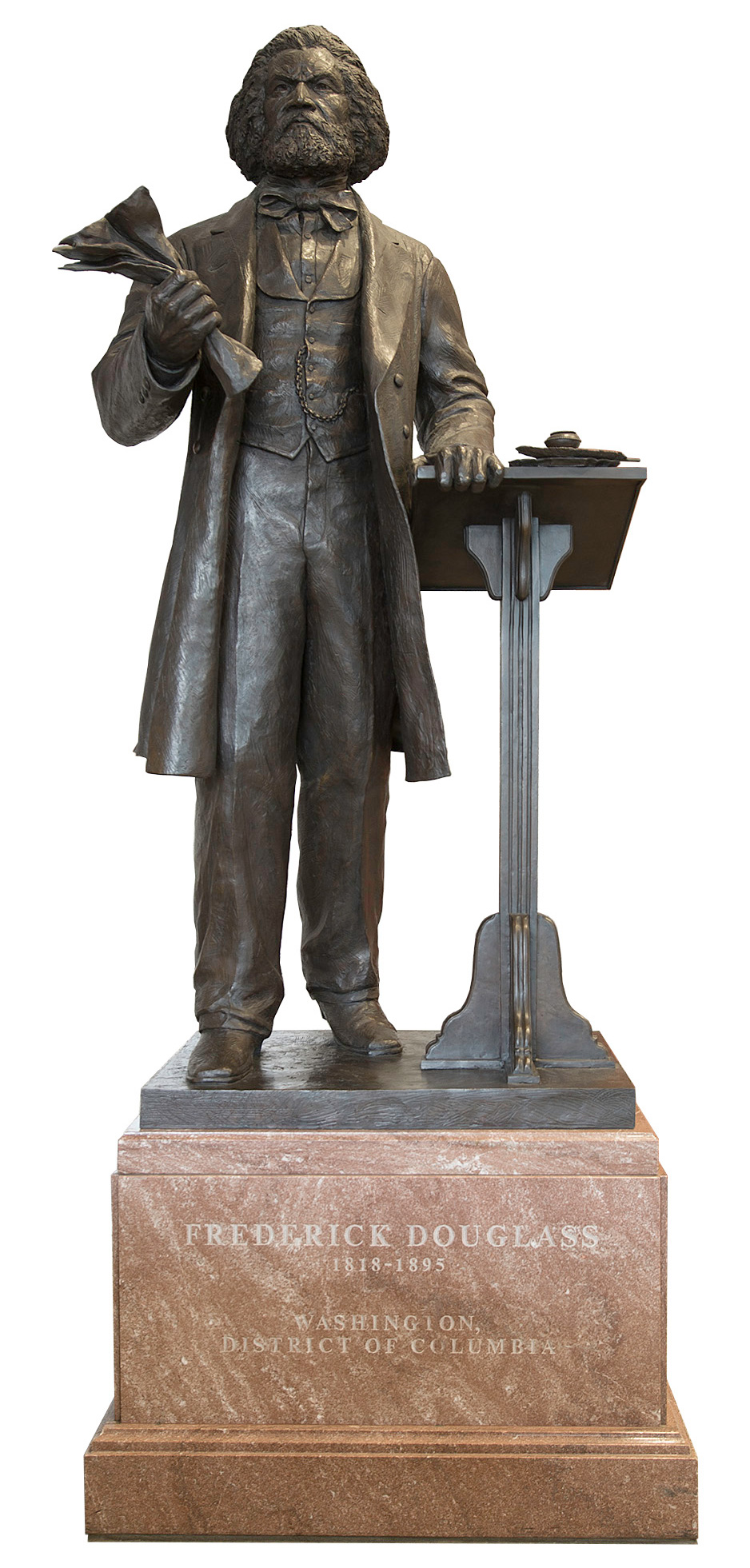
His conviction that justice requires courageous action is captured in another enduring statement: “Power concedes nothing without a demand. It never did and it never will.” That principle became a rallying cry not only for abolitionists but for generations of civil rights leaders who followed.
Douglass also reminded Americans that meaningful change always requires sacrifice, declaring, “If there is no struggle, there is no progress.” These words reflected both his personal journey from slavery to freedom and his biblical belief that perseverance through suffering ultimately produces hope and righteousness.
When Frederick Douglass died in 1895, he had lived one of the most extraordinary lives in American history. Born into slavery, he became an internationally respected author, newspaper editor, diplomat, and reformer. Guided by an unwavering faith in God’s justice and the equal worth of every human being, Douglass challenged America to live up to its highest ideals. His life remains a powerful testimony that true Christianity stands with the oppressed, confronts evil without compromise, and proclaims that freedom is both a God-given gift and a cause worth every sacrifice.