
When Abraham Lincoln entered the White House in March 1861, he inherited not only a nation on the brink of civil war but also a cabinet filled with men who believed they were better qualified to be president than he was. Many had greater political experience, finer educations, stronger family pedigrees, and far more prestigious reputations. They viewed Lincoln as an unsophisticated frontier lawyer whose election was little more than a political accident.
Yet, as Doris Kearns Goodwin masterfully recounts in Team of Rivals, Lincoln accomplished something extraordinary. Rather than surrounding himself with loyal followers who would merely echo his opinions, he deliberately assembled the strongest personalities within the Republican Party—even those who had bitterly opposed him for the presidential nomination. Through patience, humility, political wisdom, and remarkable emotional intelligence, Lincoln transformed rivals into partners and, eventually, admirers.
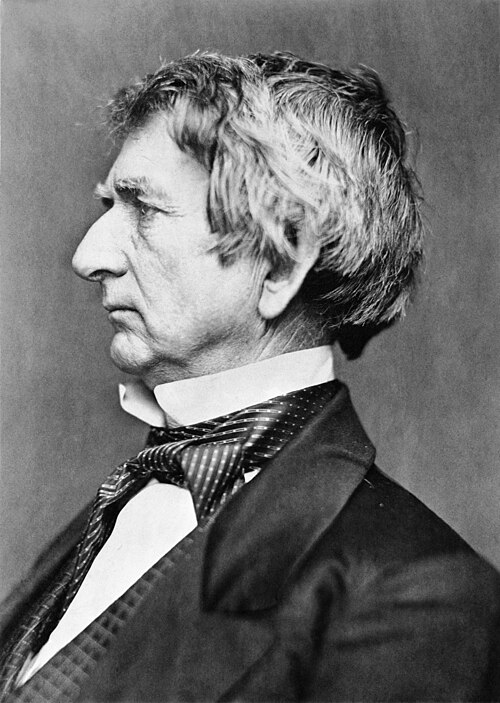
The most formidable of these men was William H. Seward. Before Lincoln’s nomination, Seward was considered the inevitable Republican candidate for president. He was the nation’s most famous antislavery politician and expected to win easily. When Lincoln emerged victorious instead, Seward regarded him as an inexperienced provincial who would require guidance. In fact, shortly after Lincoln took office, Seward privately suggested that he, rather than the president, should effectively direct the administration’s policies. Lincoln responded without anger or humiliation. Instead, he quietly asserted his authority while allowing Seward to preserve his dignity. Over time, Seward came to recognize Lincoln’s political brilliance and became one of his most loyal and trusted advisers.

Equally ambitious was Salmon P. Chase. Chase possessed an enormous ego and believed throughout much of Lincoln’s presidency that he himself would make the superior chief executive. Even while serving in the cabinet, Chase frequently maneuvered behind the scenes to position himself as Lincoln’s successor. His self-promotion frustrated many within the administration, yet Lincoln tolerated it far longer than most presidents would have. He understood Chase’s immense value as Secretary of the Treasury, where he successfully financed the Union war effort through innovative bond sales, banking reforms, and the creation of a national banking system. Lincoln often joked about Chase’s ambition rather than allowing it to poison their working relationship. Eventually, when Chase’s political maneuvering became too disruptive, Lincoln accepted his resignation—but soon afterward appointed him Chief Justice of the United States, recognizing both his abilities and the broader needs of the nation.

Then there was Edward Bates, the elder statesman of the cabinet. Bates represented the conservative wing of the Republican coalition and came from a distinguished background in Missouri. Although initially skeptical of Lincoln, Bates provided stability and legal counsel during the war’s early years. His more cautious temperament frequently contrasted with the urgency of the conflict, but Lincoln valued having differing perspectives represented within his administration.
The cabinet also included Montgomery Blair, whose politically influential family often found itself embroiled in controversy. Blair possessed a fiery personality and frequently quarreled with fellow cabinet members. Lincoln often found himself mediating disputes between Blair and others, displaying extraordinary patience while keeping his administration united despite intense internal friction.

Perhaps no cabinet member better illustrated Lincoln’s ability to manage difficult personalities than Edwin M. Stanton. Years before the presidency, Stanton had openly mocked Lincoln while the two worked briefly on a legal case. He reportedly referred to Lincoln as a “long-armed ape” and dismissed him as intellectually inferior. Yet Lincoln harbored no lasting resentment. Recognizing Stanton’s exceptional administrative abilities during the Civil War, Lincoln appointed him Secretary of War after the death of Simon Cameron.
Stanton proved to be tireless, demanding, and often abrasive. He drove himself and everyone around him relentlessly in organizing the Union Army. Lincoln patiently endured Stanton’s sharp temper because he knew the nation needed his talents. Their relationship gradually deepened into one of profound mutual respect. Stanton eventually came to recognize Lincoln’s extraordinary leadership, compassion, and steady judgment. After Lincoln’s assassination in April 1865, it was Stanton who uttered the immortal tribute: “Now he belongs to the ages.”
Lincoln’s leadership style differed dramatically from many political leaders. He rarely humiliated subordinates publicly. He listened far more than he spoke. He welcomed disagreement instead of suppressing it, believing that honest debate produced wiser decisions. His famous storytelling, often dismissed by critics as country humor, frequently diffused tension and allowed heated discussions to cool before important decisions were made.
Rather than demanding personal loyalty above all else, Lincoln demanded loyalty to the Union. He understood that strong-willed, independent thinkers could make better advisers than obedient followers. Instead of surrounding himself with admirers, he surrounded himself with competitors whose abilities often exceeded his own in particular fields.
Many of Lincoln’s cabinet members entered the administration believing they would eventually overshadow him. Instead, they watched him calmly absorb criticism, shoulder unimaginable burdens, make agonizing decisions, and maintain remarkable emotional balance through four years of national catastrophe. His humility was not weakness but quiet confidence. His willingness to forgive insults reflected strength rather than insecurity. His ability to unite gifted but difficult personalities became one of his greatest presidential achievements.
By the end of the Civil War, most of the men who had once viewed Abraham Lincoln as unworthy of the presidency had reached a very different conclusion. They had come to recognize that while they may have possessed greater experience, finer credentials, or sharper intellects in particular areas, none possessed Lincoln’s unparalleled capacity to lead people. As Team of Rivals demonstrates, his greatest triumph was not merely preserving the Union but bringing together ambitious, often antagonistic men and forging them into a leadership team capable of saving the nation.