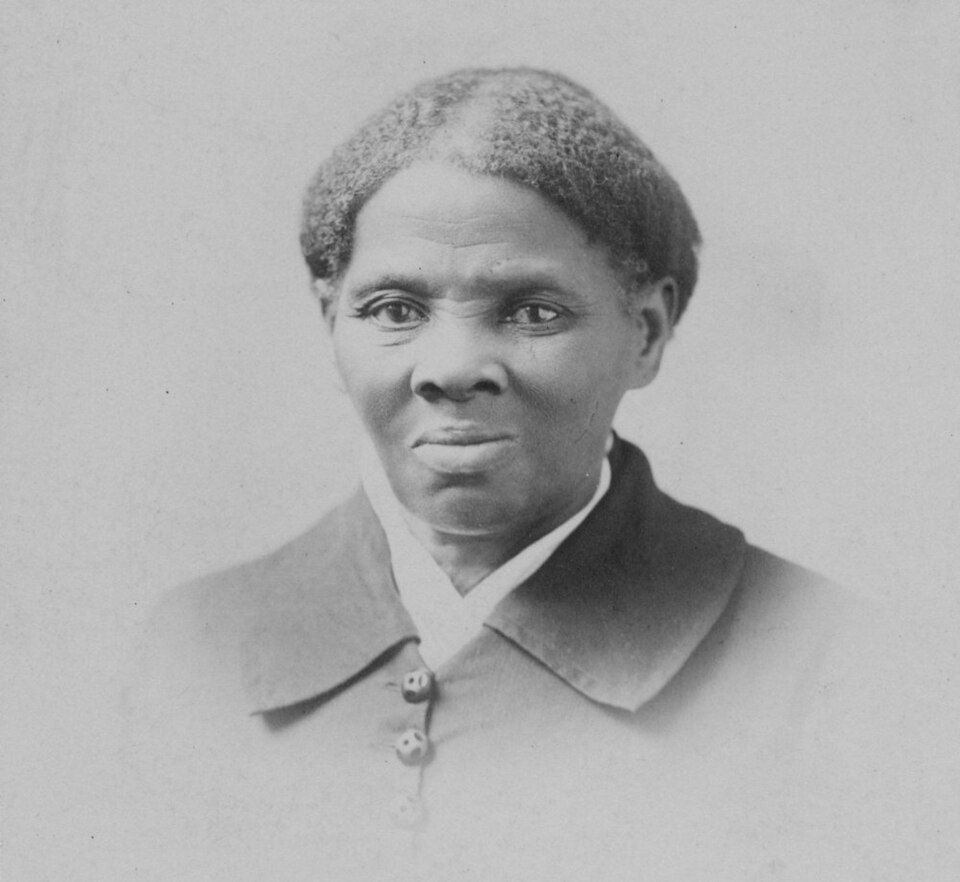
Harriet Tubman was born into slavery around 1822 on Maryland’s Eastern Shore, where she was given the name Araminta “Minty” Ross. From childhood, she experienced the full brutality of American slavery. She was hired out to different owners, beaten for the smallest offenses, forced into exhausting labor, and separated from family members. One of the defining moments of her life came when she was still a young teenager. While attempting to protect another enslaved man from being captured, an overseer hurled a two-pound iron weight that struck Tubman in the head. She nearly died and suffered headaches, seizures, and periods of unconsciousness for the rest of her life. Yet she came to believe that God had spared her for a greater purpose.
Faith became the foundation of Tubman’s extraordinary courage. She read the Bible whenever she could, memorized its stories, and believed that the God who delivered the Israelites from Egypt would also deliver enslaved people in America. Tubman frequently spoke of praying for guidance before making difficult decisions and believed that God directed her steps through dreams and powerful spiritual impressions. Her favorite songs were spirituals that carried hidden messages of hope and escape, and she often sang quietly with those she led to remind them that God had not abandoned them.

The Underground Railroad was not an actual railroad but a vast secret network of safe houses, abolitionists, churches, and ordinary citizens who risked everything to help enslaved people escape. Conductors like Tubman guided fugitives from one “station” to another, often traveling only at night, navigating by the North Star, and hiding during daylight hours. Every journey required careful planning, trusted allies, and remarkable courage.

The dangers Tubman faced cannot be overstated. After the passage of the 1850 Fugitive Slave Act, even free states became dangerous because escaped slaves could legally be captured and returned to bondage. Slave catchers carried wanted posters offering enormous rewards for Tubman’s capture—modern estimates suggest the combined rewards mentioned in newspapers and local notices could total tens of thousands of dollars in today’s money. Anyone caught helping fugitives could face imprisonment, crippling fines, or violent retaliation.

Tubman herself carried a pistol on many missions—not only for protection against slave catchers but also to prevent frightened escapees from turning back and revealing the group’s location under interrogation. A single frightened traveler could doom everyone in the party. She led families through swamps, across rivers, through forests, and over hundreds of miles of hostile territory, knowing that capture would almost certainly mean brutal punishment or death. Despite these overwhelming dangers, Tubman successfully guided approximately seventy enslaved people directly to freedom in about thirteen rescue missions and provided instructions that helped many others escape. She later declared with quiet confidence, “I never lost a passenger.”
During the American Civil War, Tubman continued serving the cause of freedom as a nurse, scout, spy, and military guide for Union forces. In 1863 she helped lead the Combahee River Raid in South Carolina, an operation that freed more than 700 enslaved people. After the war she devoted herself to caring for the elderly, advocating for women’s suffrage alongside leaders such as Susan B. Anthony, and establishing a home for aged African Americans in New York.

Harriet Tubman died in 1913, but her legacy remains one of the greatest examples of sacrificial courage in American history. She repeatedly walked back into the very system that had enslaved and brutalized her because she believed God had called her to rescue others. Her faith transformed fear into determination and suffering into purpose. Tubman’s life stands as a remarkable testimony that profound conviction, sustained by unwavering trust in God, can inspire ordinary people to perform extraordinary acts of courage in the face of overwhelming danger.