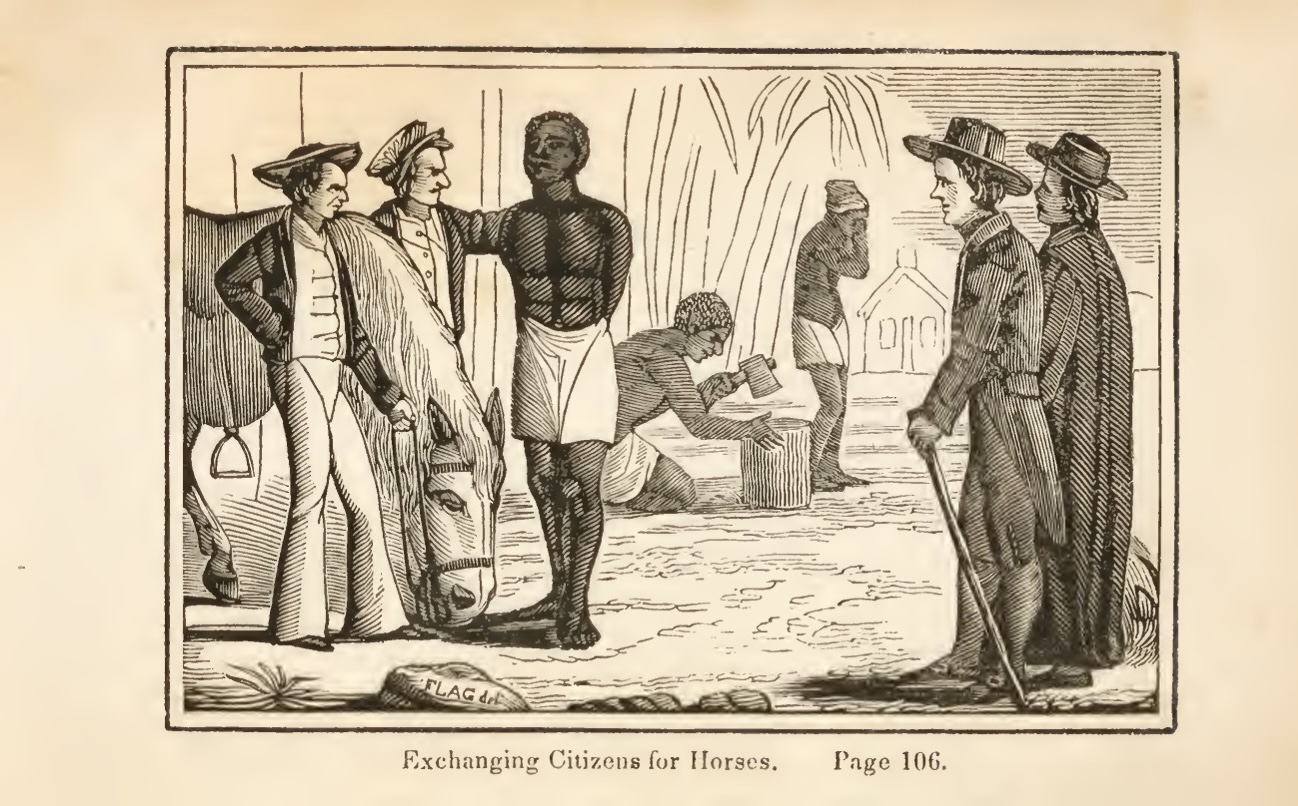
Black Americans stand at the center of the American story long before the Civil War begins, shaping the nation’s identity, economy, and moral contradictions across nearly two and a half centuries. This episode traces that deeper history—one often overshadowed by the narratives of founders, generals, and political leaders—to reveal how millions of men, women, and children lived, labored, resisted, and hoped within a system built on bondage.
The journey begins in colonial America, where early forms of servitude evolved into a racial caste system that hardened across generations. From the trauma of the Middle Passage to the rise of hereditary slavery, the foundations of the American economy were laid through forced labor. Yet even in these earliest chapters, Black Americans forged families, communities, and spiritual traditions that sustained them through unimaginable hardship.
As the Revolution swept across the colonies, the ideals of liberty and equality collided with the reality of slavery. Black soldiers fought on both sides of the conflict, seizing any opportunity to claim the freedom promised in the nation’s founding rhetoric. For a brief moment, many Americans believed slavery might fade away. Instead, the invention of the cotton gin and the explosive growth of the cotton economy transformed slavery into the engine of Southern wealth, expanding its reach and intensifying its brutality.
This episode explores the world that emerged from that transformation: the plantation system, the slave codes, the constant fear of uprisings, and the rare but seismic revolts that reshaped Southern policy. It also highlights the growing abolitionist movement, the courage of escape networks, and the voices—like Douglass, Tubman, and Sojourner Truth—who insisted America confront its own contradictions.
By the eve of the Civil War, the nation stood divided, and the struggle for freedom had reached a breaking point. This episode sets the stage for what comes next.


[…] The Others – Part 2 – The story of Black Americans and those often uncredited and unrecognized in the first half of America’s story. […]
Comments are closed.