

What Happened
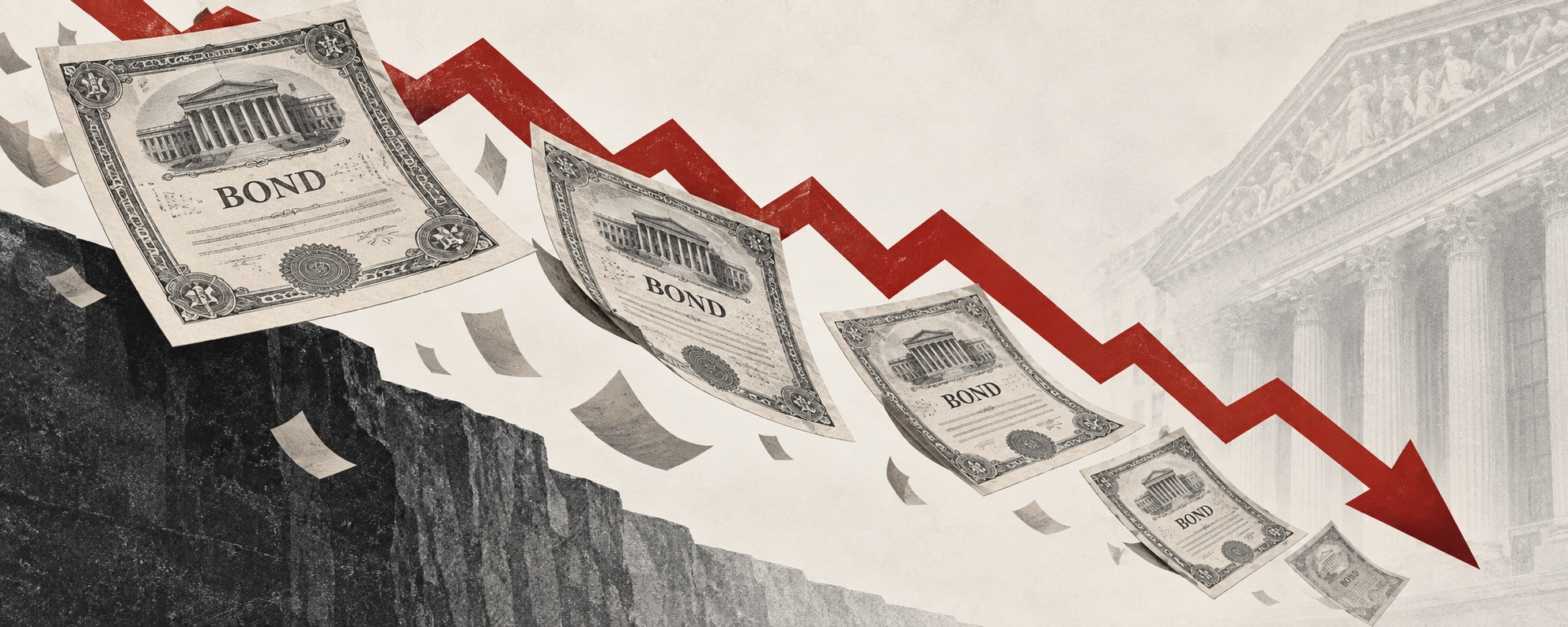
A significant escalation is underway in global bond markets. The benchmark 10-year U.S. Treasury yield reached 5.145% on September 24, its highest level since before the global financial crisis, after jumping almost 14 basis points in the previous session. The selloff is no longer confined to America: Japan’s 10-year government yield has reached a 30-year high, while the gap between French and German government borrowing costs is the widest since the euro crisis in 2012. The immediate catalyst was surprisingly strong U.S. and European business activity combined with continuing price pressures, which convinced investors that central banks may have to raise rates even further. Markets now assign roughly a two-thirds probability of another rate increase in October by both the Federal Reserve and European Central Bank. Reuters Reuters: Global bond selloff intensifies as Treasury yields reach new highs | Reuters: Strong economic data sends U.S. Treasury yields to their highest since 2007
How This Affects Ordinary People
Government bond yields form the foundation underneath much of the world’s borrowing system, so sustained increases eventually filter into mortgages, auto loans, credit cards, corporate borrowing and government finances. Businesses financing factories, inventories or AI infrastructure face a higher hurdle for investment; governments refinancing debt must devote more tax revenue to interest; and emerging economies can experience capital flight as investors move money toward increasingly attractive U.S. bonds. That process is already beginning: emerging-market bond funds suffered their largest outflows in months last week, while sovereign-debt issuance has slowed. There is a benefit for savers because bonds and other fixed-income investments offer much better returns, but for heavily indebted households, businesses and governments, the adjustment works in the opposite direction. Reuters Reuters: Investors examine what 5%-6% Treasury yields could mean for the global economy
Why This Matters
The important number is not simply 5%. The U.S. Treasury market is roughly $29 trillion and serves as the world’s principal risk-free benchmark, meaning its yield influences the valuation of financial assets virtually everywhere. Investors are now openly considering whether the 10-year yield could approach 5.5%-6%. Reuters notes that a move toward 6% would amount to a profound repricing of the global cost of capital and could signal some combination of persistent inflation, long-lasting high interest rates and growing doubts about U.S. fiscal sustainability. The problem is being reinforced by government indebtedness: the Institute of International Finance estimates that global government debt-service costs have risen above $3.5 trillion annually—more than governments collectively spend on defense, energy or AI. Reuters Reuters: Markets begin contemplating a 6% U.S. Treasury yield | Reuters: Rising debt-service costs compound the global bond selloff
What Changed
What changed is that financial markets are now rapidly repricing that possibility into the actual cost of long-term borrowing. The 10-year Treasury has broken decisively above 5%, a weak $70 billion U.S. five-year-note auction produced the highest auction yield since 2007, Japan has reached a 30-year yield high, and Norway raised rates today while Sweden signaled that it will probably follow. Meanwhile, oil has moved back above $100 as hopes for a rapid U.S.-Iran breakthrough faded. The global story has therefore advanced from “persistent inflation may require interest rates to remain high” to “investors are demanding materially higher long-term interest rates from governments right now.” That is significant because it connects the energy shock, inflation, central-bank tightening and sovereign-debt concerns into a single feedback loop—and potentially represents a more consequential economic threat than another temporary spike in oil prices. Reuters Reuters: Bond-market pressure spreads across the global economy | Reuters: Nordic central banks join the global tightening cycle