What Happened
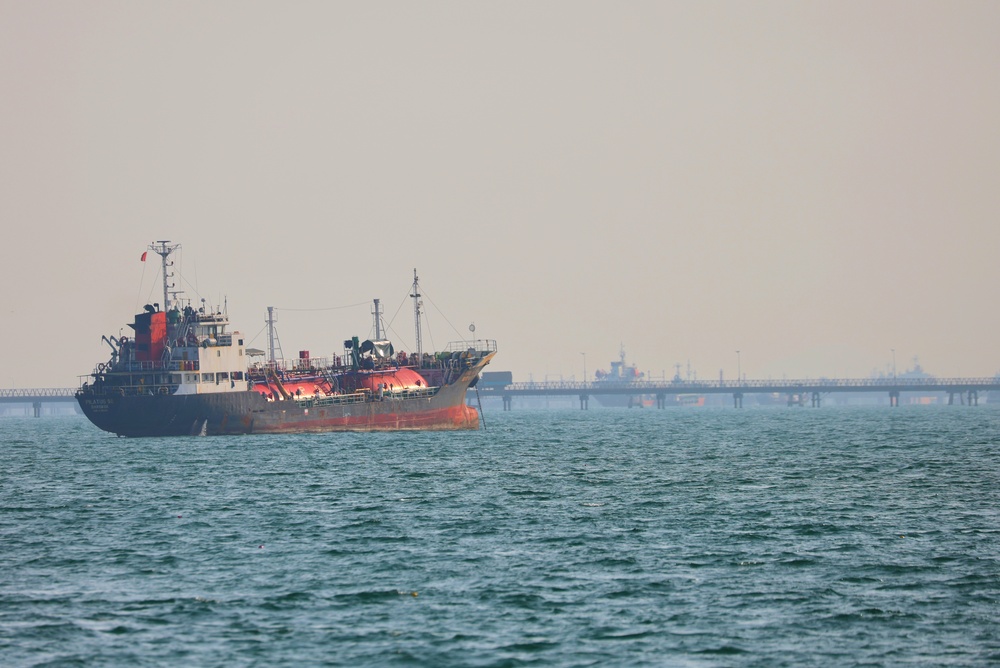
The United States has crossed a new threshold in the Iran conflict by directly striking three Iranian oil tankers, including one near Kharg Island, the hub through which Iran exported roughly 90% of its crude before the war. U.S. Central Command said the strikes followed Iranian ballistic-missile attacks on two U.S. Navy ships; two tankers were permanently disabled and another destroyed, with no casualties reported. Brent crude had already closed Friday at $96.28 a barrel, its highest level since July 24, as markets priced in worsening supply risks. Reuters Reuters: U.S. strikes three Iranian oil tankers after attacks on Navy ships | AP: U.S. military says two tankers were disabled and one destroyed
How This Affects Ordinary People
For households and businesses, the immediate risk is another leg higher in fuel and transportation costs. Oil near $100 feeds into gasoline, diesel, jet fuel, freight, manufacturing and ultimately consumer prices. Americans are already entering Labor Day weekend with a national gasoline average expected around $4.03 a gallon, a record for the holiday period, while diesel markets remain exceptionally tight. If tanker destruction becomes a sustained U.S. tactic or provokes further Iranian retaliation against Gulf shipping, those pressures could intensify quickly. Reuters Reuters: U.S. gasoline prices hit a record for Labor Day weekend | Reuters: Brent closes at $96.28 amid escalating Middle East supply risk
Why This Matters
Until now, the economic campaign against Iran centered mainly on sanctions, financial pressure, blockade and disruption around the Strait of Hormuz. Direct attacks on oil tankers change the character of that campaign because the United States is now physically destroying assets in Iran’s export system. Kharg Island’s role is especially important: before the conflict it handled about 90% of Iranian crude exports, and any sustained military campaign around that hub could cripple Iran’s remaining ability to monetize oil while simultaneously increasing the risk that Tehran retaliates against other regional energy infrastructure or shipping. Reuters Reuters: Kharg Island handled about 90% of Iran’s crude exports before the war
What Changed
The story has shifted from “Iran’s oil exports are being strangled economically” to “oil infrastructure and tankers themselves are now explicit military targets.” That is materially different from the earlier blockade and secondary-sanctions campaign, and even from previous attacks on commercial shipping in Hormuz. U.S. Central Command’s public warning that further Iranian attacks would bring a higher “economic cost” indicates that destruction of Iran’s oil fleet is now being used deliberately as a tool of coercion. That raises the risk of a direct energy-war spiral at precisely the moment global crude, gasoline and diesel markets are already under severe strain. Reuters Reuters: U.S. openly links tanker destruction to imposing economic costs on Iran | AP: Tanker strikes mark a new escalation in the conflict