
What Happened
The average U.S. diesel price has surpassed $6 a gallon for the first time on record, according to GasBuddy, after rising nearly 60% since the U.S.-Israel war with Iran began in February. The strain is deeper than crude oil alone: the U.S. diesel refining margin hit a record $112.17 per barrel, while distillate inventories remain 13% below their five-year average despite refineries running at high utilization. The squeeze reflects simultaneous losses of Middle Eastern refined-product supply, Russia’s restrictions and refinery outages, and constrained Chinese fuel exports. Reuters Reuters: U.S. diesel passes $6 a gallon for the first time | U.S. EIA: Distillate inventories expected to remain exceptionally low
How This Affects Ordinary People
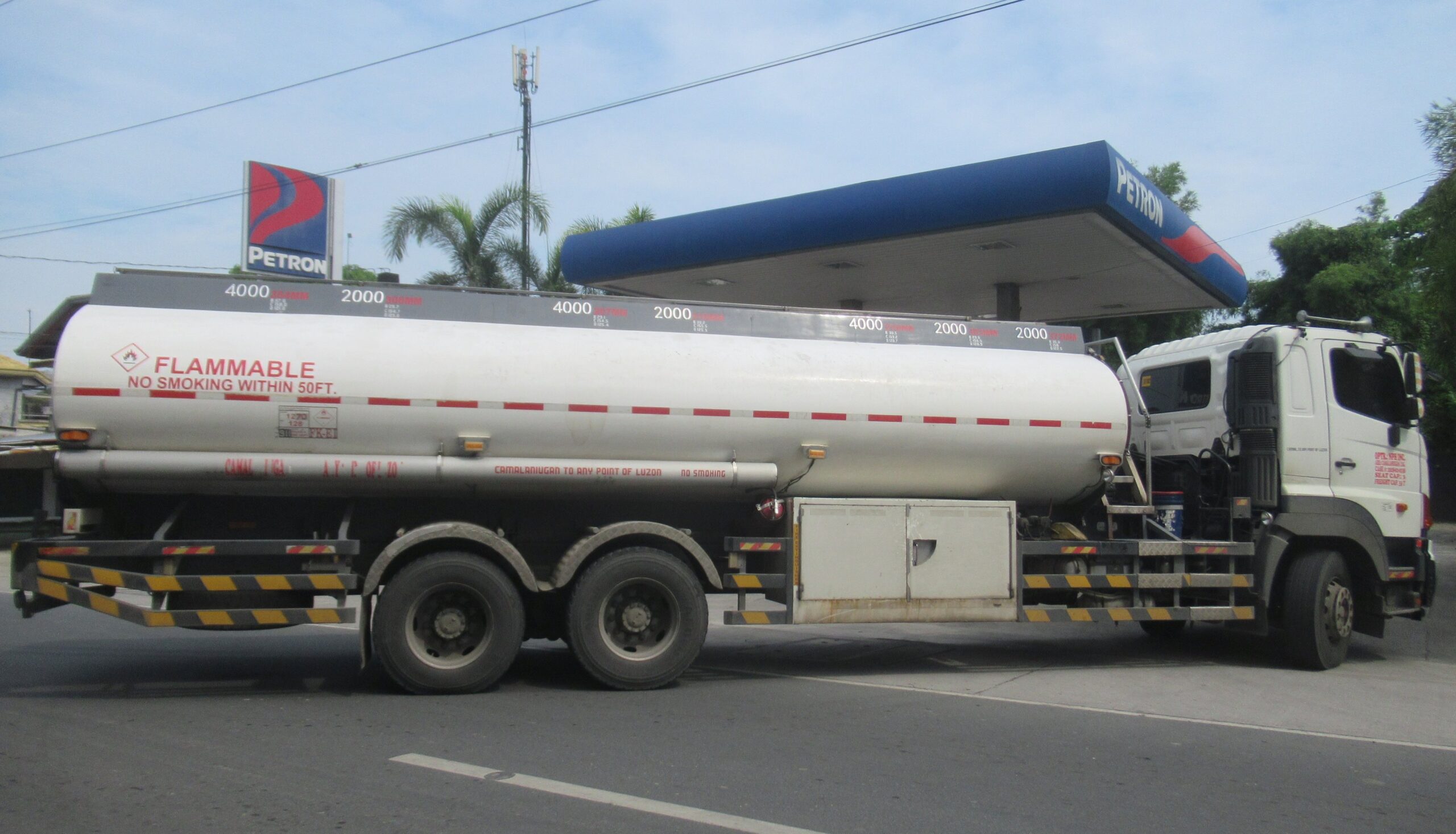
Diesel matters disproportionately because it powers trucks, trains, farm machinery, construction equipment and much of the system that moves food and merchandise. Sustained prices above $6 therefore do not remain confined to filling stations: transportation companies can impose fuel surcharges, farmers face higher harvesting and production costs, and retailers eventually encounter higher freight expenses that can be passed through to shoppers. The EIA expects U.S. distillate inventories to fall below 100 million barrels and remain unusually low through the end of 2026 and much of 2027, while autumn refinery maintenance and seasonal agricultural demand could intensify the squeeze. Reuters Reuters: Record diesel prices threaten freight, farming and consumer costs | EIA: Why low diesel inventories could persist through winter
Why This Matters
The economic risk is that the current oil crisis is becoming a refined-fuels crisis, which can be even more damaging to inflation. Crude supplies can sometimes be rerouted between producers, but refineries capable of producing additional diesel cannot be built or expanded quickly. The EIA says international refinery output of distillates is running below previous levels and warns that continued Middle Eastern shipping constraints would leave global diesel margins higher than its current forecasts. That creates another pathway through which the energy shock can feed into food, freight and manufacturing prices—and ultimately reinforce the pressure already pushing central banks toward higher interest rates. U.S. Energy Information Administration EIA: Global distillate-market tightness is pushing prices higher | Reuters: Diesel shortage adds to broader inflation pressure
What Changed
What changed is that the shortage has now produced a concrete historical threshold in the fuel most important to the physical economy: average U.S. diesel has crossed $6 for the first time, refining margins have reached a record, and inventories remain exceptionally depleted even with refiners operating aggressively. Earlier this month diesel had already set a record near $5.82–$5.85; moving above $6 demonstrates that the refined-product shortage is still accelerating rather than stabilizing. The global story is therefore shifting from “expensive crude threatens inflation” toward “a shortage of the fuel that moves goods and produces food is beginning to transmit the energy crisis directly into supply chains.”Reuters Reuters: Diesel crosses a new historic threshold | EIA: Low inventories could keep diesel unusually expensive