
What Happened.
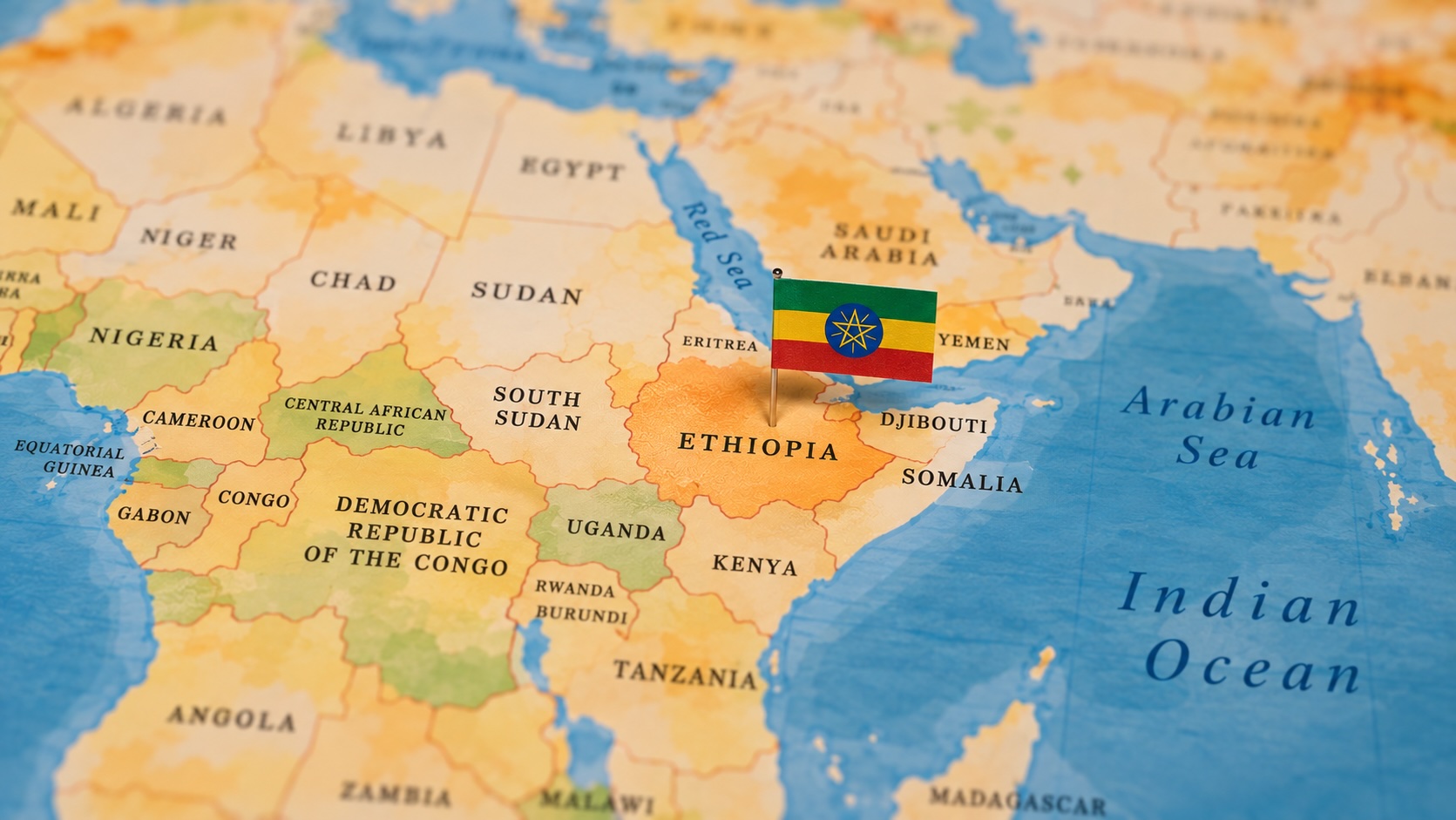
The four-year peace between Ethiopia’s federal government and the Tigray People’s Liberation Front has broken down into open warfare across Tigray and the neighboring Afar and Amhara regions. Tigray’s regional authorities announced Wednesday that their forces had entered what they called a “defensive war” against Prime Minister Abiy Ahmed’s government. Reuters reports that Tigrayan forces seized federally controlled airports in Tigray—including the airport at regional capital Mekelle—and launched attacks against government positions in Afar and Amhara. Four sources, including an Ethiopian government official, diplomatic and humanitarian sources, confirmed fighting across the three regions. Ethiopian Airlines has suspended flights to Mekelle, Shire and Axum. TimesLIVE Reuters — Tigrayan leaders declare new war with Ethiopian government Reuters — Ethiopian Airlines halts Tigray flights after forces seize Mekelle airport
How This Affects Ordinary People.
The immediate casualty toll from the new fighting is not yet clear, but humanitarian workers are already reporting displacement in Afar and preparing emergency food deliveries as they expect the conflict to expand. The precedent is catastrophic: the 2020–2022 Tigray war killed hundreds of thousands of people, while famine, massacres, sexual violence and the destruction of health infrastructure devastated northern Ethiopia. Renewed warfare across three regions could again cut civilians off from food, healthcare and transportation, while the suspension of commercial flights further isolates Tigray. The scale of any new humanitarian emergency will depend on whether the fighting remains concentrated around military positions or develops into the prolonged regional warfare seen during the previous conflict. Currently AFP — Humanitarian workers report displacement as Tigray fighting returns Reuters — Fighting spreads across Tigray, Afar and Amhara
Why This Matters.
The 2022 Pretoria Agreement ended one of the deadliest wars of the 21st century and was supposed to settle the confrontation between the TPLF and Addis Ababa. Its effective collapse creates the danger of another multi-front Ethiopian civil war—but this time the political alignments are substantially different. The TPLF announced only days ago that it had joined six other armed movements seeking to remove Abiy’s government; Reuters now reports Tigrayan forces fighting alongside a local armed group in Afar and alongside Fano forces in Amhara. Fano fought against the TPLF alongside federal forces during the previous Tigray war, making the emerging battlefield coalition a potentially profound shift in Ethiopia’s balance of power. Neighboring Eritrea adds another layer of risk: Addis Ababa accuses it of supporting the new opposition alliance, an allegation Asmara denies. TimesLIVE Reuters — Former enemies join forces as Ethiopia’s conflict spreads Reuters — Seven armed groups form alliance against Abiy government
What Changed.
What changed Wednesday is that this risk has moved from political alignment to actual multi-region warfare: Tigray’s government has formally declared that it is at war, Tigrayan forces have seized strategic airports, federal and Tigrayan forces are fighting again, combat has spread into Afar and Amhara, and armed groups from the newly formed alliance are reportedly participating alongside Tigrayan forces. The extent and durability of that coordination remain uncertain, and neither side has yet demonstrated that the country is returning to warfare on the scale of 2020–2022. But the collapse of the Pretoria peace into open fighting across three regions represents a fundamental escalation and crosses the Global Story Watch threshold. TimesLIVE Reuters — Four-year Tigray peace gives way to renewed war Reuters — Airport seizure and flight suspensions mark sharp escalation