
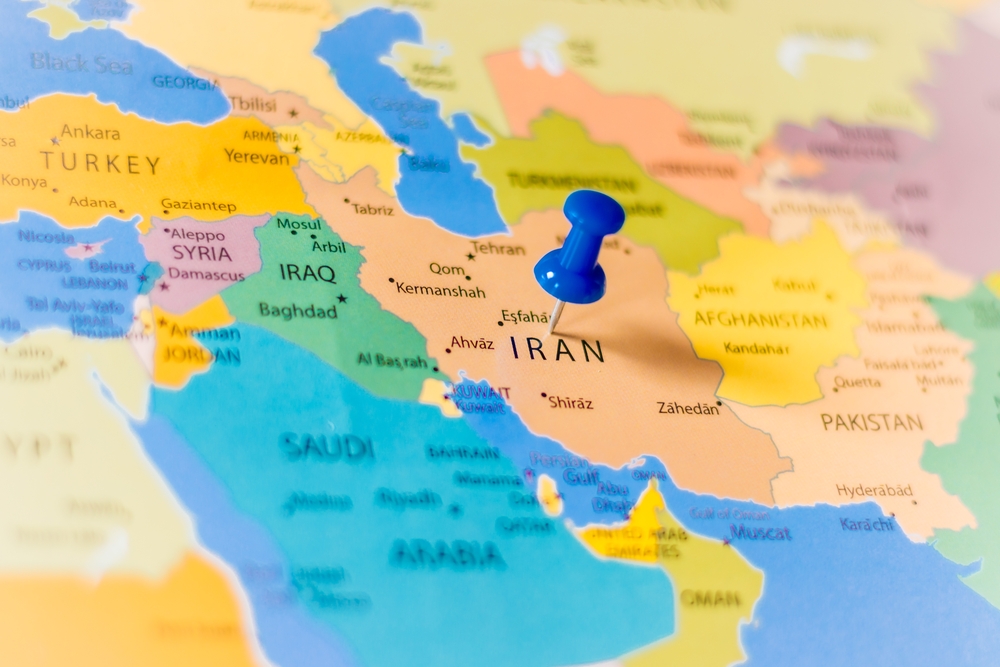
What Happened. The U.S.-Iran confrontation escalated again on September 8, with the U.S. military saying it has now destroyed five Iranian oil tankers after Revolutionary Guard missile attacks against a U.S. Navy warship. The targeted vessels were struck near Iran’s Kharg Island and in the Gulf of Oman after crews were ordered to abandon them. Iran subsequently launched missiles toward U.S. targets in Jordan and warned tanker crews in Kuwait and Bahrain to evacuate ahead of possible additional Iranian retaliation. Reuters separately reported that U.S. forces had resumed attacks on Iranian tankers while Tehran continued threatening tighter control over Gulf shipping. AP NewsAssociated Press — U.S. says it has destroyed five Iranian oil tankers Reuters — War expands as U.S. strikes Iranian tankers and regional attacks intensify
How This Affects Ordinary People. The immediate danger is spreading beyond the combatants themselves. Merchant sailors operating around the Gulf are now receiving evacuation warnings while military forces strike commercial shipping, and civilians near U.S. facilities in Jordan, Kuwait and Bahrain face an increased risk that Iranian retaliation could reach their territory. The widening confrontation is also occurring alongside Houthi attacks that injured 73 people in Saudi Arabia, underscoring how civilians across several Gulf states are increasingly being exposed to missile and drone warfare originating from interconnected regional conflicts. AP News Associated Press — Iranian retaliation raises risks for Gulf shipping and U.S. regional bases Associated Press — Houthi strikes wound 73 in Saudi Arabia
Why This Matters. The conflict is moving from a contest concentrated around the Strait of Hormuz toward a broader regional military confrontation involving U.S. naval forces, Iranian strategic shipping, American installations elsewhere in the Middle East and Iranian-aligned forces attacking neighboring states. Washington is increasingly treating Iran’s oil-export infrastructure as a military target, while Tehran is demonstrating that its retaliation does not have to remain confined to the waters around Iran. That geographic expansion creates more opportunities for casualties, miscalculation and the entry of additional U.S.-allied governments into direct hostilities. Reuters Reuters — U.S.-Iran confrontation broadens across the Gulf region Associated Press — U.S. tanker strikes followed by Iranian missiles toward Jordan
What Changed. Washington has expanded its tanker strikes from three vessels to five, and Iran has responded by firing toward U.S. targets outside the immediate Iran-Hormuz theater while warning civilian shipping elsewhere in the Gulf. That widening geography and repeated exchange of military attacks indicate the confrontation is becoming a sustained regional war rather than an isolated naval clash, crossing the alert threshold again. AP News Associated Press — Five Iranian tankers now destroyed as confrontation spreads Associated Press — Earlier U.S. attack struck three Iranian tankers