What Happened.
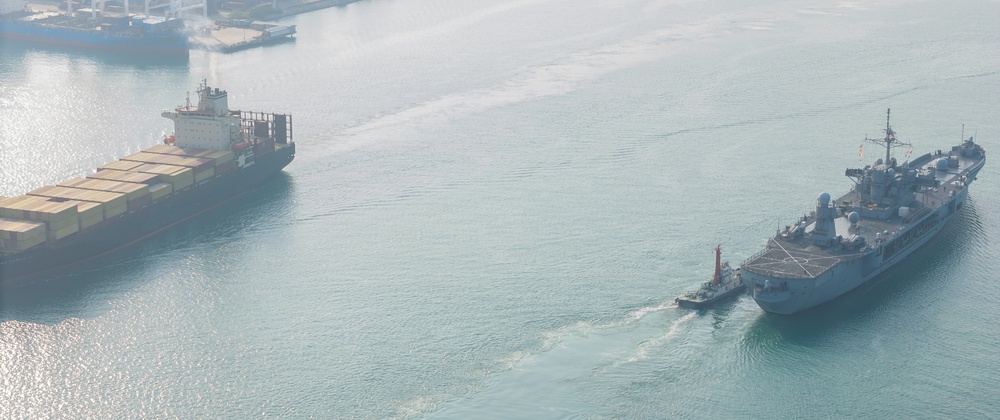
The United States is deploying a third aircraft-carrier strike group and roughly 9,000 additional troops to the Middle East as President Donald Trump considers renewed military action against Iran. The deployment includes the USS Theodore Roosevelt carrier strike group and USS Makin Island amphibious readiness group and could push the American military presence in the region above 20,000 personnel later this month. It follows Trump’s rejection of Iran’s latest de-escalation proposal and comes as Tehran prepares what Iranian officials describe as a substantially broader retaliation if the United States attacks again. Iran-backed forces in Yemen, Lebanon and Iraq have also reportedly been placed on standby. AP News Associated Press — U.S. sends third carrier and thousands of additional troops to Middle East Reuters — Iran prepares broader retaliation if attacked again
How This Affects Ordinary People.
The deployment does not mean another major American attack is imminent, but civilians across Iran and the Gulf face renewed uncertainty after months of intermittent warfare. The U.S.-Iran conflict has already killed civilians, disrupted aviation and shipping, damaged infrastructure and produced Iranian attacks against U.S. facilities and American allies across the region. A renewed large-scale U.S. campaign could trigger Iranian strikes against bases and infrastructure in Bahrain, Kuwait, Iraq, Jordan and potentially other countries hosting American forces. The humanitarian consequences could therefore extend well beyond Iran itself, particularly if Tehran activates allied armed groups simultaneously in Yemen, Iraq and Lebanon or renewed fighting again disrupts civilian shipping through the Strait of Hormuz. AP NewsAssociated Press — New U.S. deployment comes amid fears of renewed Iran fighting Reuters — Tehran prepares wider regional response to another attack
Why This Matters.
Three American carrier strike groups concentrated around the Middle East represent an unusually large amount of U.S. naval power and provide Washington with substantially greater capacity for sustained air operations, missile defense and strikes against Iran. The military buildup is occurring alongside deteriorating diplomacy: Trump has rejected Tehran’s latest proposal, while Iranian officials told Reuters they consider the prospects for negotiations increasingly poor and are preparing retaliation that could reach American allies and interests beyond the immediate theater. An unidentified tanker was also struck Thursday in the Strait of Hormuz, while fighting involving Iran-backed Houthis continues around Yemen and Saudi Arabia. The combination of military reinforcement, failing diplomacy and multiple active regional fronts increases the danger that another U.S.-Iran exchange could become a broader Middle Eastern war rather than another contained round of strikes. AP News Associated Press — U.S. buildup comes as Iran diplomacy deteriorates Reuters — Iran prepares coordinated retaliation as diplomatic prospects fade
What Changed.
What changed is the movement of substantial American combat power into position for another possible campaign. Washington is adding a third carrier strike group, an amphibious force and approximately 9,000 troops while the president publicly weighs renewed attacks; at the same time, Iran is preparing a broader retaliatory strategy and placing allied groups on standby after its latest diplomatic proposal was rejected. That combination moves the confrontation from hostile rhetoric and intermittent exchanges toward renewed military preparation on both sides. The scale of the American deployment—and the corresponding Iranian preparations for a geographically wider response—creates a materially higher risk of regional escalation and crosses the Global Story Watch threshold now. AP News Associated Press — Third carrier deployment marks major expansion of U.S. military posture Reuters — Iran prepares harder retaliation if U.S. attacks resume