
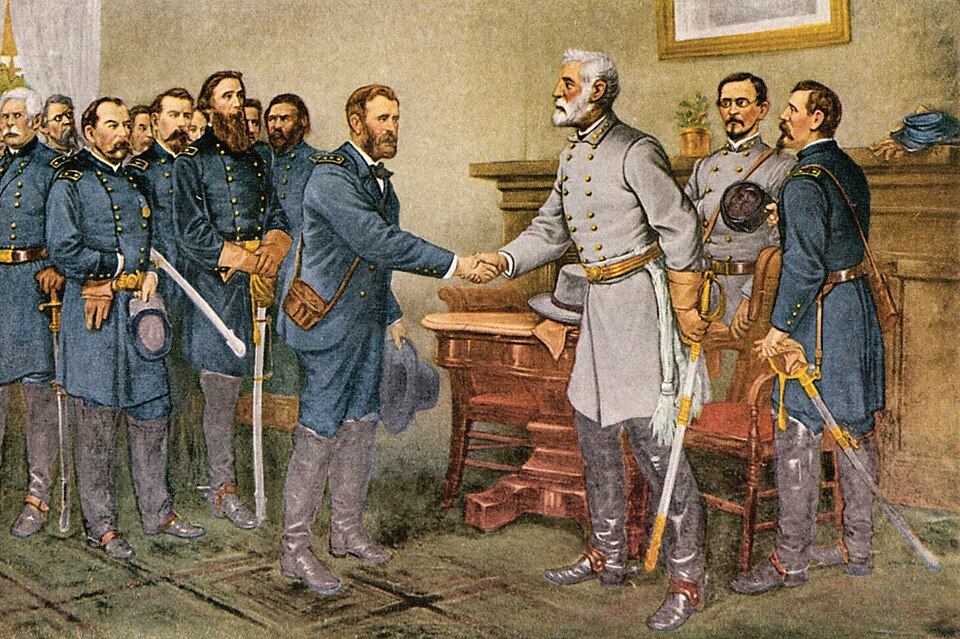
The American Civil War has reached its decisive stage, but victory, peace, and reunion remain far from certain. In this episode of The Empire: A 250 Year American Story, JB Shreve follows the conflict beyond Gettysburg and Vicksburg, as the Union seeks to turn battlefield momentum into a coordinated campaign capable of breaking Confederate resistance.
At the center of the story are three commanders whose methods would reshape American warfare: Ulysses S. Grant, William Tecumseh Sherman, and Philip Sheridan. Their contrasting personalities and shared determination bring a new intensity to the Union effort. Facing them is Robert E. Lee, still commanding fierce loyalty even as the Confederacy struggles with shrinking manpower, failing railroads, food shortages, inflation, desertion, and growing exhaustion.
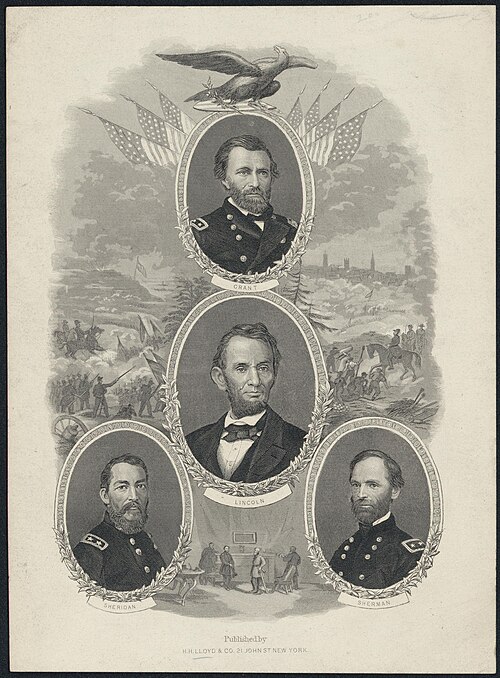
The episode explores the brutal logic of modern war, including Grant’s relentless pressure in Virginia, Sherman’s controversial approach to destroying the South’s military and economic capacity, and the increasingly blurred line between the battlefield and civilian life. It also examines the political stakes of the 1864 election, when Northern voters confronted a defining question: continue a devastating war or seek a negotiated peace.
As armies maneuver through Virginia, Georgia, and the Carolinas, the survival of the Union hangs on more than military strength. Leadership, public morale, industrial power, and competing visions for the nation’s future all converge. What kind of peace can follow such destruction? Can mercy reunite a divided people, or has the conflict opened wounds too deep to heal?
This chapter brings the Civil War narrative toward its long-awaited conclusion while revealing why the end of fighting could never settle every issue the war unleashed. It is a story of endurance, ruin, leadership, and the difficult passage from military victory to an uncertain national future. Along the way, familiar history emerges with fresh urgency, complexity, and human consequence.




[…] The Civil War Ends – Lee surrenders, Atlanta burns, and Lincoln belongs to the ages. […]
Comments are closed.