
Before the Civil War, few Americans could have imagined that the two men who would become the conflict’s defining generals came from such different worlds. Robert E. Lee embodied the traditions of the Southern planter aristocracy, while Ulysses S. Grant represented the steady, practical virtues of the growing American middle class. Their contrasting backgrounds shaped not only their personalities but also the ways they led armies and ultimately influenced the course of American history.
The American Civil War produced many remarkable military leaders, but none have captured the imagination of history quite like Confederate General Robert E. Lee and Union General Ulysses S. Grant. They commanded the principal armies during the war’s final and most decisive years, and their meeting at Appomattox in April 1865 symbolized not only the end of the conflict but also the meeting of two very different visions of American society. Though both were graduates of West Point and veterans of the Mexican-American War, they represented sharply contrasting backgrounds, leadership styles, and paths to greatness.
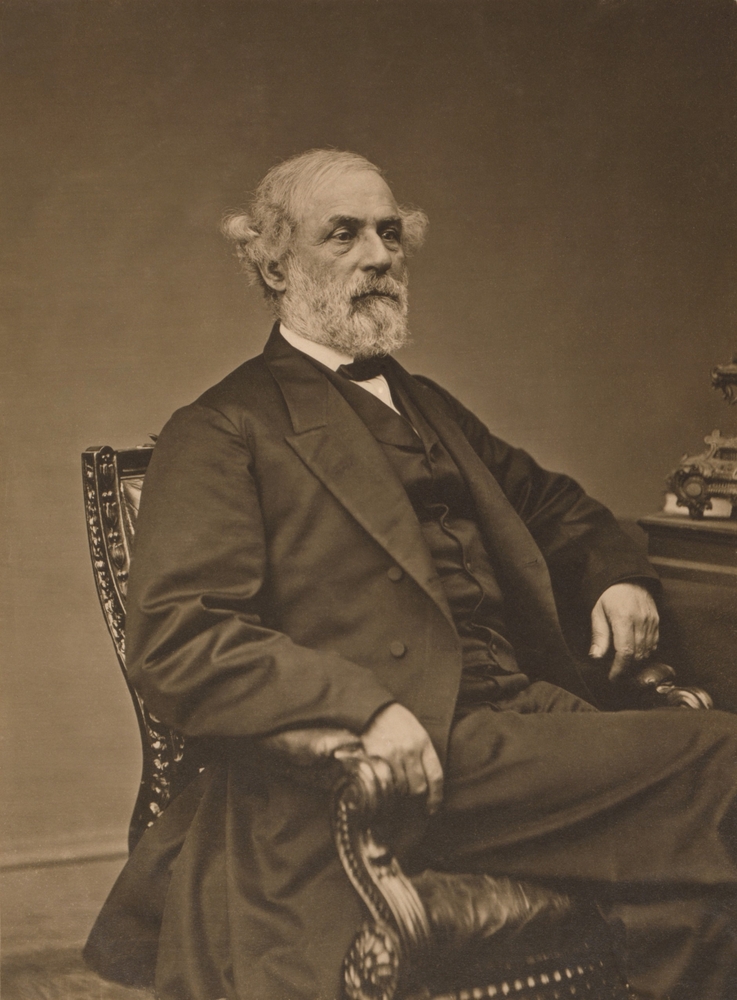
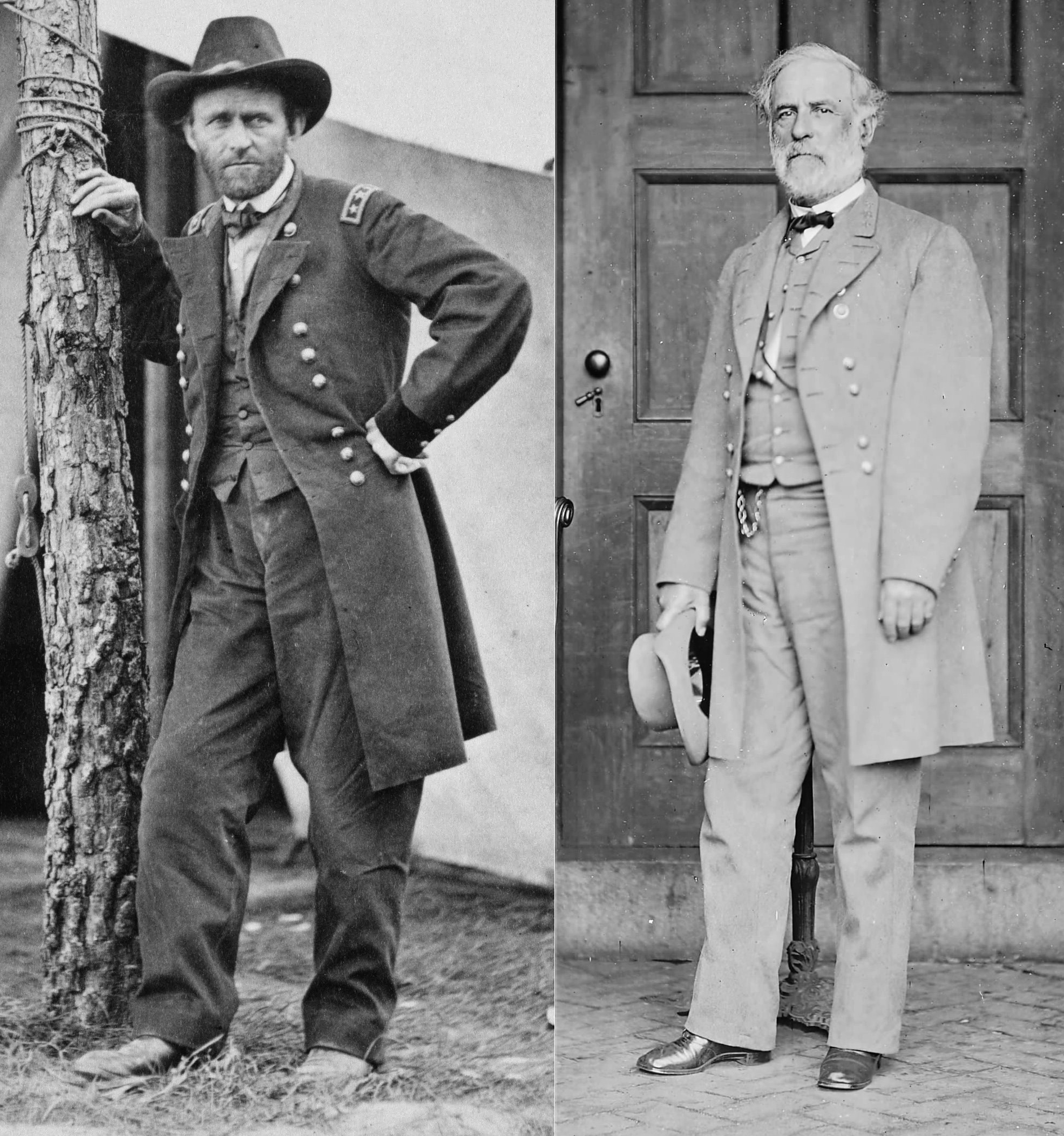
Robert E. Lee was, in many respects, the ideal Southern gentleman. Born in Virginia in 1807, he descended from one of the South’s most distinguished families. His father, Henry “Light-Horse Harry” Lee, had been a celebrated cavalry officer during the American Revolution and governor of Virginia. Lee later married Mary Anna Custis, whose family traced its lineage directly to George Washington through Martha Washington’s descendants. His upbringing emphasized honor, duty, personal dignity, and the responsibilities of the Southern aristocracy.
Lee carried himself with remarkable grace and self-discipline. Fellow officers admired his impeccable manners, calm demeanor, and unwavering sense of honor. Even his appearance reflected the image of a Virginia gentleman—well dressed, dignified, and composed under pressure. His soldiers revered him almost as a father figure, affectionately calling him “Marse Robert.” He inspired extraordinary loyalty by sharing in their hardships and treating both officers and enlisted men with respect.
His military style reflected his personality. Lee believed boldness could overcome numerical inferiority. Facing larger Union armies throughout much of the war, he repeatedly seized the initiative with daring offensives. His victories at the Seven Days Battles, Second Bull Run, Fredericksburg, and Chancellorsville demonstrated an extraordinary ability to read the battlefield and take calculated risks. Working alongside gifted subordinates such as Stonewall Jackson and James Longstreet, Lee often achieved victories that seemed improbable against larger and better-equipped opponents.
Yet Lee’s strengths also became his weaknesses. His aggressive nature led him to launch costly offensives that the Confederacy could scarcely afford. The disastrous Pickett’s Charge at Gettysburg remains the clearest example of his willingness to gamble everything on a single decisive attack. Unlike the North, the South could not easily replace experienced soldiers. Every Confederate loss permanently weakened the army Lee fought so brilliantly to command.
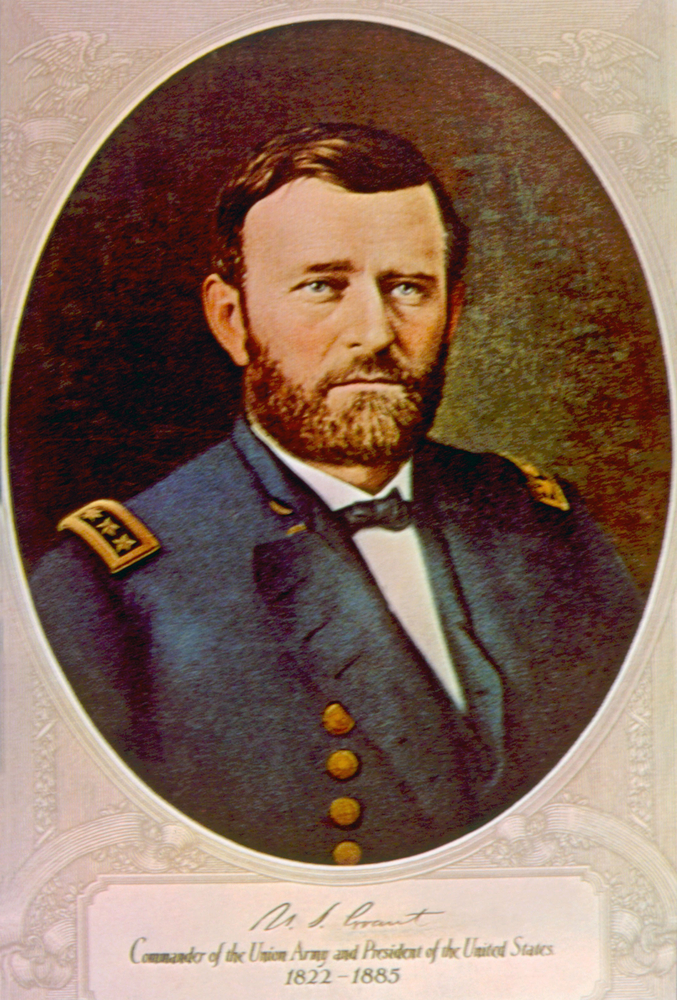
Ulysses S. Grant came from an entirely different America. Born in Ohio in 1822, Grant was raised in a modest family whose livelihood came through hard work rather than inherited status. His father operated a successful tannery, and although Grant disliked the business intensely, he grew up understanding the values of persistence, practicality, and honest labor. There was little of the aristocratic refinement that characterized Lee’s upbringing. Grant developed into a quiet, unpretentious man who valued results more than appearances.
His early adulthood was marked by disappointment. Though he served with distinction in the Mexican-American War, Grant struggled after leaving the army. He tried farming, worked in various businesses, and endured financial hardship before returning to military service at the outbreak of the Civil War. These years of failure cultivated humility and resilience. Unlike many prominent generals, Grant never sought personal glory. He simply focused on accomplishing the mission before him.
Grant’s leadership reflected this practical mindset. He was calm under pressure, remarkably difficult to intimidate, and unwilling to be discouraged by setbacks. While some Union commanders hesitated after suffering casualties, Grant accepted that modern warfare required persistence. His campaigns at Fort Donelson, Vicksburg, Chattanooga, and ultimately against Lee in Virginia demonstrated his determination to maintain relentless pressure until the enemy could no longer resist.
Unlike Lee, whose brilliance often rested on tactical audacity, Grant excelled at coordinating vast armies, managing logistics, and understanding the larger strategic picture. He recognized that the Union’s superior population, industry, railroads, and manufacturing capacity would eventually prevail if those advantages were applied continuously. Rather than seeking one spectacular victory, Grant pursued a campaign of constant pressure that denied the Confederacy any opportunity to recover.
The contrast between the two men reflected the broader differences between North and South. Lee represented an aristocratic America rooted in inherited status, personal honor, and the traditions of Virginia’s planter elite. Grant represented a newer America that valued perseverance, merit, and practical achievement over family pedigree. Lee commanded through personal inspiration and aristocratic dignity; Grant led through quiet confidence, determination, and organizational effectiveness.
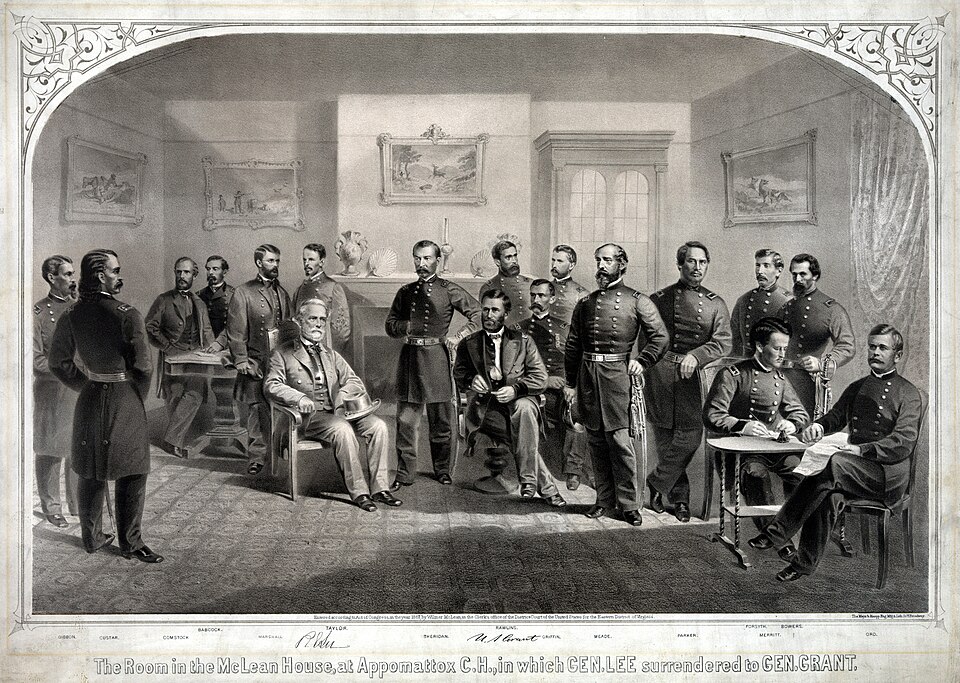
Both generals possessed remarkable strengths and earned the respect of friend and foe alike. Lee’s tactical brilliance allowed the Confederacy to survive far longer than many believed possible, while Grant’s strategic vision and relentless determination ultimately secured Union victory. Their meeting at Appomattox was marked by mutual respect, as Grant offered generous terms to the defeated Confederates and Lee accepted them with characteristic dignity.