
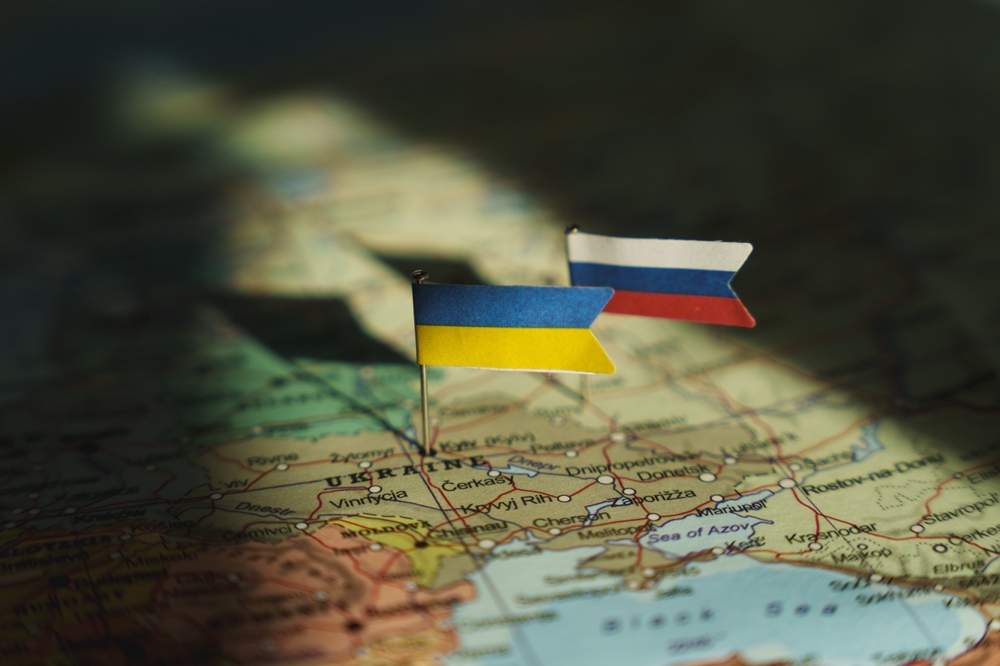
What happened: Ukraine launched nearly 800 drones at Russia on August 18, only two days after another exceptionally large Ukrainian barrage. Russian authorities said hundreds were directed toward the Moscow region and occupied Crimea. At roughly the same time, Russia struck the Ukrainian village of Pechenihy in the Kharkiv region with cruise missiles, hitting a busy civilian intersection. (AP News)
Human cost: The Pechenihy strike killed 10 civilians and wounded at least 17–18 people. Homes, shops, a café, post office and vehicles were damaged. Separate Russian attacks killed another three people in Ukraine’s Sumy region. (Reuters)
Why it matters: The increasingly important change is tempo and scale. Ukraine has now conducted two enormous long-range drone attacks on Russia within days, while Russia is simultaneously intensifying its missile campaign against Ukrainian population centers. Reuters reports Russia has been trying to exploit Ukraine’s shortage of missile interceptors; the U.N. says Ukrainian civilian casualties rose nearly one-third in July. (Reuters)
Neither side is making dramatic advances along much of the roughly 1,250-kilometer front, so increasingly powerful long-range strikes are becoming a central way both countries attempt to impose costs beyond the battlefield. AP describes the result as an escalating duel of long-range aerial attacks. (AP News)
What changed: The August 16 alert established Ukraine’s first enormous drone barrage. The important new development is that another attack approaching the same scale followed almost immediately, suggesting that operations involving hundreds of drones may be becoming a sustained campaign rather than an exceptional event. Russia’s deadly retaliatory air campaign is escalating alongside it.