
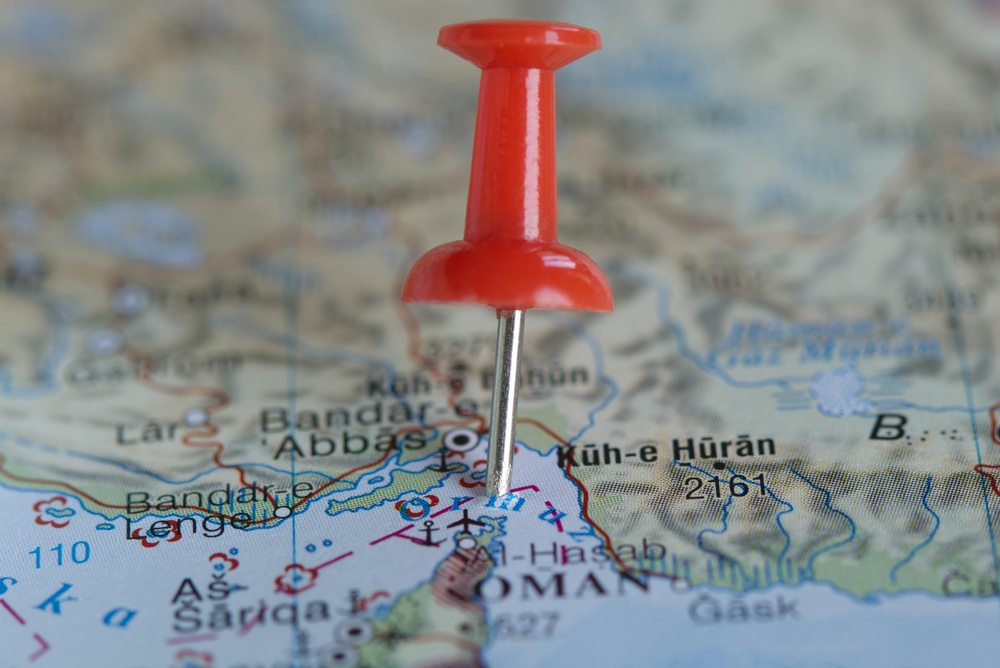
What happened: The temporary U.S.–Iran ceasefire has expired without a broader agreement, and President Trump said on August 18 that there are no talks underway or scheduled with Iran. Hours later, the UAE said it detected two ballistic missiles launched from Iran toward maritime traffic; both fell into the sea. Iran denied the accusation. Separately, a commercial vessel was struck by an unidentified projectile while leaving the Strait of Hormuz, damaging its engine room and killing a crew member. (Reuters)
Human cost: At least one sailor was killed in the latest ship attack. The wider six-month conflict has already killed thousands, mainly in Iran and Lebanon, while repeated strikes on Gulf states and commercial vessels have put civilian crews and regional populations at continuing risk. (Reuters)
Why it matters: This is the clearest evidence yet that the diplomatic window opened by the June agreement is closing. Iran announced a shift to a “fully offensive” posture a day earlier; now the UAE is reporting fresh ballistic-missile launches, maritime attacks are continuing, and Washington says negotiations are not even scheduled. The Strait of Hormuz remains severely disrupted, with ship crossings still in single digits on some days. (Reuters)
There is a second important shift: the UAE has suspended all trade and financial dealings with Iran following the renewed confrontation. That reverses a tentative diplomatic and commercial thaw and signals that relations between Tehran and one of the Gulf’s most influential states are deteriorating sharply. (Financial Times)
What changed: Yesterday’s warning centered on Iran threatening to become more offensive. Today, that threat is being followed by reported ballistic-missile launches, another deadly maritime strike, a formal end to the ceasefire deadline, and the apparent breakdown of active diplomacy.