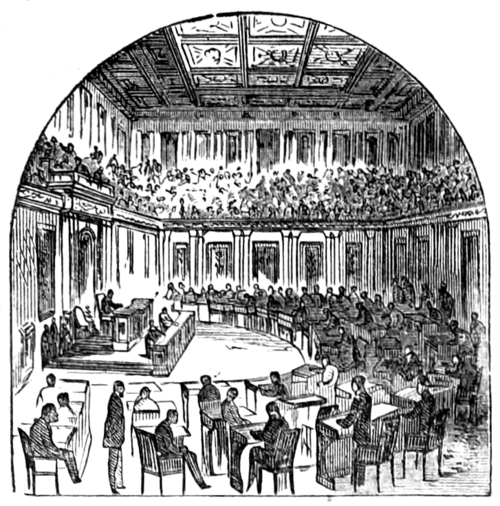
After the Civil War, the United States entered an era of breathtaking change. Railroads stitched distant regions together, steel reshaped city skylines, oil transformed daily life, and vast corporations amassed influence on a scale the nation had never seen. Yet beneath the glittering surface of prosperity lay dangerous workplaces, crowded cities, political corruption, economic instability, and a widening divide between extraordinary wealth and working families.
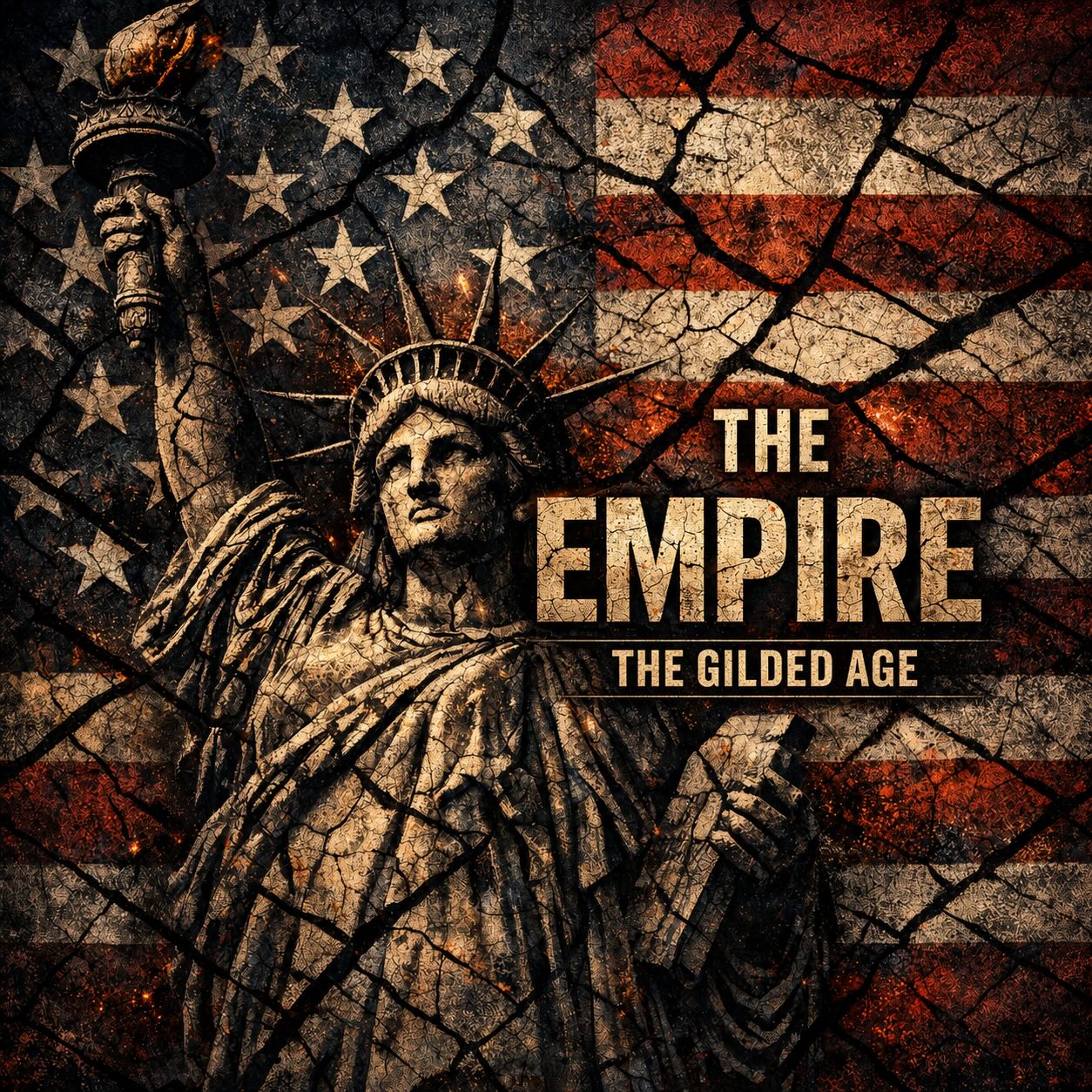
In this episode of The Empire: A 250 Year American Story, JB Shreve explores the Gilded Age as a defining chapter in the making of modern America. The journey begins with two competing impulses embedded deep in the nation’s identity: the desire to build a society around moral purpose and the drive to pursue opportunity, ownership, and profit. From there, the episode follows the industrial forces that accelerated after the war and changed how Americans understood distance, time, labor, and progress.
Listeners will encounter the railroad revolution, the rise of steel and oil, and the business empires associated with figures such as Andrew Carnegie and John D. Rockefeller. Their achievements helped create unprecedented growth, but their power also provoked urgent questions about monopolies, government, philanthropy, competition, and responsibility.
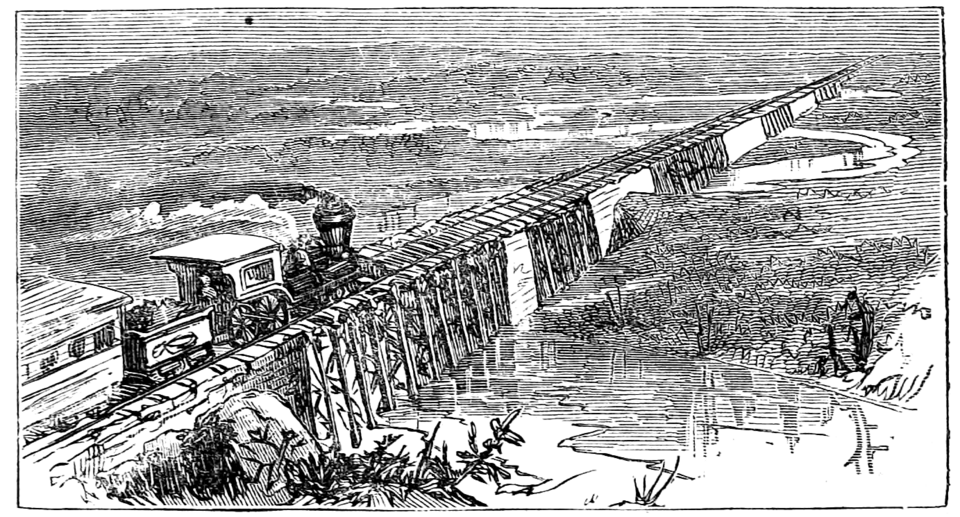
The episode also turns toward the people whose labor powered this transformation: immigrants, factory workers, railroad crews, and families navigating long hours, uncertain wages, and the hope of upward mobility. As financial crises sharpened tensions between labor and capital, America began confronting consequences that still feel strikingly familiar. A thoughtful, faith-informed perspective connects past ambitions and anxieties to questions facing Americans today.
Was the Gilded Age a triumph of innovation, a warning about unchecked power, or both? This thought-provoking installment examines the contradictions behind America’s industrial ascent and asks what genuine economic progress should mean for a nation, its communities, and the people who build its prosperity.