

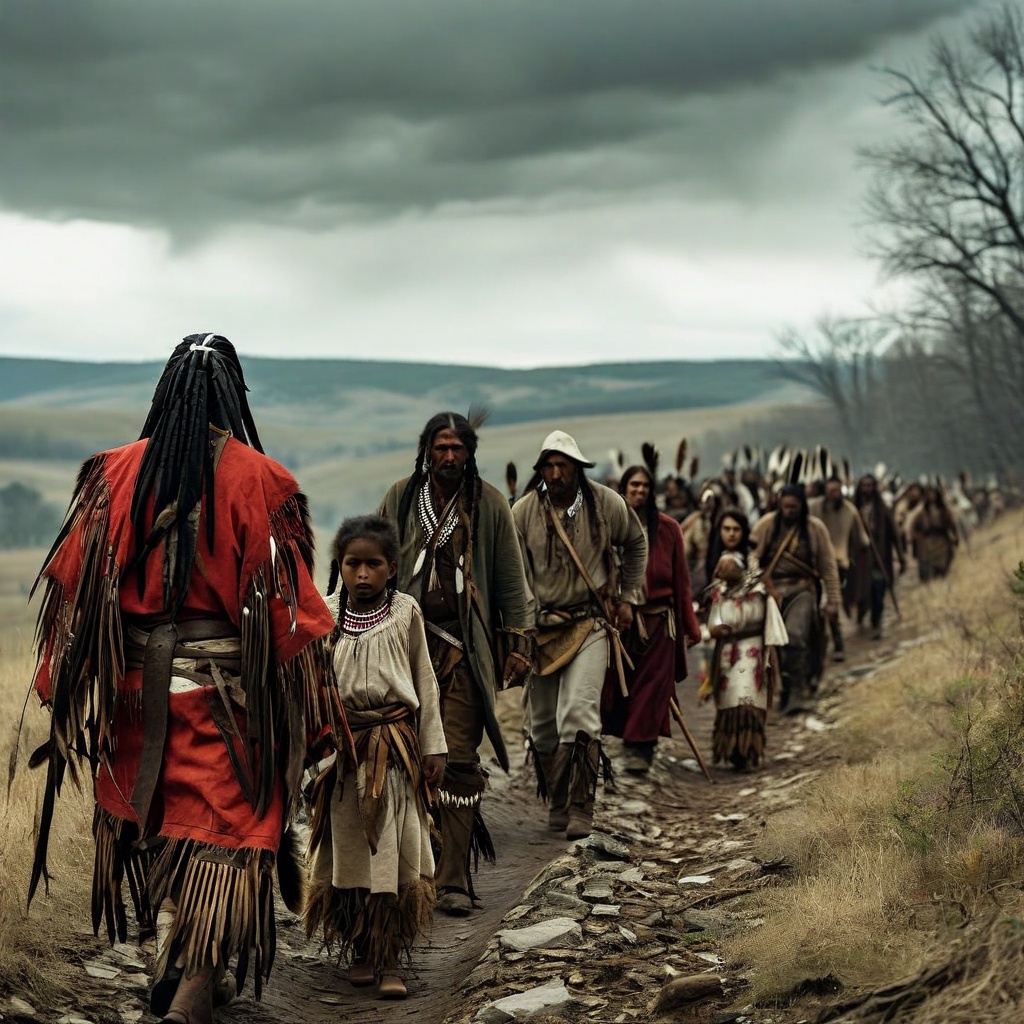
This episode steps away from the main political storyline of The Empire: A 250 Year American Story to examine the experiences of those who did not benefit from America’s explosive growth in the eighteenth and early nineteenth centuries. Before the Civil War, as the young republic expanded, innovated, and imagined itself destined for greatness, entire nations of American Indians were confronting a very different reality—one defined by upheaval, shifting alliances, and the relentless pressure of a population racing westward.
Listeners are taken back to a continent once governed by hundreds of distinct Native nations, each with its own political systems, diplomatic traditions, and regional power. As European empires fought for dominance, these nations navigated the changing landscape with strategy and sophistication—forming alliances, waging wars, and negotiating treaties to preserve their autonomy. But the collapse of French influence, the rise of American settlement, and the revolutionary reshaping of the continent introduced new dangers that no single tribe could outrun.
The episode traces how frontier violence, broken treaties, and expanding settlement reshaped Native homelands long before the Trail of Tears. It follows the rise and fall of major resistance movements, from Pontiac’s coalition to Tecumseh’s ambitious confederation, and explores how some nations turned toward adaptation—literacy, constitutional government, Christianity, and agriculture—hoping coexistence might secure their future.
By the 1830s and 1840s, however, the accelerating forces of population growth, economic ambition, and the ideology later called Manifest Destiny made clear that even diplomacy and cultural adaptation could not halt the republic’s westward march.
This episode offers a wide‑angle view of the American Indian story before the Civil War—one marked by resilience, political brilliance, tragedy, and the reshaping of an entire continent. It sets the stage for the next chapter, where the series turns to another group living at the margins of America’s rise.




[…] The Others – Part 1 – The story of the American Indians between 1700 and 1850. […]
Comments are closed.