

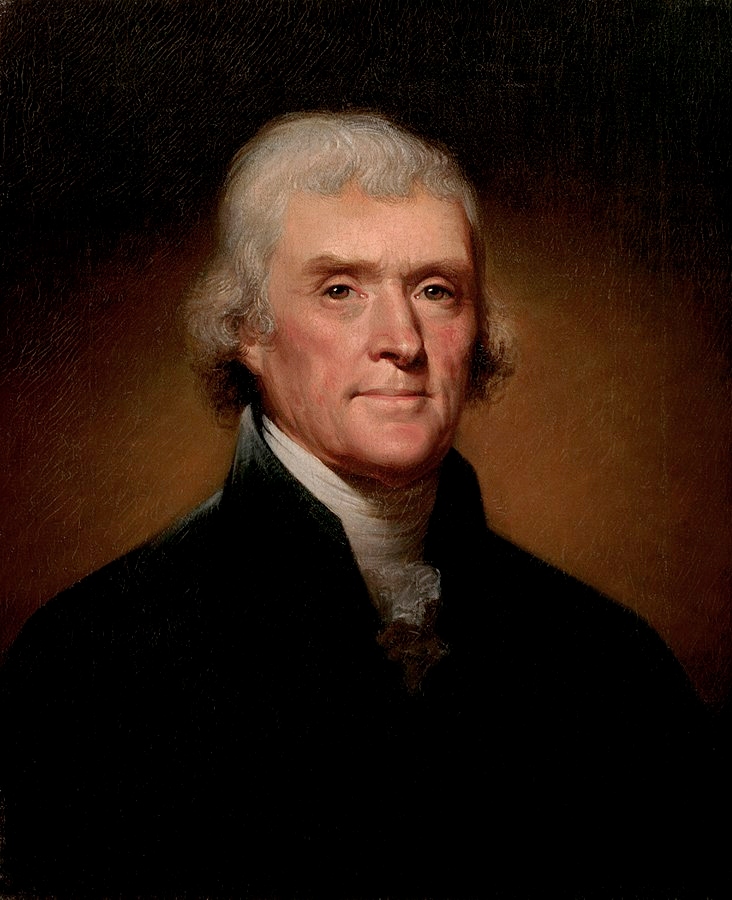
The election of 1800 didn’t unfold with muskets or barricades, yet it transformed the United States more profoundly than many events that did. This episode explores how a peaceful transfer of power—John Adams stepping aside and Thomas Jefferson stepping in—quietly rewrote the nation’s identity. What followed was not simply a change in leadership but a reimagining of what America meant and who it was for.
Across the decade that followed, Jefferson and his Republican allies dismantled the old Federalist vision and replaced it with a new national creed centered on liberty, simplicity, and suspicion of centralized authority. Their experiment reshaped everything from government power to cultural norms. It also introduced a powerful new force into American life: public opinion. In the early 1800s, the collective judgment of ordinary citizens began to eclipse the authority of elites, professors, and statesmen—a shift that would echo into the modern age.
The episode also traces how global upheaval—especially the Napoleonic Wars—unexpectedly opened the door to America’s rapid expansion. Jefferson’s decision to seize the opportunity of the Louisiana Purchase doubled the nation overnight and ignited a wave of exploration, imagination, and contradiction. The Lewis and Clark expedition became a national epic, while the vast new frontier intensified tensions around slavery, Indigenous nations, and Jefferson’s own ideals.
At the same time, everyday Americans were navigating a society in flux. Hierarchies crumbled, political passions flared, and a new culture of honor, insecurity, and partisanship took root. The Revolution of 1800 reshaped not only national politics but personal lives and communities.
This episode invites listeners into the decade when America’s modern identity—its freedoms, contradictions, ambitions, and anxieties—first took shape. It’s the story of how a peaceful revolution remade a nation and set the stage for everything that followed.





[…] The Revolution of 1800 – The Jeffersonian Revolution of 1800 becomes a defining moment in America’s identity. […]
Comments are closed.