
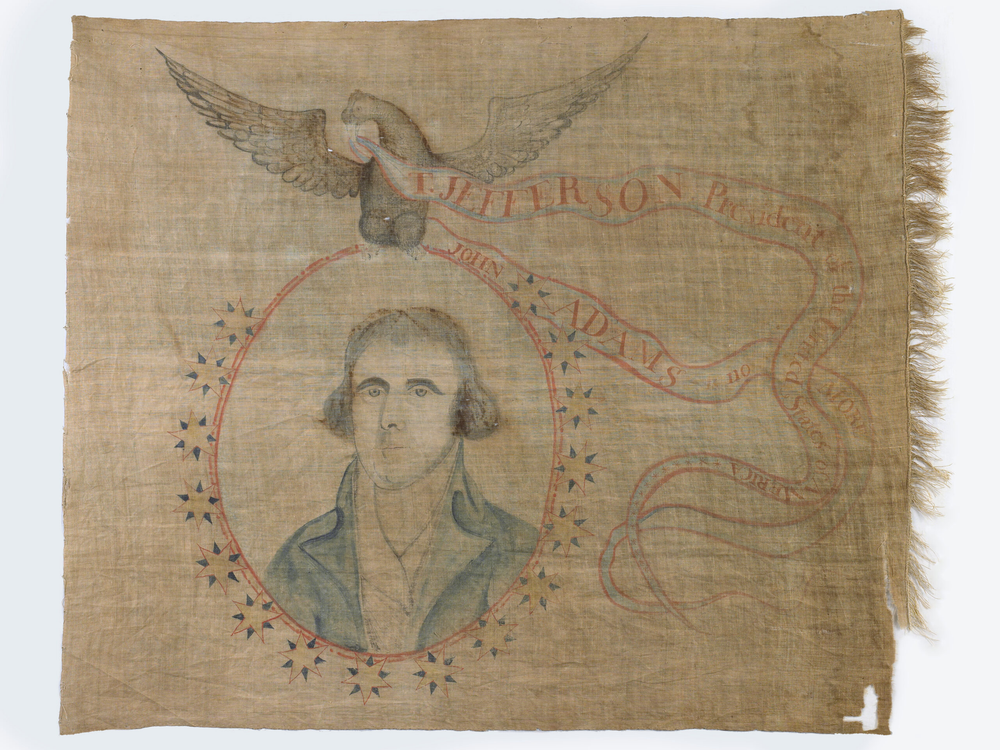
The United States emerged from the American Revolution united in victory but divided almost immediately over what that victory meant. The Constitution had settled the question of independence, but it had not settled the question of how the new nation should govern itself. During the 1790s, the young republic descended into a decade of fierce partisan conflict marked by personal insults, newspaper warfare, political conspiracies, and deep suspicion. Men who had once stood shoulder to shoulder against Britain increasingly viewed one another as existential threats to the nation’s survival.
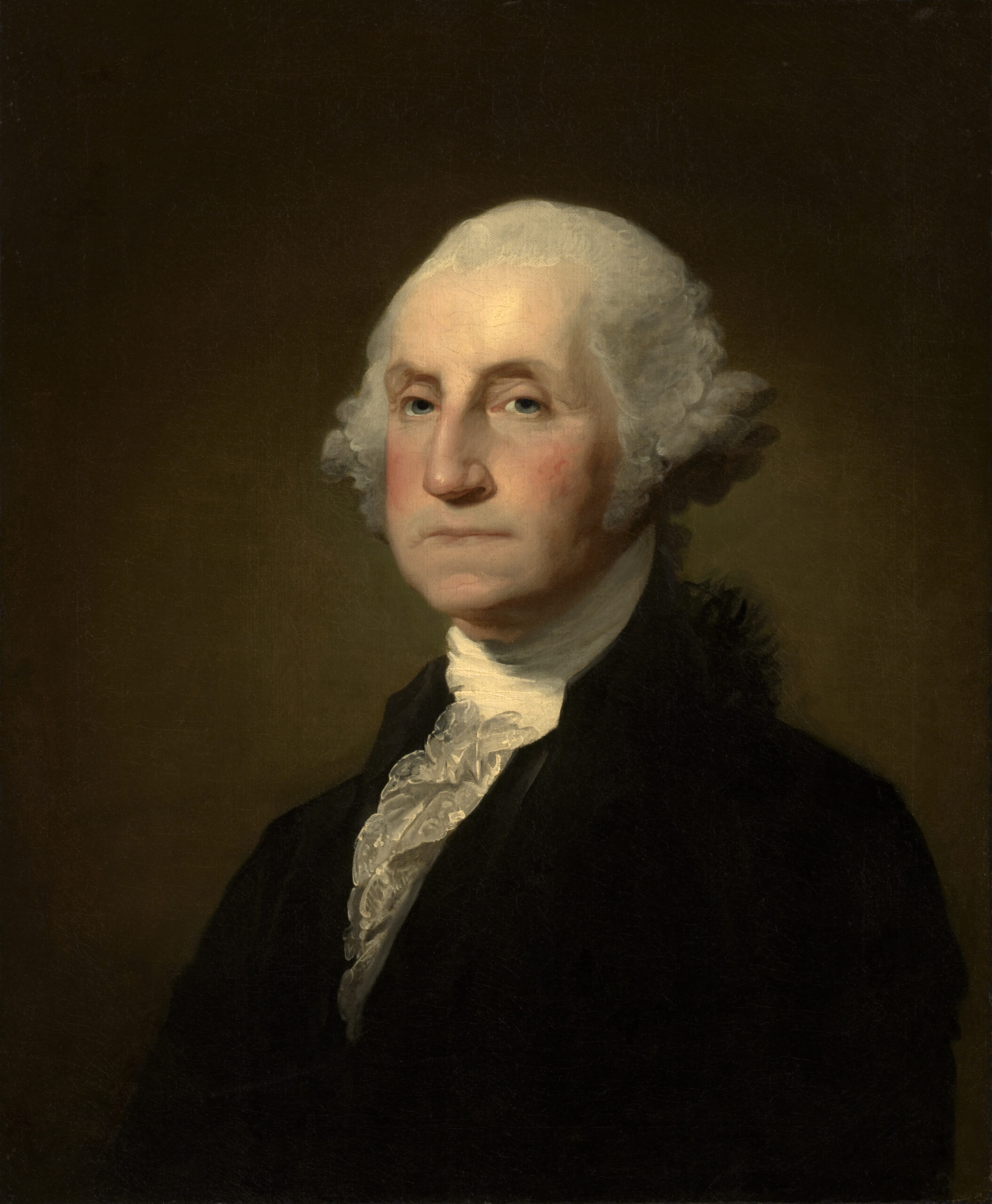
Ironically, many of the Founding Fathers believed political parties were dangerous. George Washington warned that organized factions would place loyalty to party above loyalty to country. Yet even as he wrote those words, the nation had already split into two competing camps.

At the center of the conflict stood two brilliant but utterly incompatible personalities: Alexander Hamilton and Thomas Jefferson.
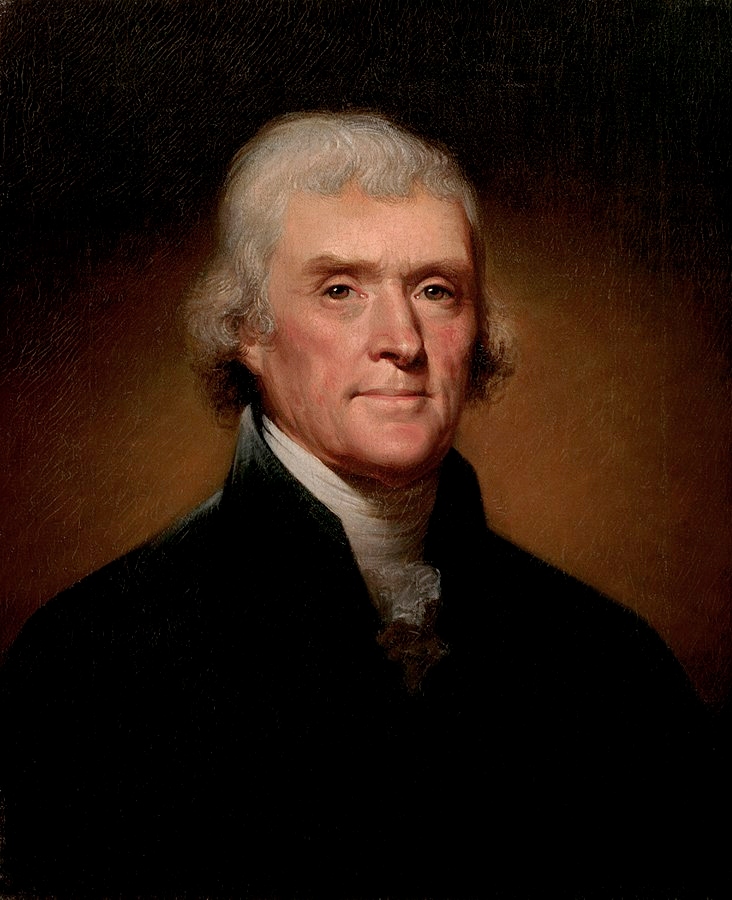
Hamilton envisioned a strong national government capable of directing the nation’s economic future. He admired Britain’s financial system and believed prosperity required a national bank, public credit, and close ties between government and commerce. Jefferson saw the same policies as a betrayal of the Revolution. He imagined America as a republic of independent farmers whose liberty depended upon limiting centralized power. To Jefferson, Hamilton’s plans smelled dangerously of monarchy and aristocracy.
The disagreement quickly became personal.
Hamilton privately described Jefferson as weak, naïve, and dangerously sympathetic to radical democracy. Jefferson considered Hamilton an ambitious schemer who secretly desired to crown an American king. Neither man trusted the other’s motives. Their correspondence and private conversations grew increasingly venomous, forcing President George Washington to spend countless hours trying to mediate disputes within his own cabinet.
The political battle soon spilled into the newspapers.
Unlike modern journalism’s aspiration toward neutrality, many newspapers of the 1790s functioned as openly partisan weapons. Editors often received financial support from political allies and devoted their pages to attacking opponents with extraordinary language. Hamilton was accused of corruption, monarchism, and secret plots against liberty. Jefferson was branded an atheist, a Jacobin, and an accomplice of the bloody excesses of the French Revolution.
Rumors became political currency. Anonymous pamphlets circulated freely. Personal scandals were amplified. Every disagreement became evidence of treasonous intent.
Foreign affairs poured gasoline onto the fire.
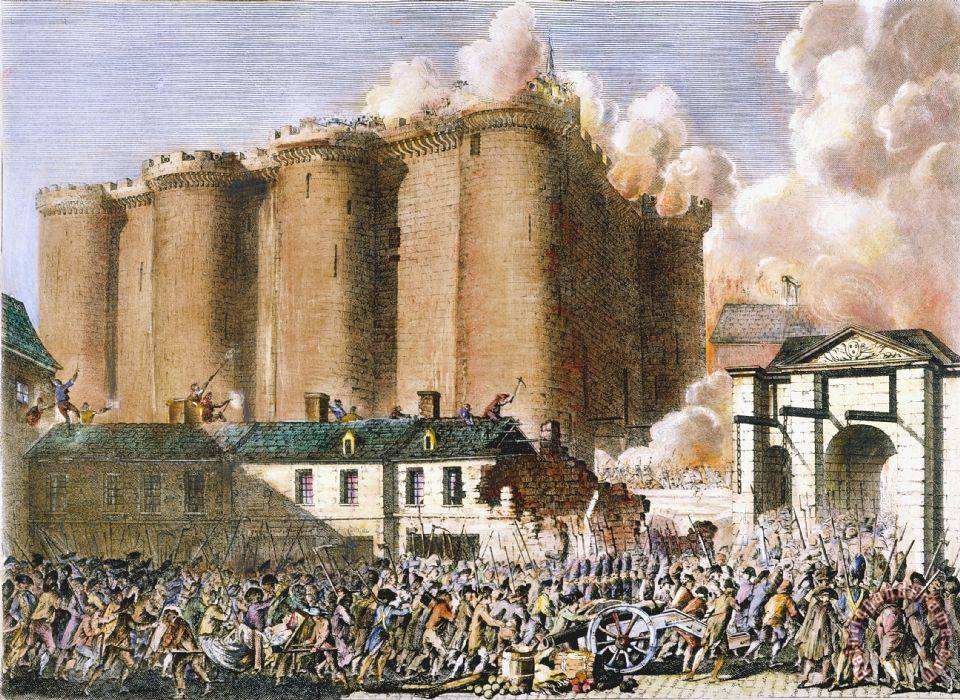
When the French Revolution erupted in 1789, Americans initially celebrated it as a continuation of their own struggle for liberty. But as the revolution descended into the Reign of Terror, public opinion fractured. Jefferson and his supporters largely continued to sympathize with France, believing its excesses were unfortunate but understandable growing pains of republican government.
Hamilton and the Federalists recoiled in horror. To them, France represented mob rule, anti-religious fanaticism, and political chaos. Britain, despite having been America’s former enemy, now appeared to offer stability and commercial opportunity.
Suddenly, every diplomatic decision became a domestic political battle.
When the Washington administration negotiated the 1794 Jay Treaty with Britain, Federalists hailed it as essential for peace and economic prosperity. Jeffersonians denounced it as surrender. Public meetings erupted in protest. Copies of the treaty were burned. Effigies of negotiators were hanged in town squares. Washington himself—perhaps the most universally respected American alive—found himself denounced by former supporters.
Even Washington’s immense prestige could no longer calm the growing divisions.
The election of 1796 intensified matters further. For the first time, Americans witnessed a genuinely contested presidential election. John Adams became president while Jefferson, under the original constitutional system, became vice president despite belonging to the opposing political party. The nation’s two highest executive officers distrusted one another profoundly.
The result was constant dysfunction.
Meanwhile, Hamilton continued attempting to shape Federalist policy from behind the scenes, often undermining Adams himself. Although Hamilton and Adams nominally belonged to the same political party, mutual suspicion and wounded egos created almost as much conflict within Federalist ranks as existed between Federalists and Republicans.
Then came the international crisis that pushed partisan conflict toward hysteria.
In 1797, French officials demanded bribes before negotiating with American diplomats, an affair that became known as the XYZ Affair. News of the insult ignited an explosion of anti-French sentiment. Calls for war swept across the country.
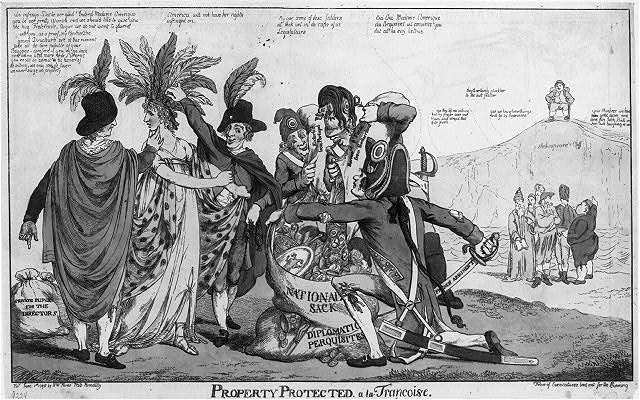
Federalists seized the moment.
Claiming that foreign agents and domestic radicals threatened the republic, they passed the Alien and Sedition Acts in 1798. These laws expanded presidential authority to deport foreigners and made it a crime to publish “false, scandalous, and malicious” criticism of the federal government.
Republicans were outraged.
To Jefferson and James Madison, the legislation represented one of the greatest betrayals of constitutional liberty since independence. Newspaper editors were arrested. Political opponents faced prosecution. Free speech itself appeared to be under assault.
Jefferson secretly drafted the Kentucky Resolutions while Madison authored the Virginia Resolutions, arguing that states possessed the authority to declare unconstitutional federal laws void within their borders. Though controversial and largely symbolic at the time, these documents introduced constitutional arguments that would echo through American politics for generations.
By the close of the decade, the bitterness had become almost unimaginable.
Federalists sincerely believed Jefferson’s election would unleash anarchy, atheism, and violent revolution. Republicans believed Federalists intended to destroy republican government and replace it with an American monarchy.
Families divided over politics. Churches argued over elections. Newspapers portrayed every contest as a struggle for the nation’s very existence. Political compromise became increasingly difficult because opponents were no longer viewed as merely mistaken—they were portrayed as enemies of the republic itself.
Yet amid all the rancor, something remarkable occurred.
The election of 1800, despite its extraordinary bitterness, concluded with the peaceful transfer of presidential power from John Adams to Thomas Jefferson. No army intervened. No states seceded. No revolution erupted. Americans demonstrated that fierce political disagreement could coexist with constitutional order.
The decade had revealed the republic’s deepest vulnerabilities: faction, ambition, and personal rivalry. But it also revealed an unexpected strength. America’s leaders had survived a political war without resorting to civil war. Their example established a precedent that would become one of the defining characteristics of the American constitutional experiment: governments could change through ballots rather than bullets, even after years of partisan bickering, backstabbing, and bitter escalation.