One of my favorite parts of studying history is learning the facts behind traditions, the truth beyond our assumptions. History is not merely a record of what nations have done. For Christians like me, it is also a mirror that reveals whether we have been faithful to God’s standards rather than to our own traditions. As we commemorate July 4th this weekend, we are reminded that the anniversary of America’s independence often serves a dual purpose, celebrating our assumptions while also reminding us of the truth – if we care to inquire.
The Assumptions of History
For example, the Declaration of Independence was not recognized as especially significant when it was first drafted and then published on July 4, 1776. The task of writing the document was assigned to Thomas Jefferson after the issue had already been debated and settled, with John Adams at the helm. Adams and many of the founding fathers considered the written declaration secondary to the more important debates and decisions of the Congress that preceded it.
Even after the Declaration was published, most American colonists honored the list of grievances that forms its main content. This part is scarcely remembered today. It wasn’t until approximately 1826, fifty years later, that Americans began to accord special reverence to the Declaration of Independence’s preamble.

By this time, at celebrations across the young but growing American nation, people began reading the Preamble at local July 4th festivities in honor of America’s founding. As Pauline Maier writes in her book, American Scripture, the Declaration of Independence was elevated to a sacred status among Americans, and Thomas Jefferson and the revolutionary generation were revered as its prophets.
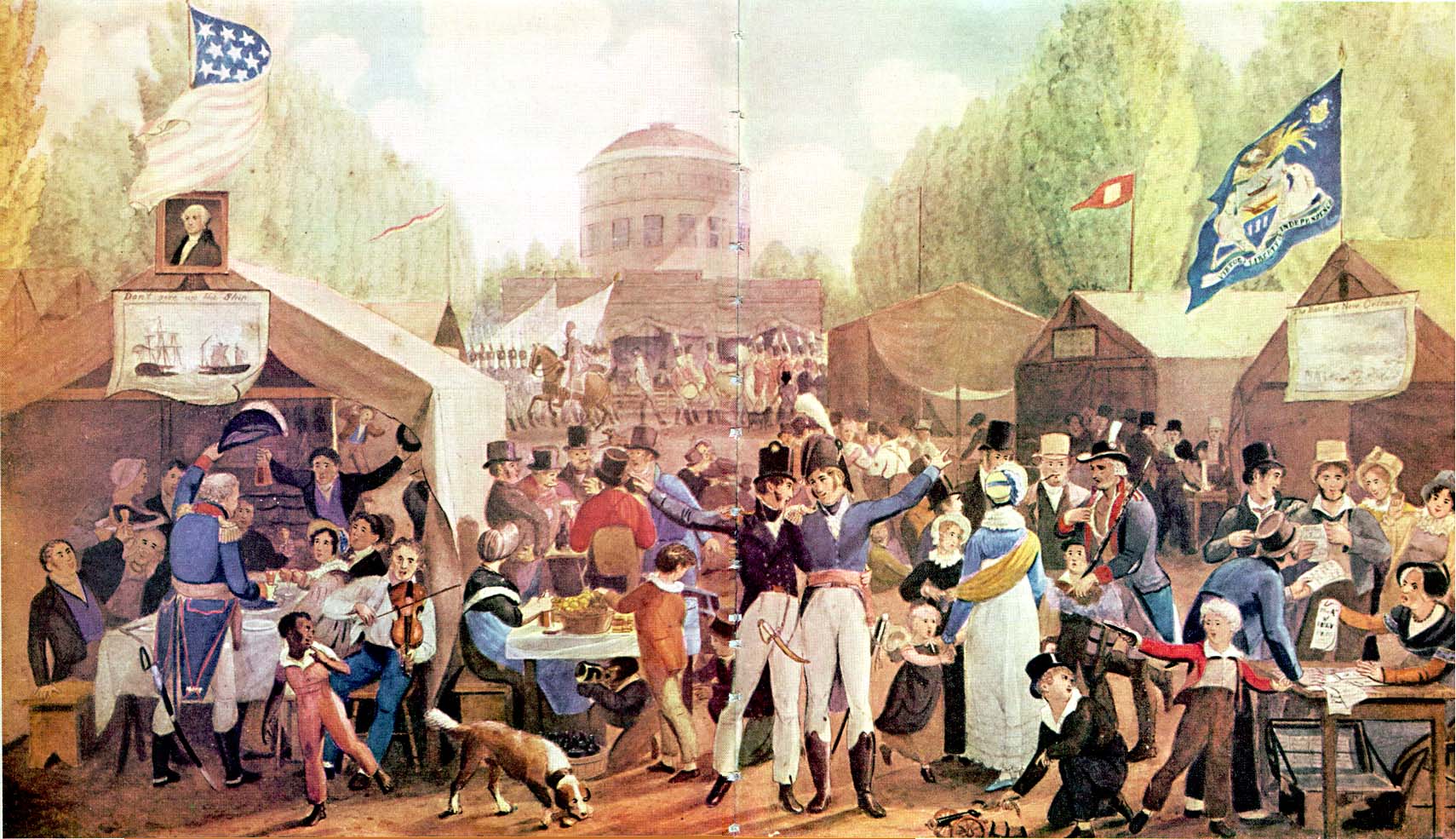
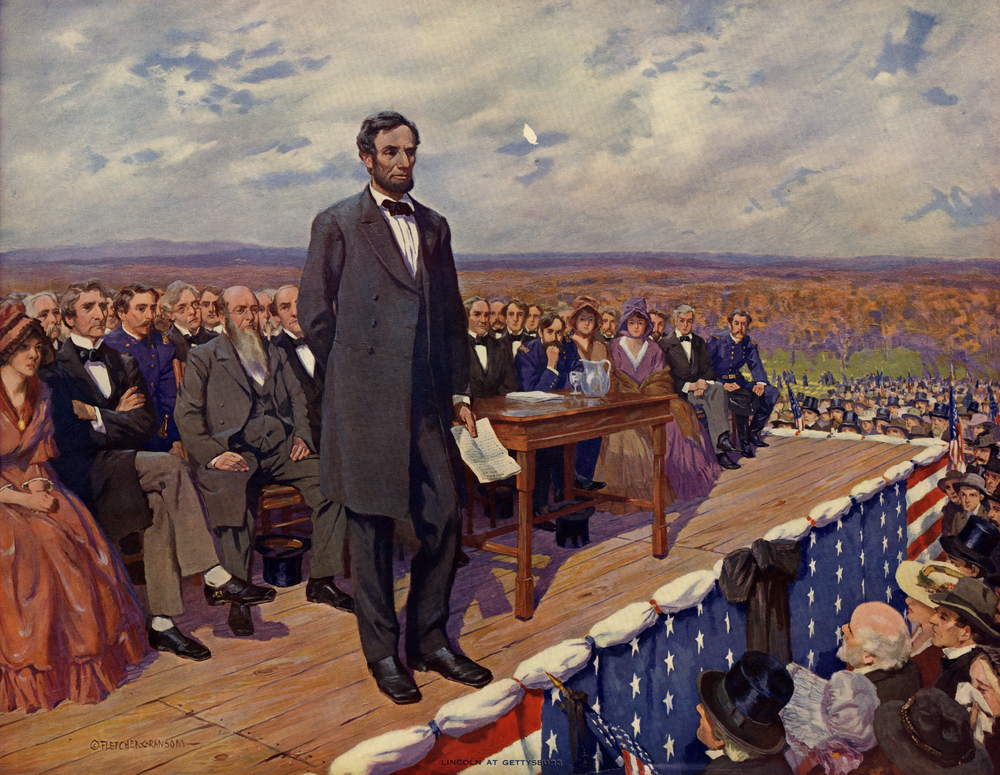
Such traditions continued to shift and evolve over time, all the way to the present. The Declaration of Independence, even more than the Constitution, became the origin point of America’s founding. The Declaration holds no authority in America’s governing system. It is never cited in law or court cases as the Constitution is, but it represents the moral foundation of the United States. That moral groundwork was enhanced and redefined during the Civil War by Lincoln’s Gettysburg Address, in which the revolutionary phrase and ethos that all men are created equal gained new significance as the moral substance of the American ideal. (By historic coincidence, the Battle of Gettysburg ended the day before Independence Day in 1863.)
Looking backward, it is easy to imagine America steadily moving toward its ideals. Yet that perspective obscures the suffering of those forced to live in the long tension between principle and practice.
The Truth of History
Few exposed that tension more powerfully than the abolitionist Frederick Douglass. On another Independence Day, this one in 1852, he reminded Americans of that reality in a famous speech delivered at Corinthian Hall in his adopted hometown of Rochester, New York.
Born into slavery in Maryland, Douglass is believed to have been the son of his mother’s slave master. He escaped captivity in 1838 at age 20. Over the following years, he became a prominent leader in the abolition movement. Self-educated, his writing and speeches made him a major voice in the 19th century, with his compelling speeches and autobiography exposing slavery’s brutality with strong moral conviction. Douglass urged the country to uphold its founding principles, asserting that freedom should belong to all people, regardless of race. As a former slave who endured the systemic hypocrisy of American slavery, Douglass was fearless in confronting audiences with the harsh realities of racial suffering.
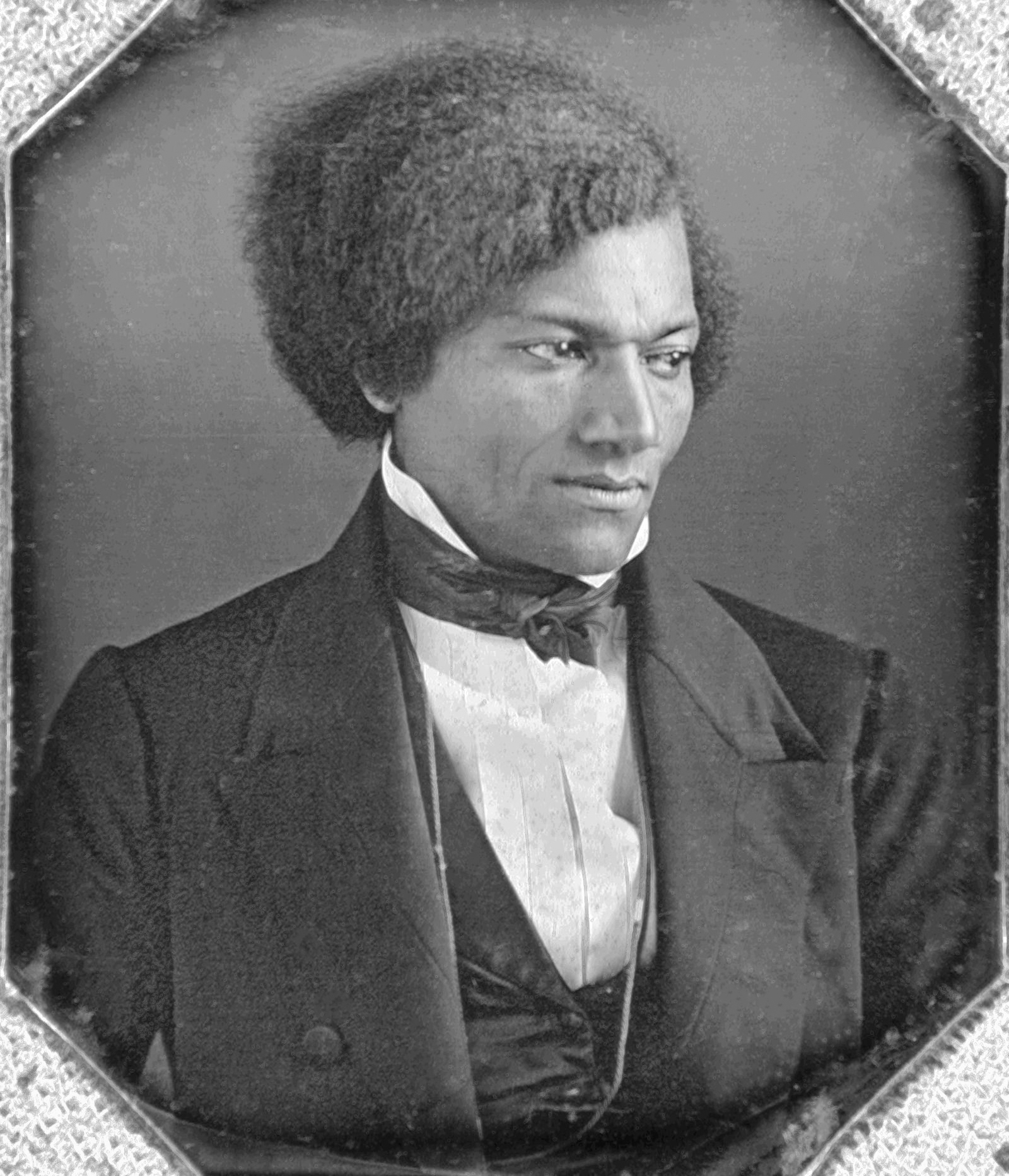
Although seldom quoted or remembered today, his 1852 oration, What to the Slave is the 4th of July, was among the most powerful and provocative American speeches of the 19th century. Speaking before a largely white audience in Rochester, New York, Douglass masterfully praised the nation’s founding ideals before exposing the devastating hypocrisy of celebrating liberty while millions remained enslaved. His soaring rhetoric, biblical imagery, and relentless moral logic left listeners with an unavoidable challenge: America could not claim to be the land of freedom while tolerating slavery. The oration became a defining statement of the abolitionist movement, helping awaken the nation’s conscience and shaping the moral arguments that ultimately led to emancipation.
“What, to the American slave, is your 4th of July? I answer: a day that reveals to him, more than all other days in the year, the gross injustice and cruelty to which he is the constant victim. To him, your celebration is a sham; your boasted liberty, an unholy license; your national greatness, swelling vanity; your sounds of rejoicing are empty and heartless; your denunciations of tyrants, brass fronted impudence; your shouts of liberty and equality, hollow mockery; your prayers and hymns, your sermons and thanksgivings, with all your religious parade, and solemnity, are, to him, mere bombast, fraud, deception, impiety, and hypocrisy—a thin veil to cover up crimes which would disgrace a nation ofsavages. There is not a nation on the earth guilty of practices, more shocking and bloody, than are the people of these United States, at this very hour. Go where you may, search where you will, roam through all the monarchies and despotisms of the old world, travel through South America, search out every abuse, and when you have found the last, lay your facts by the side of the every day practices of this nation, and you will say with me, that, for revolting barbarity and shameless hypocrisy, America reigns without a rival . . .”
Imagine the intensity, the courage, and the audacity of this former slave speaking such words. This was a man raised under the lash of slavery. He was the fruit of a slave master’s violation of his mother. His formative years were shaped by the daily realities of slavery, including violence, oppression, separation from family members, and the prohibition of education. And yet here he was!
In one of my favorite biographies, Frederick Douglass: Prophet of Freedom, author David W. Blight explains that Douglass was also a committed believer. He learned to read by studying the Bible. He was trained in public speaking by watching black ministers. His speeches in the years that followed were saturated with biblical imagery, values, and a prophetically moral worldview.
Significantly, Douglass never withheld the force of his mighty rhetoric from his fellow believers, white or black. He saw the church as the guardian of truth, liberty, and righteousness – or, as Jesus described us, as “the salt of the earth, the light of the world.” In the same July 4th speech, he specifically struck at the wicked blindness of Christian America:
“. . . Let this damning fact be perpetually told . . . that, in tyrant—killing, king—hating, people—loving, democratic, Christian America, the seats of justice are filled with judges, who hold their offices under an open and palpable bribe . . . I take this law to be one of the grossest infringements of Christian Liberty, and, if the churches and ministers of our country were not stupidly blind, or most wickedly indifferent, they, too, would so regard it . . . they are utterly silent in respect to a law which robs religion of its chief significance, and makes it utterly worthless to a world lying in wickedness . . .”
In later years and decades, Douglass would go on to advise future presidents. He recruited black soldiers during the Civil War. He championed emancipation and equal rights, and he continued fighting for justice long after slavery ended. But his key role in shaping the American conscience was not merely in his political activism. It was in his ability to translate the moral truth and righteousness of his beloved scripture into sound political action. Americans eventually came to revere the Declaration almost as sacred scripture. Douglass admired it deeply, but he never confused it with Scripture itself. Whenever the two appeared to conflict, he appealed to a higher authority—the Word of God.
Believers Living at the End of History
This is one of the reasons I love the story and speeches of Frederick Douglass. As a believer, I find them resonate in my heart and conscience, stirring me to remember that even on this 250th Independence Day, when our nation is polarized by extremists on the left and right of the political spectrum, there is a higher reality that ought to govern our worldview. It is not merely political but values-based and rooted in the righteous standards of God’s Word and character.
True faith shines as a light in the darkness, even when the political world around us has grown accustomed to the shadows. Sometimes God calls the faithful to confront the darkness with words; more often, with our lifestyles.
This Independence Day, celebrate your country with gratitude. But remember that our highest citizenship is not ultimately American. It is the Kingdom of God. Nations rise and fall; God’s standards do not. Our calling is not merely to defend America’s ideals but to embody Christ’s righteousness before a watching world.