
The story of American independence is often remembered as a clean break—an inevitable march toward liberty guided by visionary founders. This episode peels back that mythology and returns to the messy, uncertain world in which the revolution actually took shape. As tensions between Britain and the colonies deepen, listeners step into a moment when most Americans weren’t calling for independence at all, and when the political machinery that would eventually lead to revolution was still being improvised in real time. The delegates of the First Continental Congress were “quite literally making it up as they went along,” arriving in Philadelphia unsure of how to vote, how to lead, or how far they were willing to go.
What emerges in this podcast episode is a portrait of a society in upheaval—one where boycotts, committees, and grassroots pressure campaigns began reshaping everyday life long before shots were fired. The episode explores how the Continental Association transformed local politics, enforcing unity through social pressure and, at times, intimidation. As one historian explains, committees “inviting everyone to spy on their neighbors…ferreted out, seized and burned stashes of tea and conservative books”. These early experiments in collective action reveal a revolution already underway in the hearts and habits of ordinary people.
Alongside this social transformation, the episode traces the rise of new voices and new ideas—most notably the arrival of Thomas Paine, whose plainspoken moral clarity helped shift the public imagination toward a future no longer tied to the British crown. His writing became “a revolutionary lightning bolt—clear, fierce, and impossible to ignore”.
Rather than retelling familiar legends, this episode invites listeners to reconsider the birth of American independence as it truly unfolded: conflicted, improvised, and filled with contradictions that still echo today.
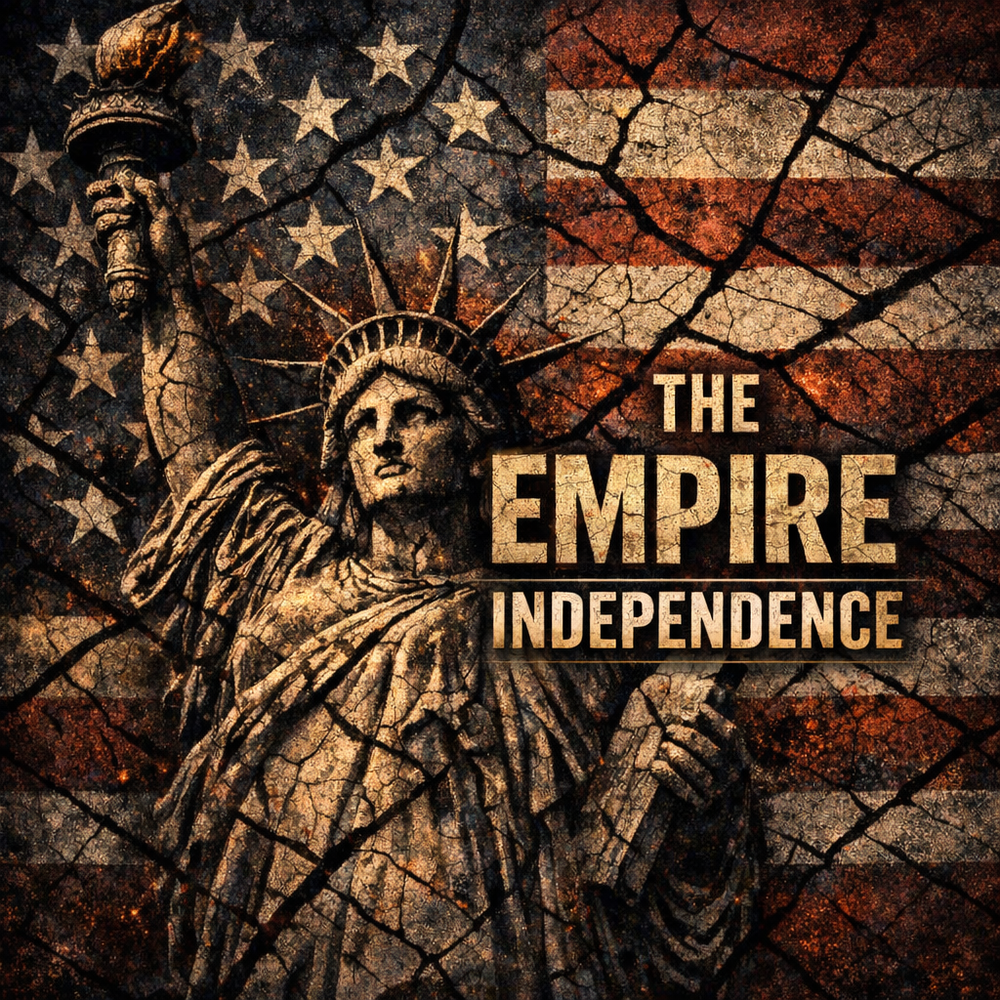


[…] Independence – As Boston comes under British occupation, the men who would become the founding fathers finally declare independence. […]
Comments are closed.