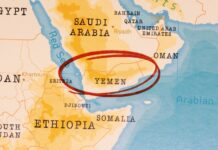
What happened: NATO’s top military commander has convened allied chiefs of defense to coordinate possible national contributions to protecting freedom of navigation through the Strait of Hormuz. NATO stressed that this would not be an alliance mission, but its military headquarters is now actively helping interested member states assess what forces they could contribute. (Reuters)
Why it matters: NATO countries had deliberately tried to stay militarily outside the Iran conflict. The fact that NATO’s supreme command is now bringing allied defense chiefs together marks a significant movement toward organized European military involvement around the war’s most dangerous maritime flashpoint. Britain and France are already leading efforts to assemble roughly a dozen countries into a separate coalition that could eventually escort or protect commercial shipping. (Reuters)
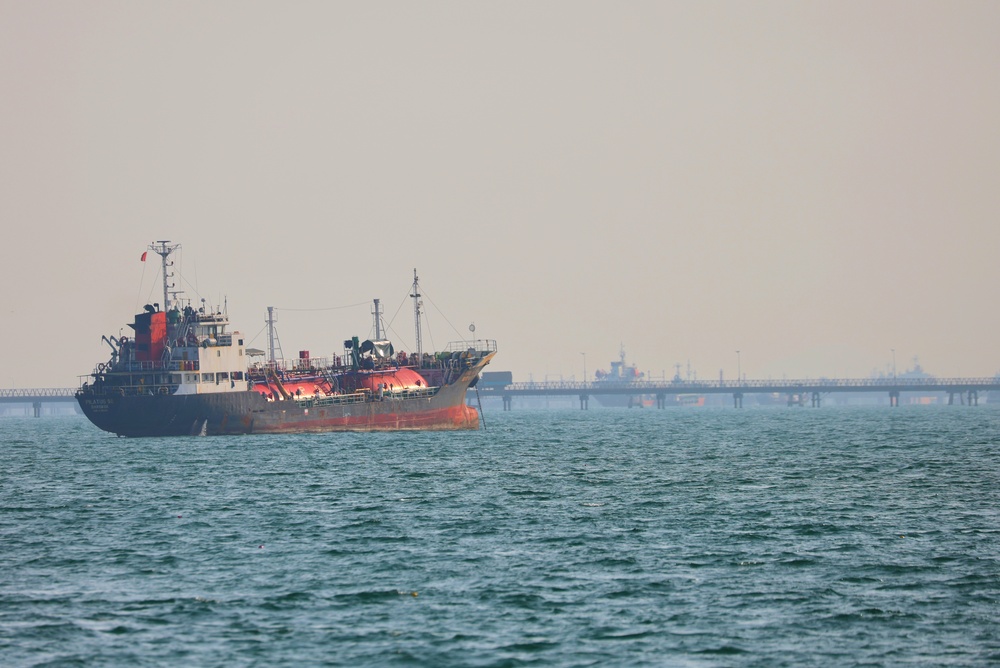
Hormuz remains extraordinarily constrained: Reuters reported that just four commodity vessels crossed on Thursday, with no large crude-oil or LNG tankers among them, compared with vastly heavier prewar traffic. Iran continues to threaten unauthorized shipping while the United States maintains its blockade. (Reuters)
What changed: European governments have discussed a Hormuz mission before. The new development is that planning has advanced to the chief-of-defense level under NATO military coordination, even while governments are carefully keeping any eventual operation formally outside NATO. That creates a clearer pathway for additional Western militaries to enter the theater—and therefore a new potential route for the Iran conflict to widen. (Reuters)